








Short answer: sometimes, but only if the watt-hour rating fits airline lithium-battery rules. Current IATA passenger guidance says lithium batteries up to 100Wh are generally allowed in carry-on baggage, 100Wh to 160Wh may need airline approval, and over 160Wh is usually not permitted on passenger aircraft. Always check the airline before you fly, because airlines and countries can apply stricter rules.
This is a capacity question, not a brand question. A power station that is excellent for camping may be too large for air travel. The number to check is watt-hours, written as Wh on the product label or specification page.
The 100Wh and 160Wh rule in plain English
EASA's lithium-battery passenger-safety recommendations and official airline baggage guidance use the same broad capacity logic: up to 100Wh, over 100Wh to 160Wh with operator approval, and over 160Wh normally not accepted for passenger baggage. The UK Civil Aviation Authority baggage advice and the FAA PackSafe lithium battery page give practical carry-on guidance, which is useful for readers comparing airline rules before an international trip.
| Battery rating | Typical passenger rule | What to do before travel |
|---|---|---|
| Up to 100Wh | Generally allowed in carry-on baggage | Keep terminals protected and confirm airline policy |
| Over 100Wh to 160Wh | May be allowed only with airline approval | Contact the airline before travel and keep written approval |
| Over 160Wh | Usually not permitted on passenger aircraft | Use car, train, ferry, or cargo arrangements instead |
How to calculate watt-hours
If the product label gives Wh, use that number. If it gives amp-hours and voltage, use this formula:
Watt-hours = volts x amp-hours.
Do not guess at the airport. If airport staff cannot verify the watt-hour rating, the item can be refused even if the battery is technically within the limit.
FlashFish product fit for air travel
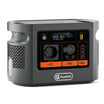
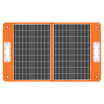
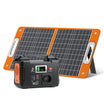
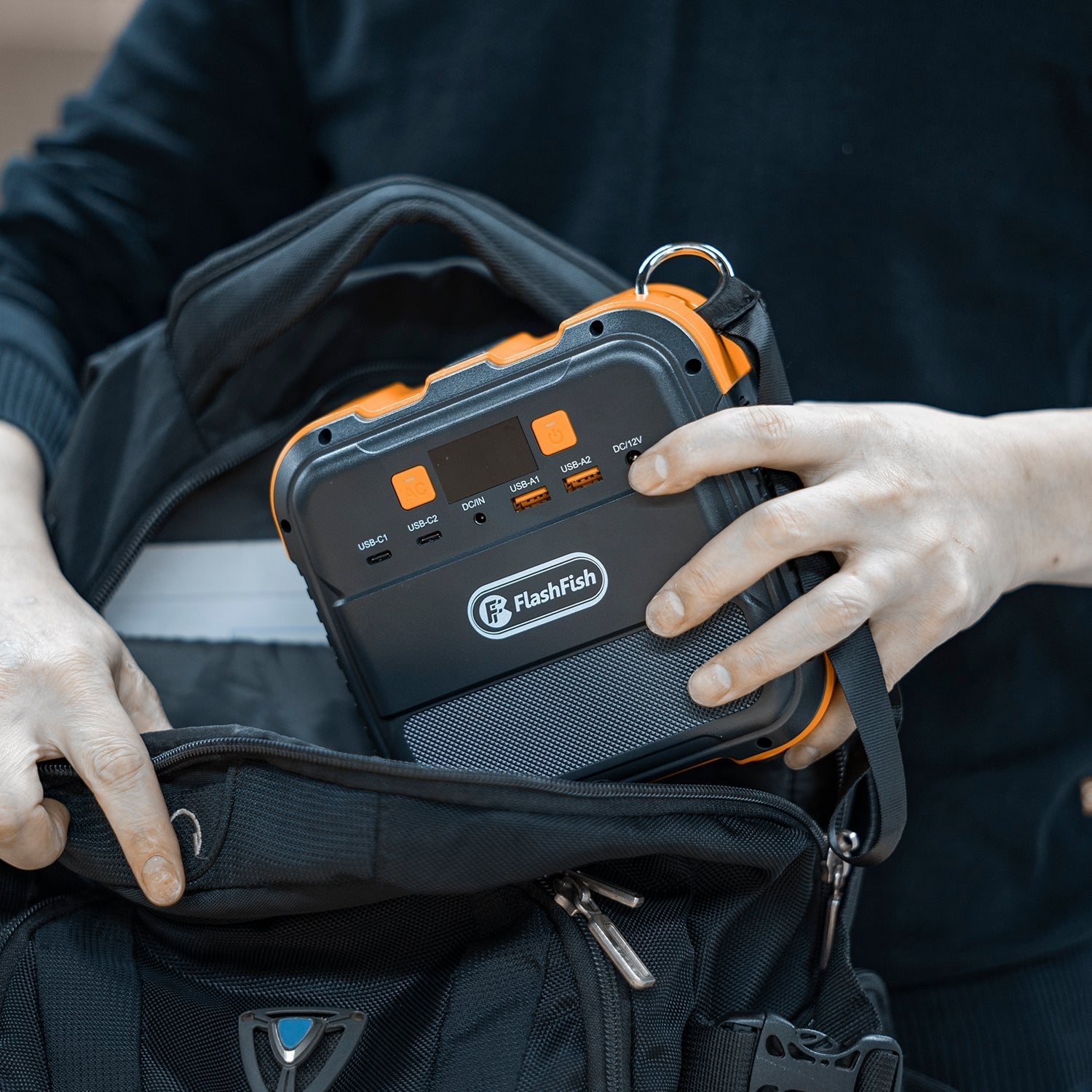
The FlashFish A101 Mini Portable Power Station is the FlashFish EU model that naturally fits this travel question because it is listed as 98Wh. That places it in the under-100Wh planning band, but the airline still has the final say. Pack it in hand baggage, protect it from accidental activation, and check whether your airline has extra power-bank limits.
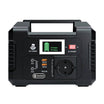
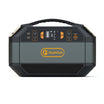
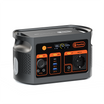
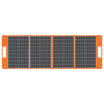
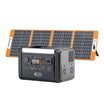
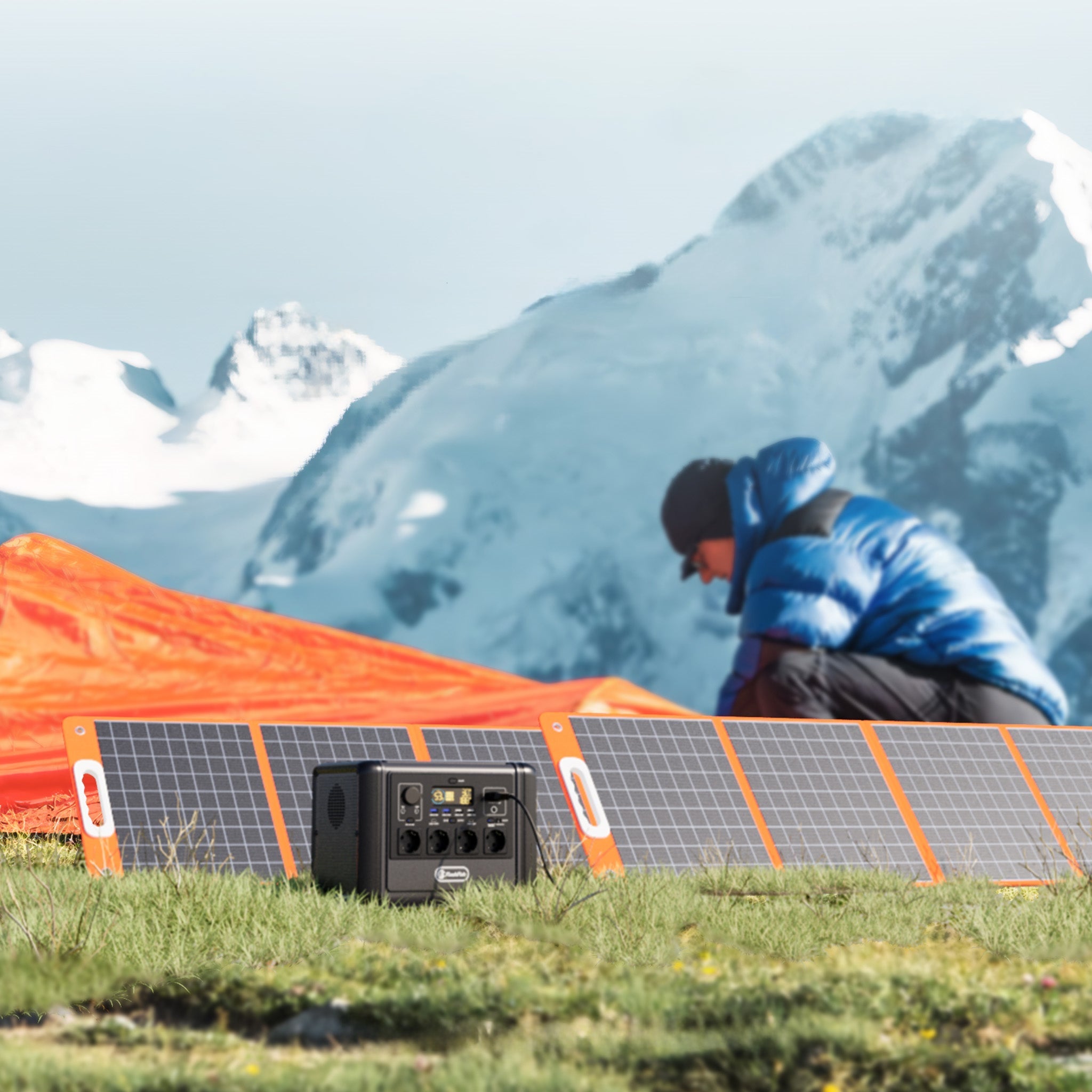
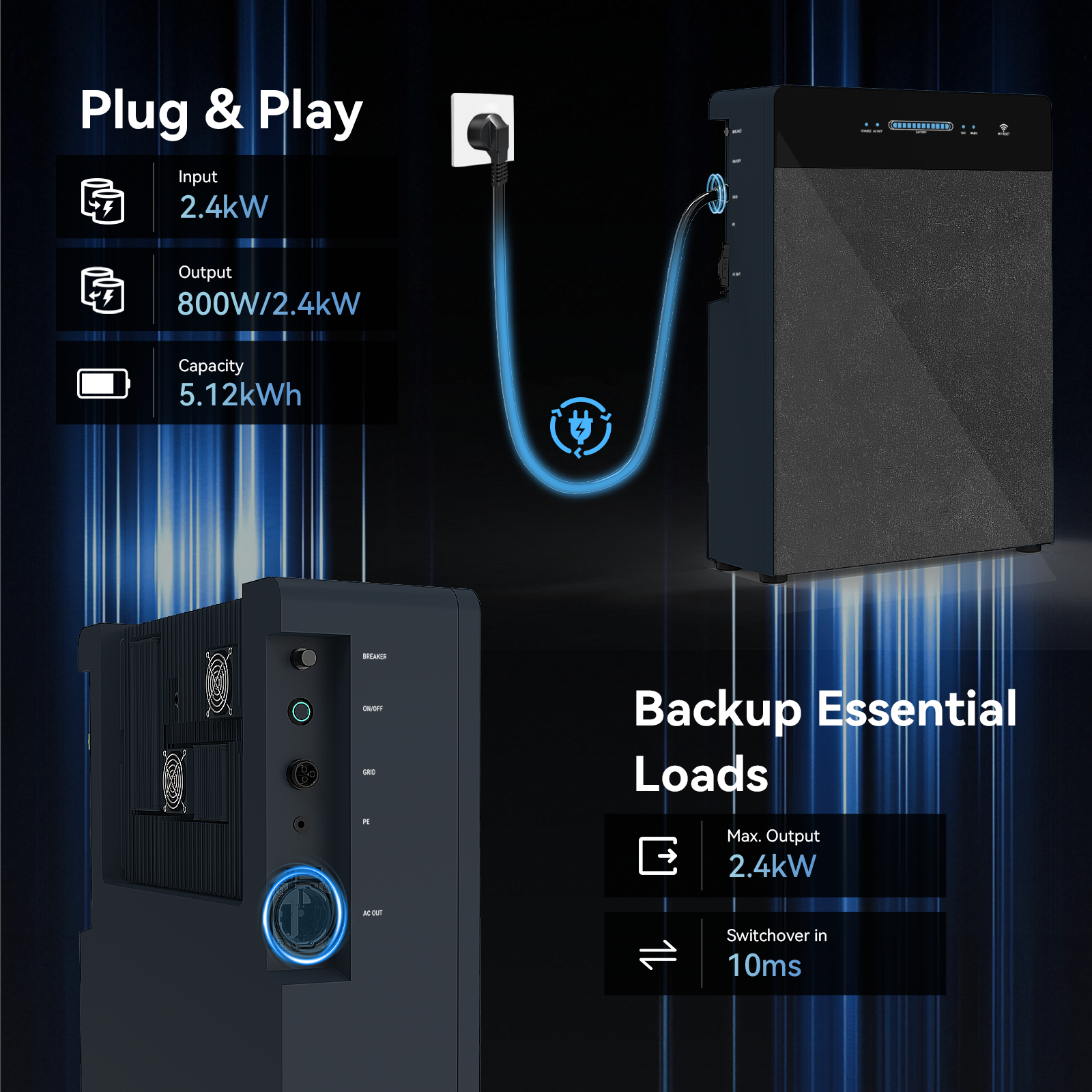
Do not assume larger portable power stations are flight-friendly. Models such as 151Wh, 288Wh, 520Wh, or larger LFP stations are better for car camping, trains, vans, home backup, and solar generator kits. Browse the portable power stations collection for those use cases, not for carry-on flight planning.
Airport checklist
- Check the Wh rating before booking or packing.
- Carry the power station in cabin baggage, not checked baggage, unless your airline explicitly says otherwise.
- Protect ports and switches from accidental activation.
- Keep the product page or manual available in case staff ask for the Wh rating.
- Ask the airline before flying with any battery over 100Wh.
- Do not use or charge the unit onboard unless the airline permits it.
FAQ
Is a 98Wh portable power station allowed on a plane?
It is generally within the under-100Wh lithium battery band, but the airline decides. Check the airline's policy before travel and keep it in carry-on baggage.
Can I put a portable power station in checked luggage?
Power banks and spare lithium batteries should be carried in hand baggage. If a gate-checked bag goes into the hold, remove lithium batteries and power banks first.
Can I fly with a 500Wh power station?
No for normal passenger baggage. A 500Wh power station is above the usual 160Wh passenger limit and should be treated as a car, train, ferry, or cargo-planning item instead.



Leave a comment
Este site está protegido pela Política de privacidade da hCaptcha e da hCaptcha e aplicam-se os Termos de serviço das mesmas.