








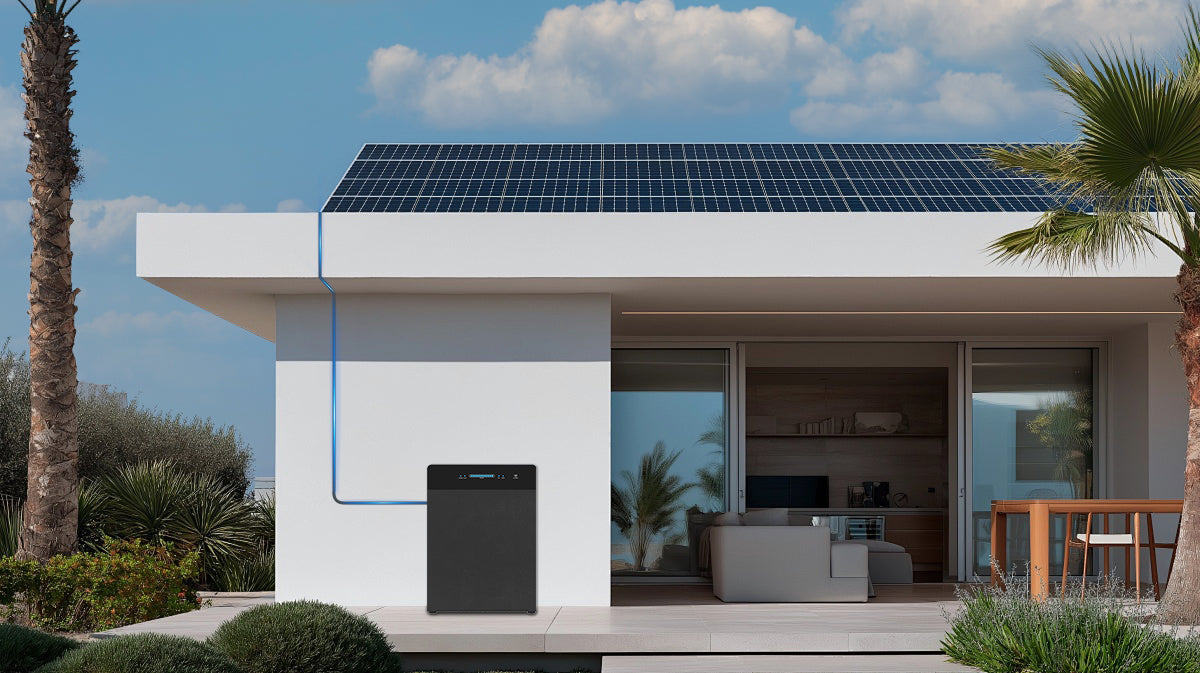
Short answer: choose a portable power station when you need movable power for selected evening loads such as lights, router, laptop charging or a small work area. Consider fixed balcony storage only when building permission, placement, grounding, service access and local-rule review are already part of the plan.
Evening-load planning is not just a capacity comparison. It is a category decision: movable battery first, or fixed storage system first.
The category split
| Planning question | Portable power station | Fixed balcony battery |
|---|---|---|
| Main purpose | Movable selected-load backup, camping, garage, van or room-to-room use. | Stored solar energy for a more planned balcony or building-connected setup. |
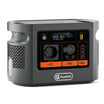
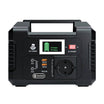
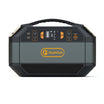
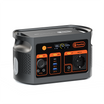
| FlashFish examples | T1200S and T2000. | SR5000. |
| First constraint | Device watts, output, capacity, weight and cable safety. | Permission, placement, grounding, qualified review and solar design. |
| Solar question | Can a compatible panel top up the station for your use pattern? | Can the installed PV and storage setup fit the building and rules? |
| Best evening-load mindset | Choose a few loads and keep them movable. | Plan a fixed storage workflow with professional review. |
FlashFish fit rules
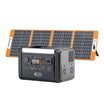
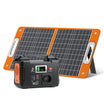
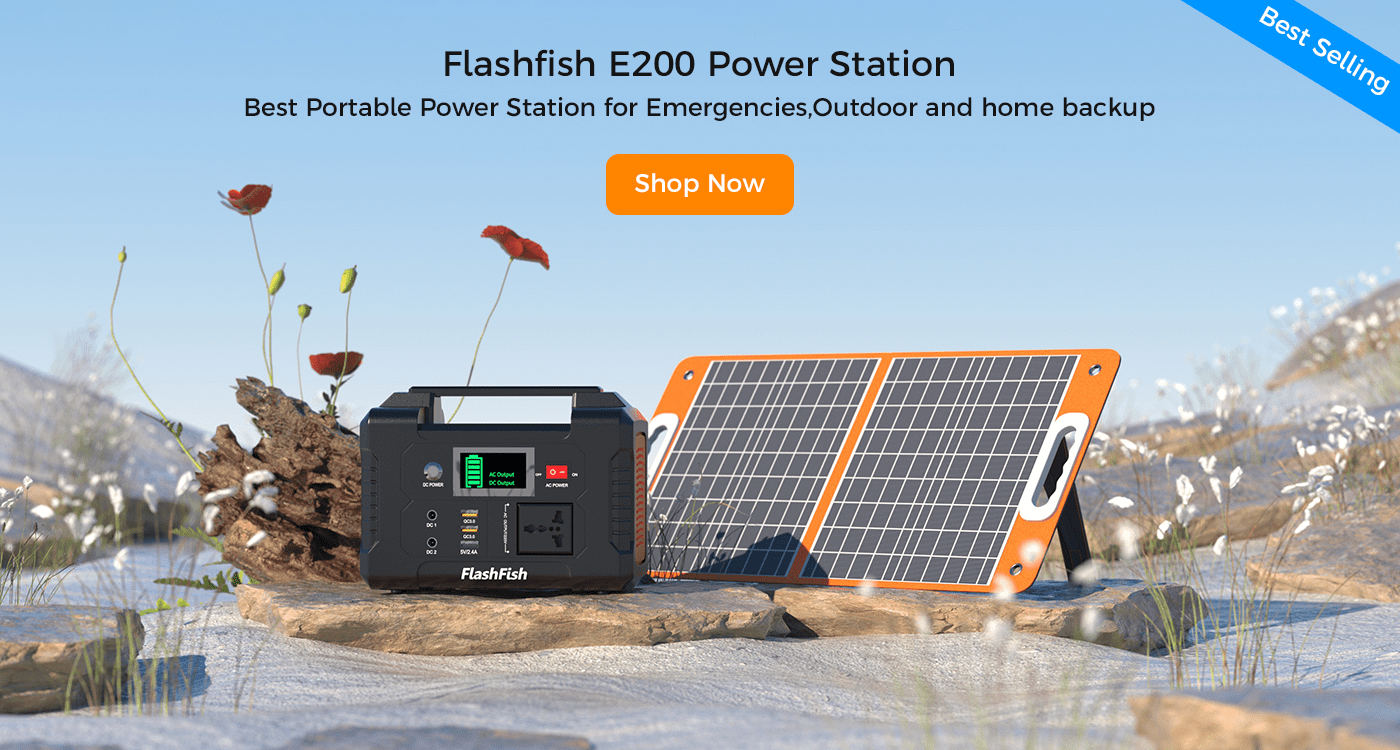
The product-source bundle lists T1200S as 768Wh, 1200W continuous AC and 12.45kg, and T2000 as 1536Wh, 2000W continuous AC and 19.2kg. Those facts make them natural portable-station examples when the buyer wants power that can move between a room, car, camp table, garage bench or temporary backup area.
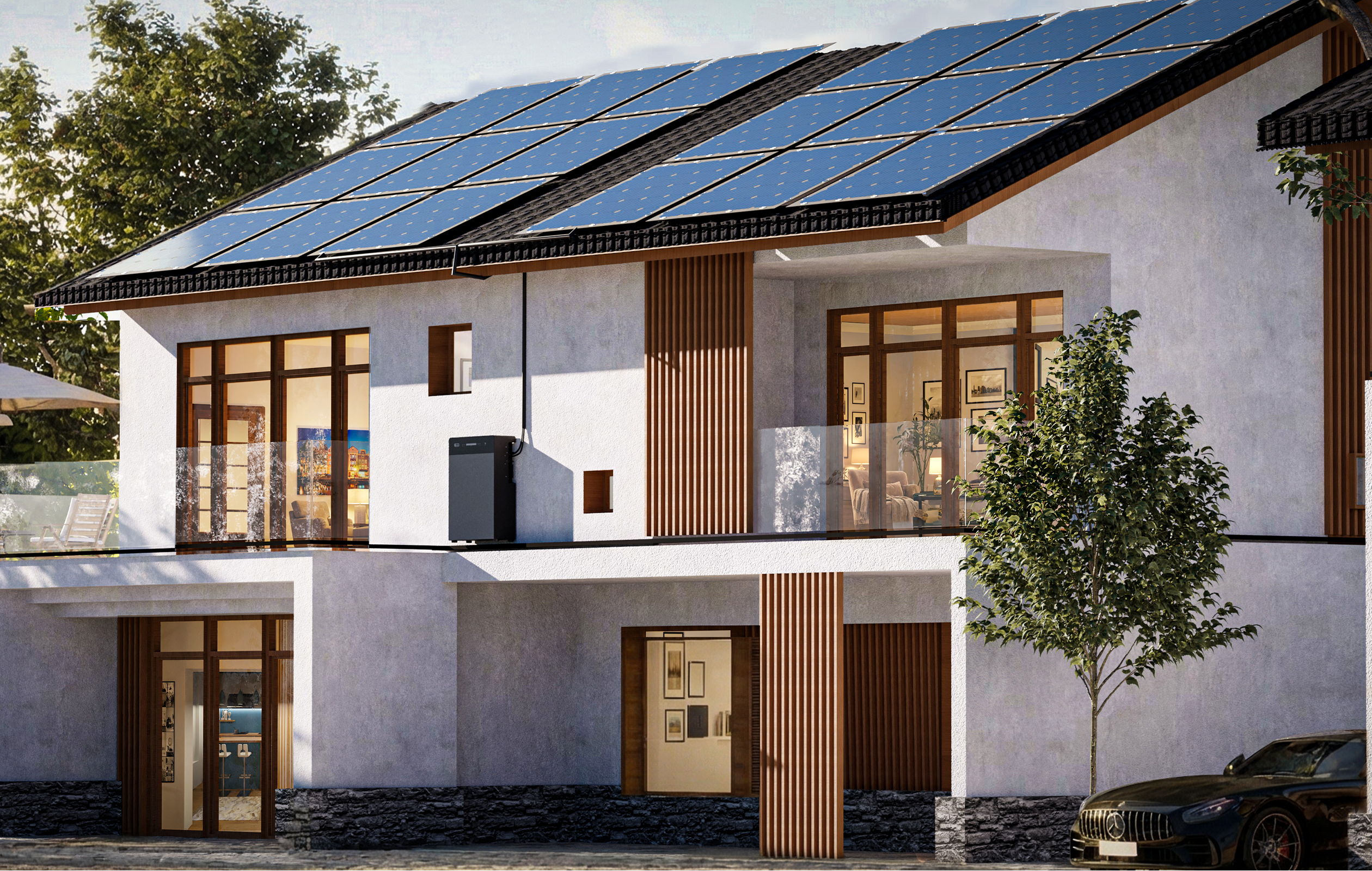
The same bundle lists SR5000 as 5120Wh LiFePO4 balcony/home storage with 2400W rated off-grid AC output, 59kg weight, grounding requirements, qualified-technician installation and maintenance boundaries, and clearance notes. Those facts put it in a different decision category.
The evening-load worksheet
- Name the evening window. Is this after-work laptop use, lights and router, a garage bench, or a solar self-consumption plan?
- List devices, not rooms. A room name hides the actual watts. Use device labels and adapter ratings.
- Decide movable or fixed. If you need to move the battery, choose a portable station category first.
- Check permission early. If the plan touches balcony PV, fixed storage, cabling or building rules, do not leave permission until the end.
- Respect solar variability. JRC PVGIS exists because solar output changes with location, season, angle, shade, temperature and losses.
- Keep service access visible. Fixed storage should be planned so inspection, ventilation and maintenance are practical.
When T1200S or T2000 is the better category
- You rent or move often and want a battery that can leave with you.
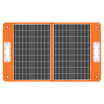
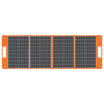
- The load list is selected and portable: router, lights, laptop, phones, camera chargers or a garage bench.
- You want camping and backup flexibility from one station.
- You are not ready to discuss building permission, fixed cabling or professional installation.
When SR5000 is the better category
- The home has a clear path for balcony or building-connected storage review.
- Placement can respect weight, grounding, weather exposure, ventilation and service access.
- The buyer is planning solar self-consumption rather than a carryable battery.
- The decision includes local rules, installer review and household energy behavior.
When neither category should be forced
- The buyer needs legal certainty from a product page alone.
- The load list depends on high-draw heating or cooking appliances without labelled-load review.
- The balcony cannot support safe placement, cable routing or maintenance access.
- The household expects exact solar output or bill outcomes before reviewing local data.
FAQ
Is a portable power station the same as a balcony battery?
No. A portable station is movable selected-load power. A balcony battery is a fixed storage-planning category with permission, placement and installation boundaries.
Which FlashFish model fits evening apartment loads?
For movable loads, compare T1200S and T2000 by device watts, capacity, output and weight. For fixed balcony storage, SR5000 belongs in a separate permission-and-placement review.
Should I buy SR5000 if I only need router and laptop backup?
Not as the first assumption. A movable station may be simpler for selected loads. SR5000 makes sense only when the fixed storage path is clear enough for proper review.
Can a portable station work with solar panels?
It can when the panel is compatible and the sunlight conditions make sense, but solar input varies by weather, angle, season and location. Do not plan on identical daily output.
Do balcony batteries work the same way everywhere in Europe?
No. Rules, building permission, metering, wiring and installer requirements vary. Check the local path before treating any fixed storage product as a fit.
Sources and review notes
- FlashFish product-source bundle, accessed 13 July 2026, for manual-derived T1200S, T2000 and SR5000 facts and boundaries.
- FlashFish Europe SR5000 product page, accessed 13 July 2026, for current storefront context.
- SolarPower Europe plug-in solar PV report press release, accessed 13 July 2026, for European plug-in PV and small-storage market context.
- European Commission JRC PVGIS, accessed 13 July 2026, for solar-resource variability context.
- European Commission Batteries, accessed 13 July 2026, for battery lifecycle and regulation context.



Lasă un comentariu
Acest site este protejat de hCaptcha și hCaptcha. Se aplică Politica de confidențialitate și Condițiile de furnizare a serviciului.