


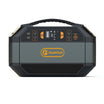

When two facilities teams combine their gear, inventory the E106B stations and the loose accessories before placing them in a common cupboard. Keep each item's original team and evidence of ownership or association. Put unidentified leads aside for follow-up before anyone checks out the equipment.
Identify the stations before merging the lists
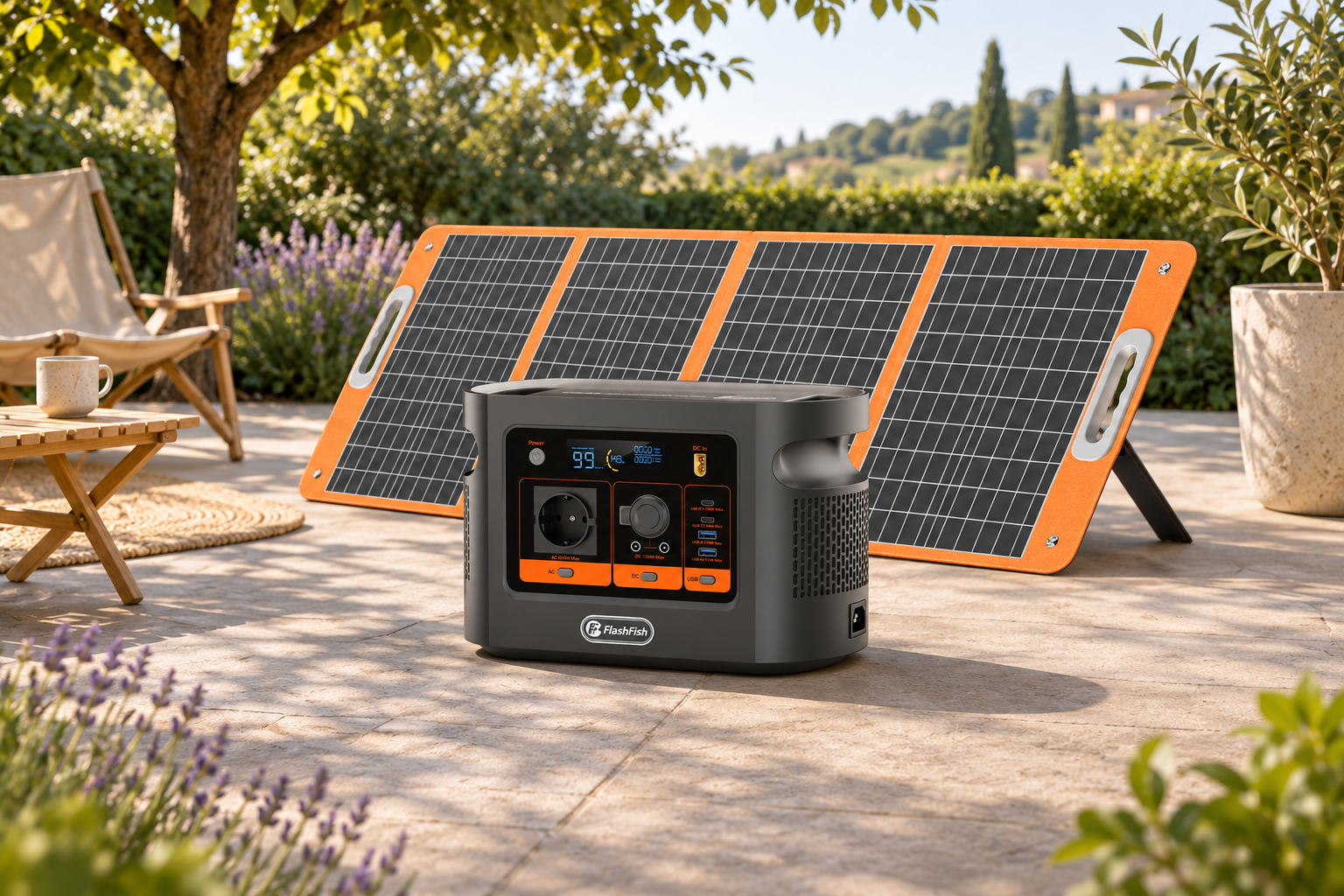
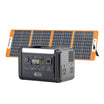
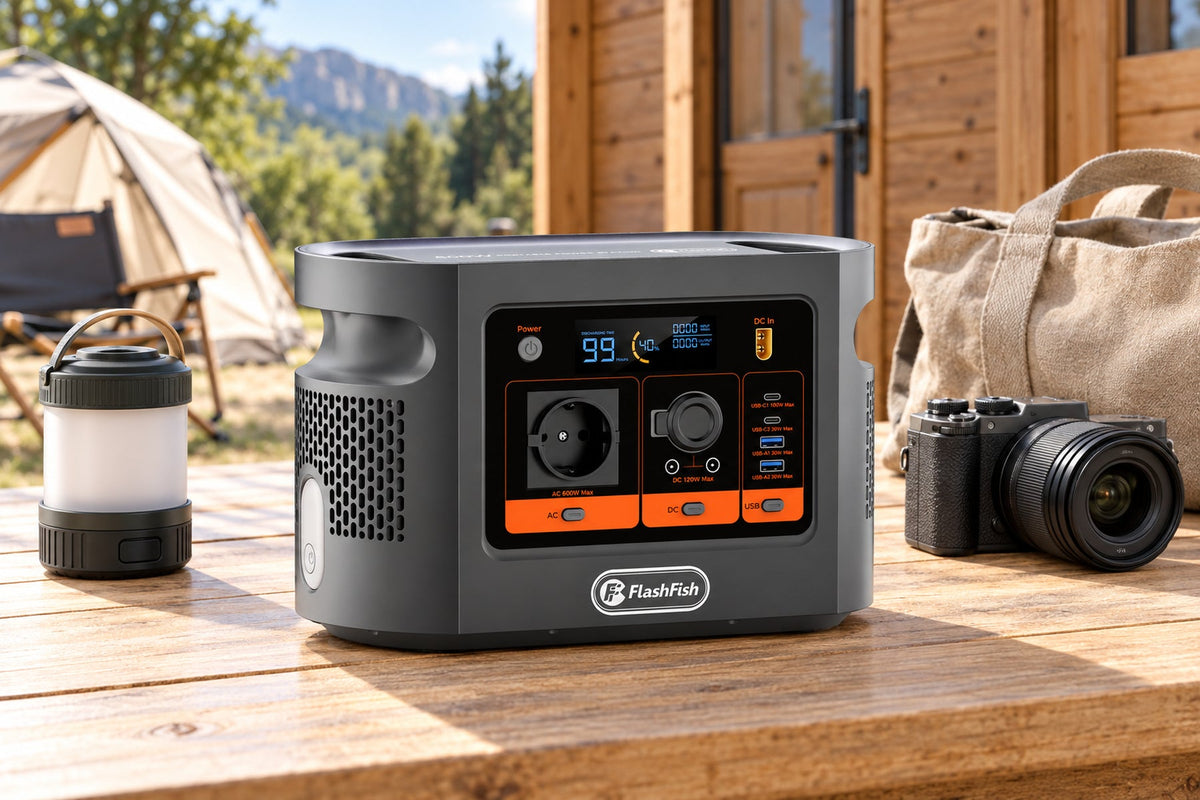
Give every physical station one entry under its new asset ID. Keep the old team and asset ID as searchable fields. Record the model and regional information exactly as shown on the label, plus the new location. If two lists both say “E106B,” compare the physical asset IDs before treating the entries as two units or a duplicate. For a model reference, open the EU E106B specifications and compare it with the label on the station.
Keep the accessory evidence with the item
| Item | Record | Handover decision |
|---|---|---|
| Station with a readable label | New and old asset IDs, original team, exact label and shelf location | Reconcile the physical unit to one inventory entry. |
| Lead with a documented association | Markings and the packing record or manufacturer reference that identifies it | Keep the evidence with the entry and check the applicable instructions before use. |
| Loose lead with no reliable identification | Original cupboard, visible markings and person assigned to follow up | Store apart from checkout stock while its identity is resolved. Do not plug it in to identify it. |
Before releasing anything for a job
Give the receiving team the existing equipment list for the job, including each device's label and its intended connection. Check that list against the station instructions, including the relevant continuous or shared limit, any documented startup demand, and cable and placement instructions. The model name and rated battery capacity alone cannot tell the team how long a job can run. Where interruption would affect an essential service, keep the site's approved supply or contingency in place while a setup is unresolved.
What if both teams used the same accessory name?
Keep both entries until you can trace each item to its markings and the relevant documentation. “Charging lead” is a description, so record the physical item and the basis for any association. The FlashFish Europe support centre lists the E106B manual and explains how to match the regional version to the unit label.
FlashFish Miles used the European product and support pages for this checklist. No accessory pairs were tested. Ask the receiving team to sign off the asset count and name the owner of each open item. If a label still needs resolving, check the EU E106B reference page before closing the inventory.




Lasă un comentariu
Acest site este protejat de hCaptcha și hCaptcha. Se aplică Politica de confidențialitate și Condițiile de furnizare a serviciului.