

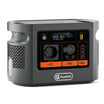
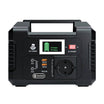

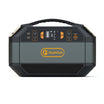
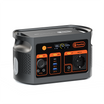






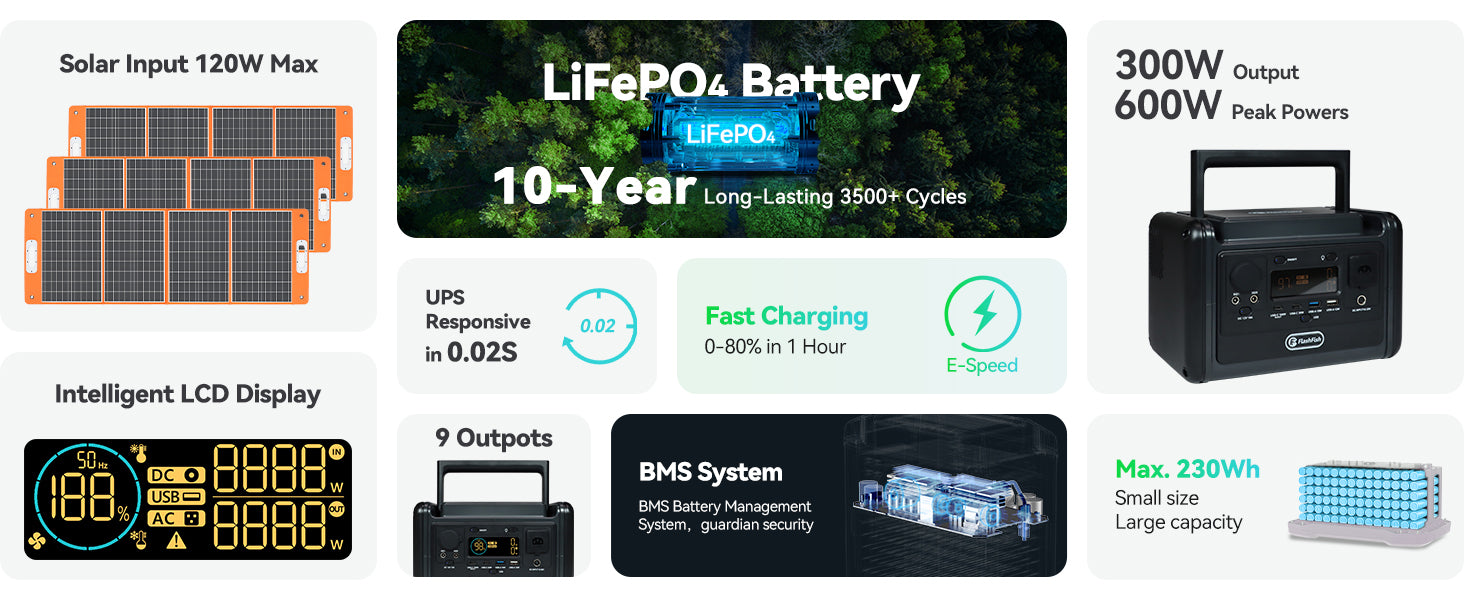
Short answer: LiFePO4 portable power stations are usually the better long-term choice for frequent cycling, home backup and solar use because the chemistry is known for stability and cycle life. Traditional lithium-ion designs can still make sense when compact size and low weight matter most. The better choice depends on how often you use the station, where you store it and whether you care more about lifetime value or carry weight.
Battery chemistry is no longer a hidden spec. In 2026, shoppers compare LiFePO4, lithium-ion, cycle life, UPS features and solar input before they compare color or app design. The shift is visible beyond consumer products too: the International Energy Agency reports that lithium-iron phosphate batteries now account for around 90% of battery storage deployments, reflecting the chemistry's strength in frequent cycling and cost-sensitive storage use.
What LiFePO4 means in plain English
LiFePO4 stands for lithium iron phosphate, often shortened to LFP. It is a lithium battery chemistry, but it behaves differently from the nickel-rich lithium-ion chemistries commonly used where energy density is the top priority. In portable power stations, LFP is popular because many buyers want a unit that can be charged and discharged regularly for years.
Quick comparison
| Factor | LiFePO4 portable power station | Traditional lithium-ion portable power station |
|---|---|---|
| Cycle life | Usually stronger for frequent use | Often lower, depending on chemistry and design |
| Weight | Can be heavier for the same usable energy | Often lighter and more compact |
| Best use case | Home backup, solar cycling, regular camping, longer ownership | Light travel, occasional use, compact kits |
| Storage mindset | Still needs careful storage, but suits repeated cycling well | Needs careful heat, damage and charger management |
| FlashFish examples | E103 LFP, T300PRO LFP, T2000 LFP | Compact non-LFP models where lower weight or price is the priority |
Why LFP is popular for solar and backup
Solar charging encourages cycling: charge during the day, use power in the evening, repeat. Home backup also rewards batteries that can sit ready and then handle deeper use when needed. That is why LFP is now common in power stations designed for regular use, not just emergency shelf storage.
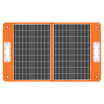
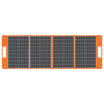
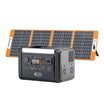
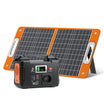
For FlashFish EU shoppers, the LiFePO4 Battery collection is the natural starting point. Smaller LFP options such as the FlashFish E103 and FlashFish T200 suit compact power needs. Larger LFP stations such as the T1200S and T2000 fit heavier backup or solar-generator use.
When traditional lithium-ion can still be the right choice
Not every buyer needs the biggest cycle-life story. If you want the lightest possible unit for occasional trips, compact lithium-ion designs may still be attractive. A small station that you actually carry is more useful than a theoretically longer-lasting one that stays at home because it is too heavy.
Battery safety still depends on behavior
No chemistry removes the need for sensible handling. Health Canada advises users to follow manufacturer charging instructions, avoid damaged batteries, keep batteries away from extreme temperatures and use compatible chargers. Those points matter for portable power stations too, especially when they travel between cars, tents, balconies and storage rooms.
- Do not charge a station on a bed, sofa or other heat-trapping surface.
- Do not use a damaged, swollen, wet or modified battery product.
- Use the charger and cable type recommended by the manufacturer.
- Store the station dry, ventilated and away from direct heat.
- For long storage, follow the product manual's state-of-charge guidance.
How to choose without getting lost in specs
If you will use the station every week, pair it with solar panels, or keep it for home backup, put LiFePO4 high on the list. If you only need a lightweight station for rare phone, camera and light charging, compare weight and output first. Then check warranty, ports, solar input and whether the product is actually available in your market.
FAQ
Is LiFePO4 the same as lithium-ion?
LiFePO4 is a type of lithium battery chemistry. In shopping language, people often contrast it with other lithium-ion chemistries used in lighter, higher-energy-density packs.
Does LiFePO4 mean the station is safe in every situation?
No. LFP is valued for stability, but safe use still depends on product design, certification, charging behavior, storage and avoiding damaged equipment.
Which FlashFish LFP model should I start with?
For compact needs, compare the E103, T200 and T300PRO. For heavier backup, compare the T1200S, T2000 and compatible solar generator kits.
Sources used for editorial context: the IEA Global Energy Review 2026 battery storage analysis, Health Canada lithium-ion battery safety guidance, and recent portable power station reviews covering large LFP systems.



Залишити коментар
This site is protected by hCaptcha and the hCaptcha Privacy Policy and Terms of Service apply.