







As we enter 2026, the global energy transition has moved from ambitious roadmaps to large-scale industrial execution. Across Europe and the UK, the focus has shifted toward Grid Flexibility, Supply Chain Transparency, and Next-Generation Chemistries.
For the modern energy consumer, staying informed about these shifts is no longer optional—it is the key to choosing hardware that remains relevant for the next decade. Here is the 2026 Industry Report on the most significant advancements in the energy sector.
1. Policy Spotlight: The UK's "Cap and Floor" & EU Net-Zero Industry Act
The regulatory environment in 2026 is defined by a push for Long-Duration Electricity Storage (LDES) and decentralized resilience.
The UK Strategy
In early 2026, Ofgem (the UK energy regulator) finalized its "Cap and Floor" investment framework. While initially aimed at grid-scale projects, the ripple effect has hit the residential market. The UK's Clean Flexibility Roadmap is now streamlining the registration for "small-scale aggregators"—allowing homes with battery storage to play an active role in national grid balancing.
The EU Directive
The Net-Zero Industry Act (NZIA) has entered a critical phase in 2026. Member states are now mandated to fast-track permitting for storage technologies. More importantly, the EU Battery Regulation now requires all rechargeable industrial batteries to provide a Carbon Footprint Declaration. This transparency ensures that only ethically sourced, low-impact systems enter the European market.
2. Battery Tech: The Commercial Dawn of Sodium-Ion (Na-Ion)
While Lithium Iron Phosphate ($LiFePO_4$) remains the gold standard for high-cycle home storage, 2026 marks the first year of Sodium-Ion commercialization at scale across Europe.
-
Why it Matters: Sodium is abundant and significantly cheaper than Lithium. More importantly for Northern European users, Na-Ion batteries exhibit superior cold-weather performance, maintaining higher discharge efficiency in sub-zero temperatures where traditional chemistries often struggle.
-
The Industry Shift: Major manufacturers have begun integrating Na-Ion into entry-level portable stations and stationary backup units. While energy density is slightly lower than high-end Lithium, the trade-off in cost and safety is making it a dominant force in the 2026 "budget-friendly" energy sector.
3. Solar Advancements: Perovskite-Silicon Tandem Cells
The efficiency ceiling of traditional monocrystalline silicon (typically around $20-22\%$) has finally been shattered in the commercial sector.
Efficiency Breakthroughs
In 2026, Perovskite-Silicon Tandem Cells have moved from the laboratory to the production line. By layering a perovskite cell—which captures higher-energy blue light—on top of a standard silicon cell, module efficiencies are now reaching $25\%$ to $28\%$.
Flexible Infrastructure
Beyond raw efficiency, 2026 has seen the rise of Building-Integrated Photovoltaics (BIPV). New flexible perovskite films are being applied directly to building facades and curved rooftops in cities like London and Berlin. This "solar everywhere" approach is turning every urban surface into an active energy harvester.
4. The "Digital Battery Passport" Era
Starting in early 2026, the transition toward the EU Battery Passport has begun. This digital twin for every battery pack over 2kWh provides:
-
Traceability: Full history of the raw materials (Cobalt-free verification).
-
Health Transparency: Real-time data on state-of-health ($SoH$) and cycle counts.
-
Recycling Protocols: End-of-life instructions to support the Circular Economy.
This regulation is purging the market of "mystery stock" and old, uncertified inventory, ensuring that consumers receive the latest, safest battery management systems ($BMS$).
The FlashFish Commitment to 2026 Standards
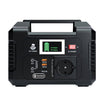
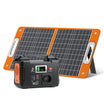
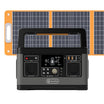
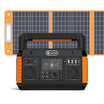
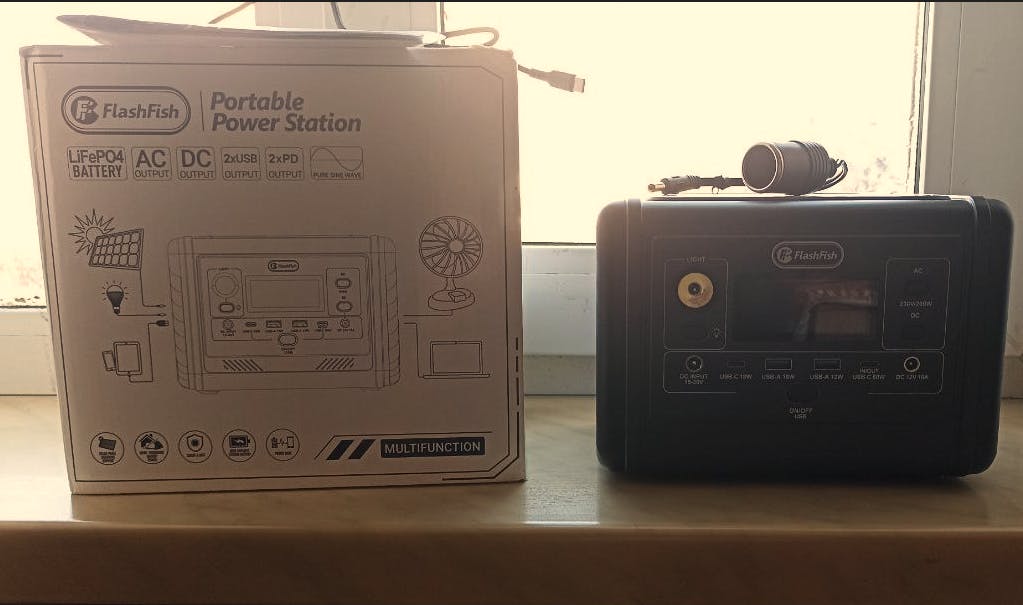
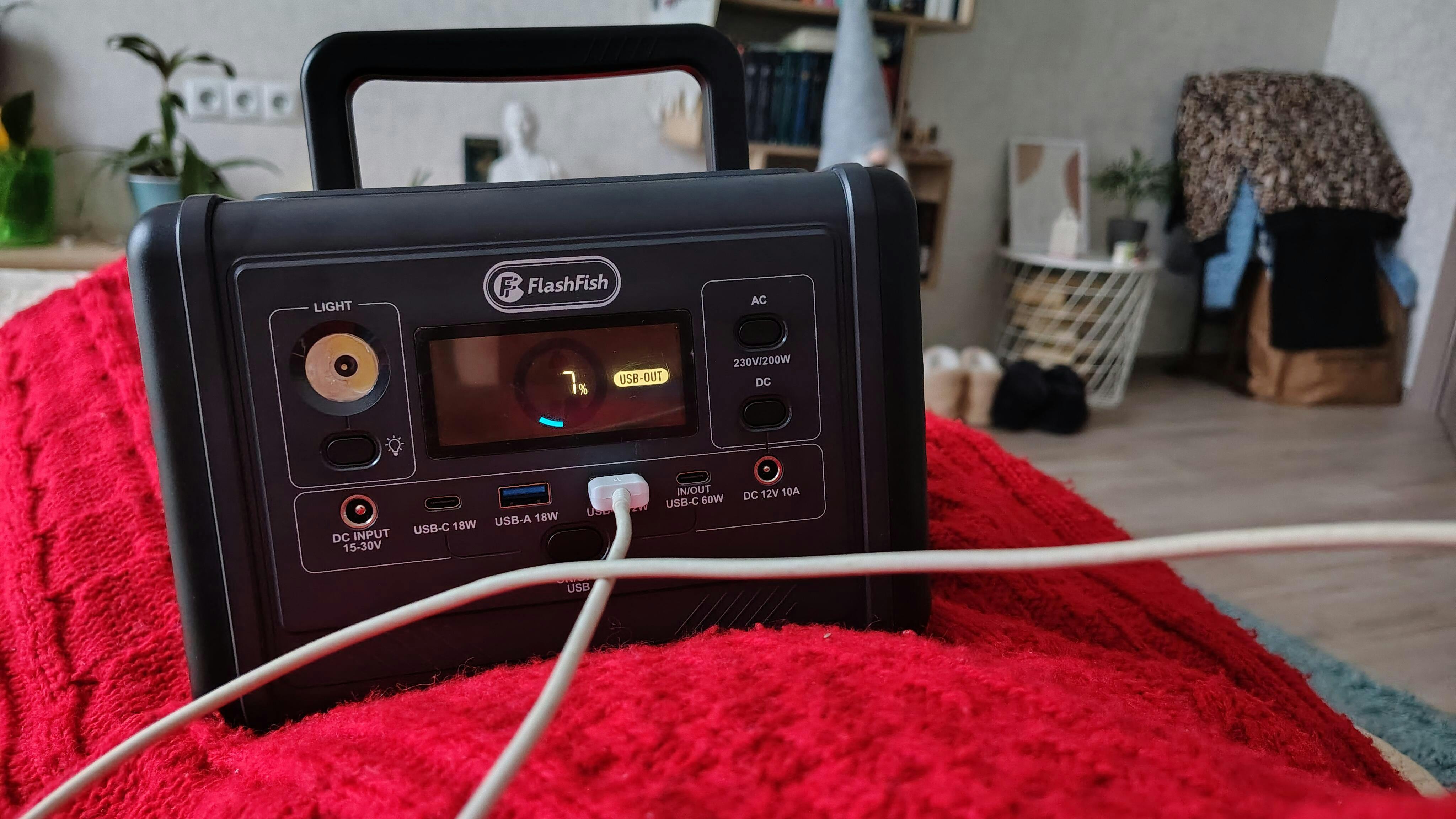
As these industry-wide changes unfold, FlashFish remains at the forefront of compliance and innovation. Our 2026 Official Batch units (including the SR5000 and T-Series) are engineered to meet the latest EU transparency requirements and utilize high-stability $LiFePO_4$ cells that align with the sustainability goals of the European Green Deal.
By prioritizing the latest production batches, we ensure our users are equipped not just for today's grid, but for the smarter, more transparent energy ecosystem of the future.
👉 [This is the solution we have carefully prepared for you]



Commenta
Questo sito è protetto da hCaptcha e applica le Norme sulla privacy e i Termini di servizio di hCaptcha.