








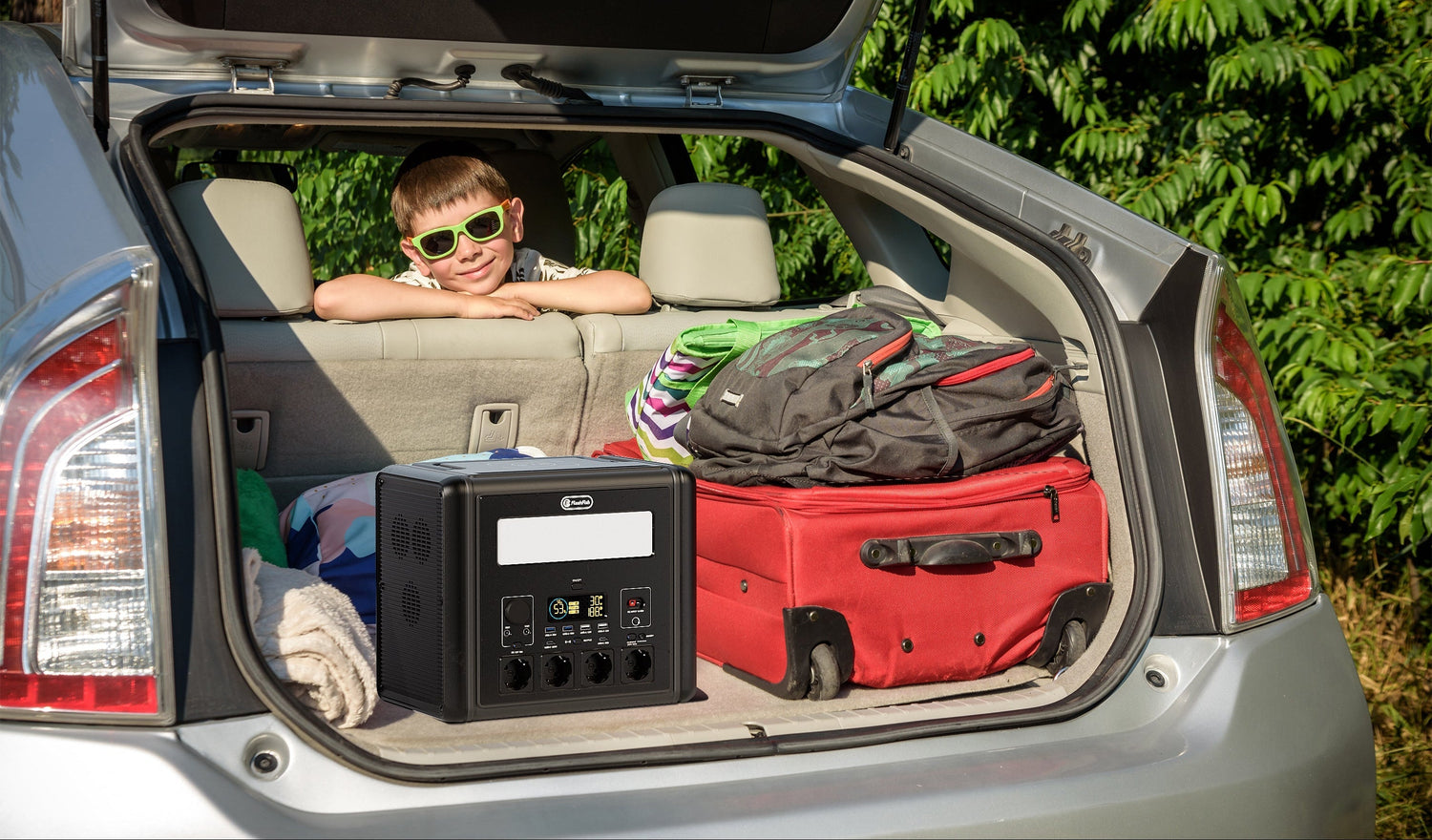
Short answer: FlashFish T2000 can be considered for power-tool battery chargers whose combined input stays within its 2,000W continuous AC rating. The charger label, battery condition, cable rating and dry placement decide whether a particular setup is appropriate. A tool's motor wattage is irrelevant when only its removable battery charger is connected.
What this setup can and cannot do
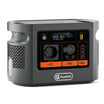
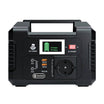
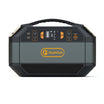
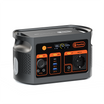
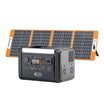
The FlashFish T2000 portable power station has 1,536Wh rated capacity, 2,000W continuous AC output and 4,000W peak output in the local product database. It uses LiFePO4 cells and weighs 19.2kg.
Those ratings make it a plausible source for many tool-battery chargers, but they do not establish compatibility with every brand, charger or battery. This article covers charging removable tool batteries through their approved chargers. It does not cover running hard-wired workshop equipment, modifying chargers, charging damaged batteries or connecting a portable station to building wiring.
Planning table
| Check | What to read | Decision |
|---|---|---|
| Charger input | Input watts on the charger label or manual | Add all chargers that will run together; keep the total within the station's continuous rating |
| Battery compatibility | Approved battery family and voltage on the charger | Use only the charger specified for that battery |
| AC quality requirement | Charger manual | Confirm the charger permits portable AC power; stop if the manufacturer prohibits it |
| Energy requirement | Charger input and expected charge time | Use Wh divided by average watts only as a planning estimate with losses |
| Cables | Extension or cable-reel rating and condition | Do not exceed the marked rating; fully unwind a reel when required |
| Location | Station and charger manuals | Use a stable, dry, ventilated position away from traffic and trip hazards |
Step-by-step tool charging checklist
- Identify the actual load. Read the charger input, not the cordless tool's output or battery voltage.
- Inspect the equipment. Do not use a battery, charger, plug or cable that is cracked, swollen, frayed, wet or unusually hot.
- Add simultaneous inputs. Two 300W chargers represent up to 600W of listed input before any other connected loads.
- Check the continuous rating. Keep normal combined AC demand within 2,000W. Peak output is not a reason to plan a continuous overload.
- Check the connection path. Avoid stacked adaptors and extension-lead daisy chains. Keep cable reels within their marked rating and fully unwind them for their rated current.
- Place equipment carefully. Keep the T2000 and chargers dry, ventilated and protected from vehicles, tools, dust accumulation and foot traffic.
- Monitor the first session. Stop if a plug, cable, charger or battery develops abnormal heat, smell, noise, smoke or visible damage.
How to estimate available charging energy
For rough planning, divide usable battery energy by the average combined charger input. Do not use the full 1,536Wh as usable AC energy: conversion and standby losses apply, and chargers vary their draw during a cycle.
Example method: if the measured average charger load is 250W, calculate 1,536Wh × a conservative planning factor ÷ 250W. The result estimates station operating time at that load, not the number of tool batteries charged. Battery size, charger behaviour, temperature and losses all affect the outcome.
Garage-specific checks
- Keep charging away from grinding sparks, welding work, fuel storage and metal debris.
- Do not block the station or charger's ventilation openings.
- Prevent cables from crossing vehicle paths or door thresholds.
- Do not connect the station to a garage circuit or distribution board as an improvised supply.
Campsite-specific checks
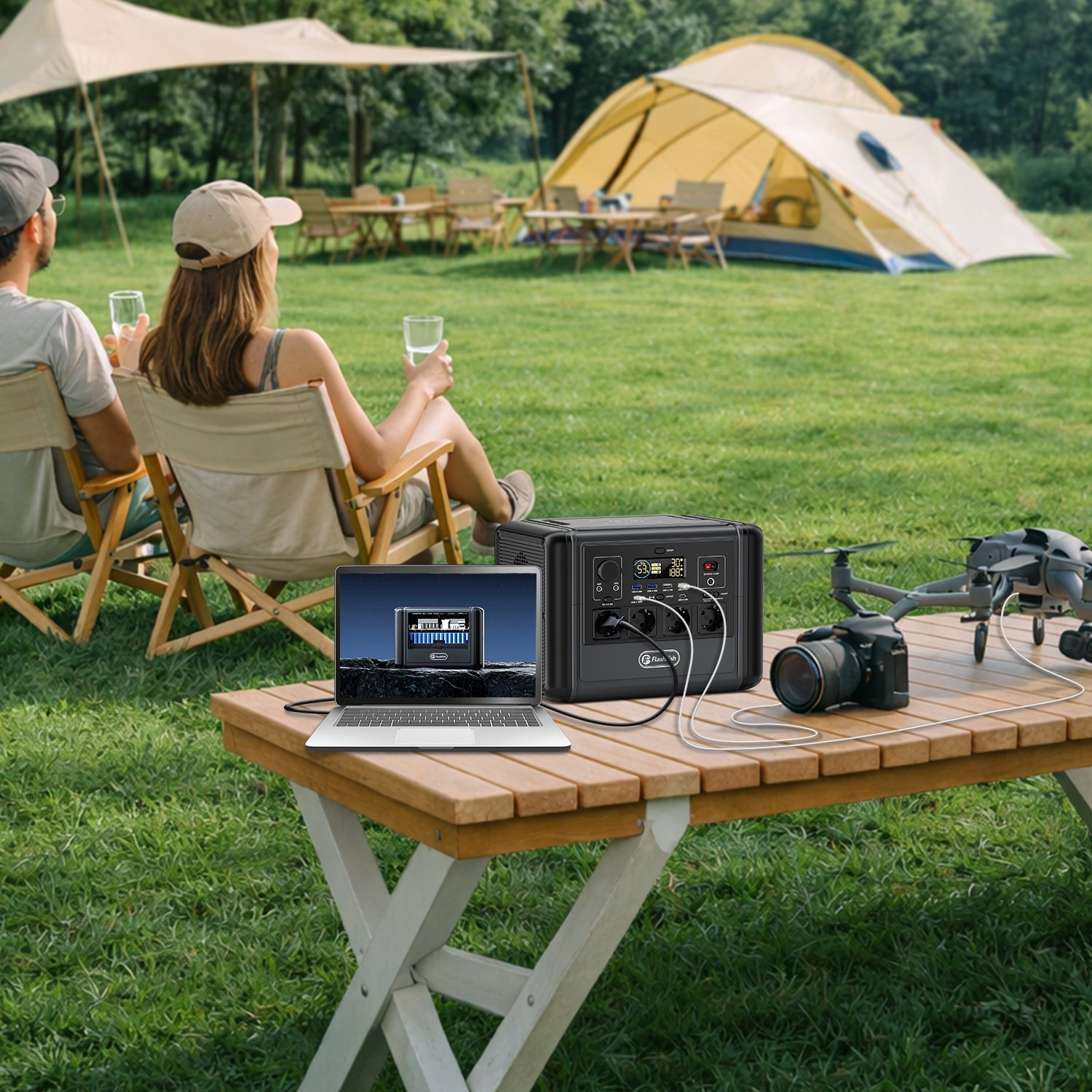
- Use the setup only in a dry, stable and ventilated location permitted by the campsite.
- Protect chargers and connections from rain, condensation, mud and tent traffic.
- Check quiet-hour and equipment rules before running work activities.
- Keep a separate plan for essential communications rather than consuming all stored energy on tool charging.
When T2000 fits and when it does not
Good fit: several labelled tool chargers, mobile work where 1,536Wh is useful, or a garage/campsite setup that benefits from 2,000W continuous output and can accommodate 19.2kg.
Not a good fit: a single small charger that could use a much smaller station, equipment above the continuous rating, damaged or incompatible batteries, wet locations, or any plan involving improvised building wiring.
Common mistakes
- Using the tool's wattage instead of the charger's input wattage.
- Adding more chargers after the initial load calculation.
- Treating peak output as a continuous operating allowance.
- Leaving a cable reel wound while drawing substantial current.
- Estimating a fixed number of battery charges without measuring losses.
Frequently asked questions
Can T2000 charge two tool batteries at once?
Potentially, if both approved chargers and every other connected load remain within the station and cable ratings. Add charger input watts first.
Should I use the tool's power rating in the calculation?
No, not when charging its removable battery. Use the charger label's AC input.
Can I run a corded tool while batteries are charging?
Only after checking the corded tool's running and startup requirements plus every charger and other load. A dedicated calculation is needed.
How many tool batteries will T2000 charge?
There is no universal number. Tool-battery Wh, charger losses, battery state and other station loads all change the result.
Can I use a cable reel?
Follow its marked rating and instructions. Electrical Safety First advises that reels must be unwound to achieve their current rating and should not be overloaded.
Sources and evidence notes
- FlashFish product-source bundle, accessed 2 July 2026, for T2000 specifications; original manual review remains appropriate for safety-critical use.
- FlashFish EU T2000 product page and Shopify discovery, checked 2 July 2026, for current product availability and link status.
- Electrical Safety First: extension leads, cable reels and block adaptors, accessed 2 July 2026, for extension ratings, reel and daisy-chain precautions.




Commenta
Questo sito è protetto da hCaptcha e applica le Norme sulla privacy e i Termini di servizio di hCaptcha.