

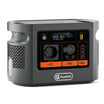
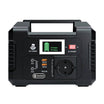

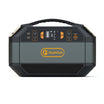
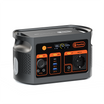






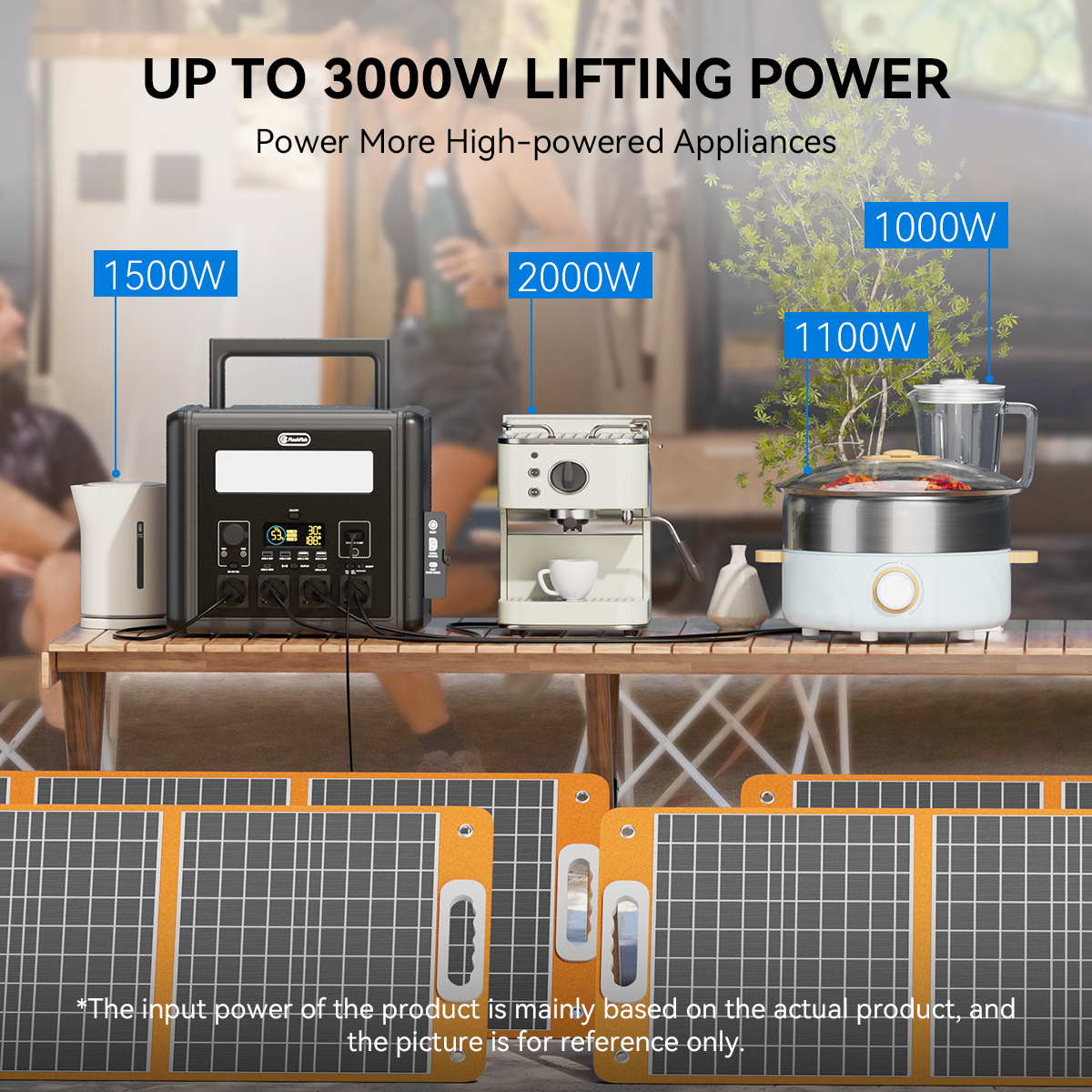
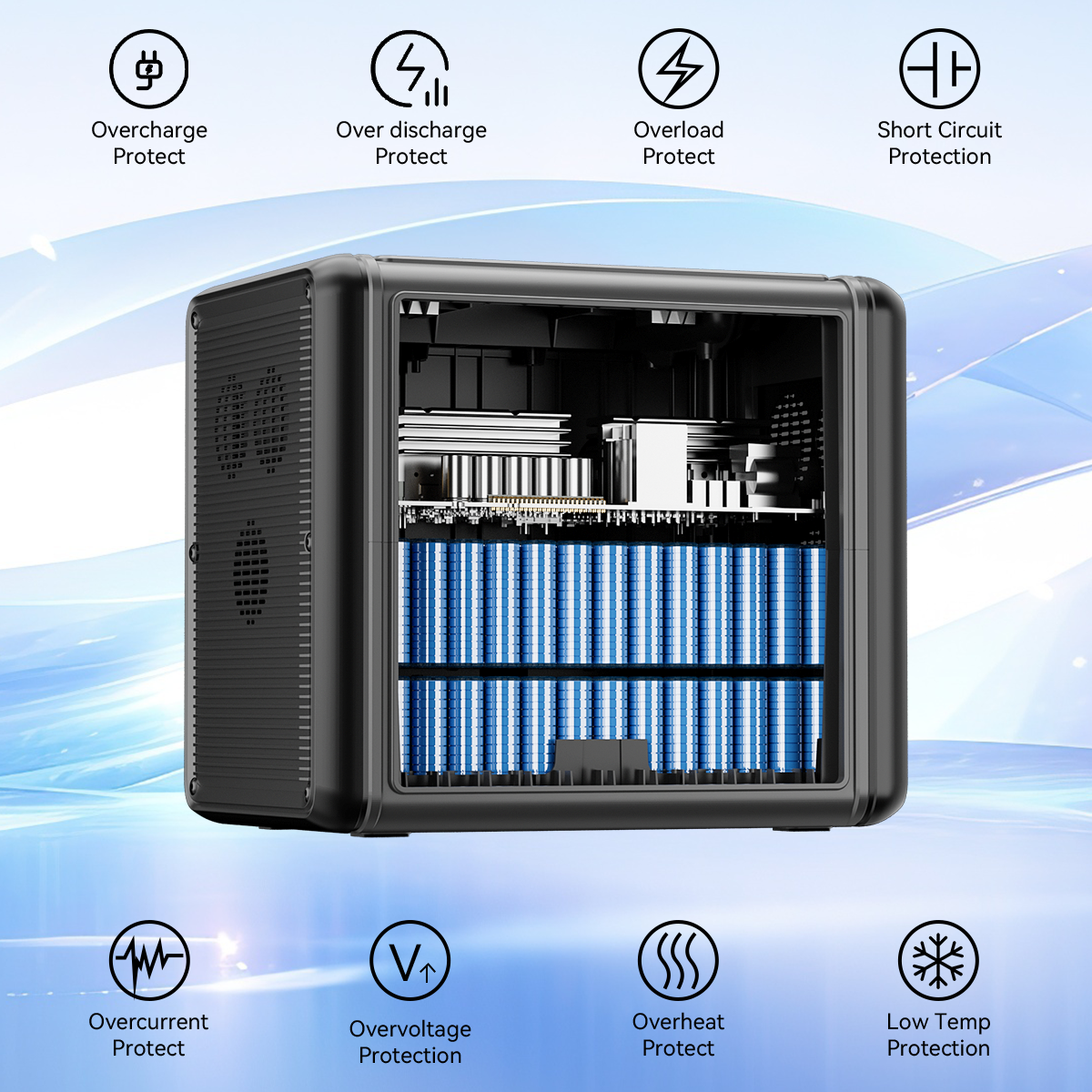
Short answer: large LiFePO4 power stations are heavy because they combine a high-capacity battery pack, a strong inverter, thermal management, output hardware, protective structure, and charging electronics in one box. The extra weight is not only battery weight. It is also the hardware that lets the station support bigger loads more safely and more conveniently.
That is why a compact camping station and a 1.5kWh or 2kWh class home-backup station should not be judged by the same standard. One is designed to move often. The other is designed to carry more stored energy and more output capability.
LFP changed the portable power category
LiFePO4, often shortened to LFP, has become central to larger battery systems. The IEA's Global EV Outlook 2026 notes that LFP accounted for more than 90 percent of global stationary battery storage installations in 2025. That does not mean every portable power station is a grid battery, but it shows why LFP is now associated with storage products built for frequent cycling and long-term backup roles.
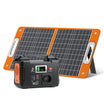
For FlashFish, LFP appears in products such as the FlashFish T1200S Portable Power Station and the FlashFish T2000 Portable Power Station. These are not pocket-sized battery banks. They sit in the category where capacity, output, and backup usefulness start to matter more than carrying weight alone.
What makes a large power station heavy?
| Part | Why it adds weight | What the user gets |
|---|---|---|
| Battery cells | More watt-hours require more physical cell mass | Longer reserve for lights, routers, laptops, fans, and selected appliances |
| Inverter | Higher AC output needs more robust electronics | Ability to support higher-watt devices within the rated limit |
| Cooling and casing | Heat control and protection need structure | More stable operation and better daily usability |
| Ports and charging hardware | AC outlets, USB ports, solar input, and AC charging all need components | More flexible charging and output options |
| Handles or wheels | Mobility hardware has its own mass | Less awkward movement for a station that is still heavy |
The 2026 trend: portable meets home backup
Recent 2026 reviews show the category moving upward in capacity. TechRadar's BLUETTI Elite 400 review described a 3840Wh LFP unit aimed at home backup, off-grid living, campervan setups, and demanding worksite use, while also pointing out the tradeoff of weight and limited outlet layout. That is the pattern buyers should notice: big capacity is useful, but it always comes with handling, storage, and setup questions.
For a European apartment, van, or small home, the better question is not simply which station has the biggest number. It is which capacity band matches the job. A compact unit fits train travel and light camping. A 500Wh class unit fits comfortable weekend use. A 768Wh to 1536Wh LFP station starts to make sense when backup, multi-device charging, or heavier AC loads are part of the plan.
How FlashFish shoppers can choose
If you want lighter daily portability, browse the portable power stations collection and compare capacity against carry weight. If you are focused on LFP chemistry, start with the LiFePO4 battery collection.
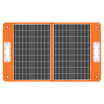
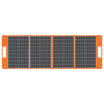
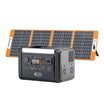
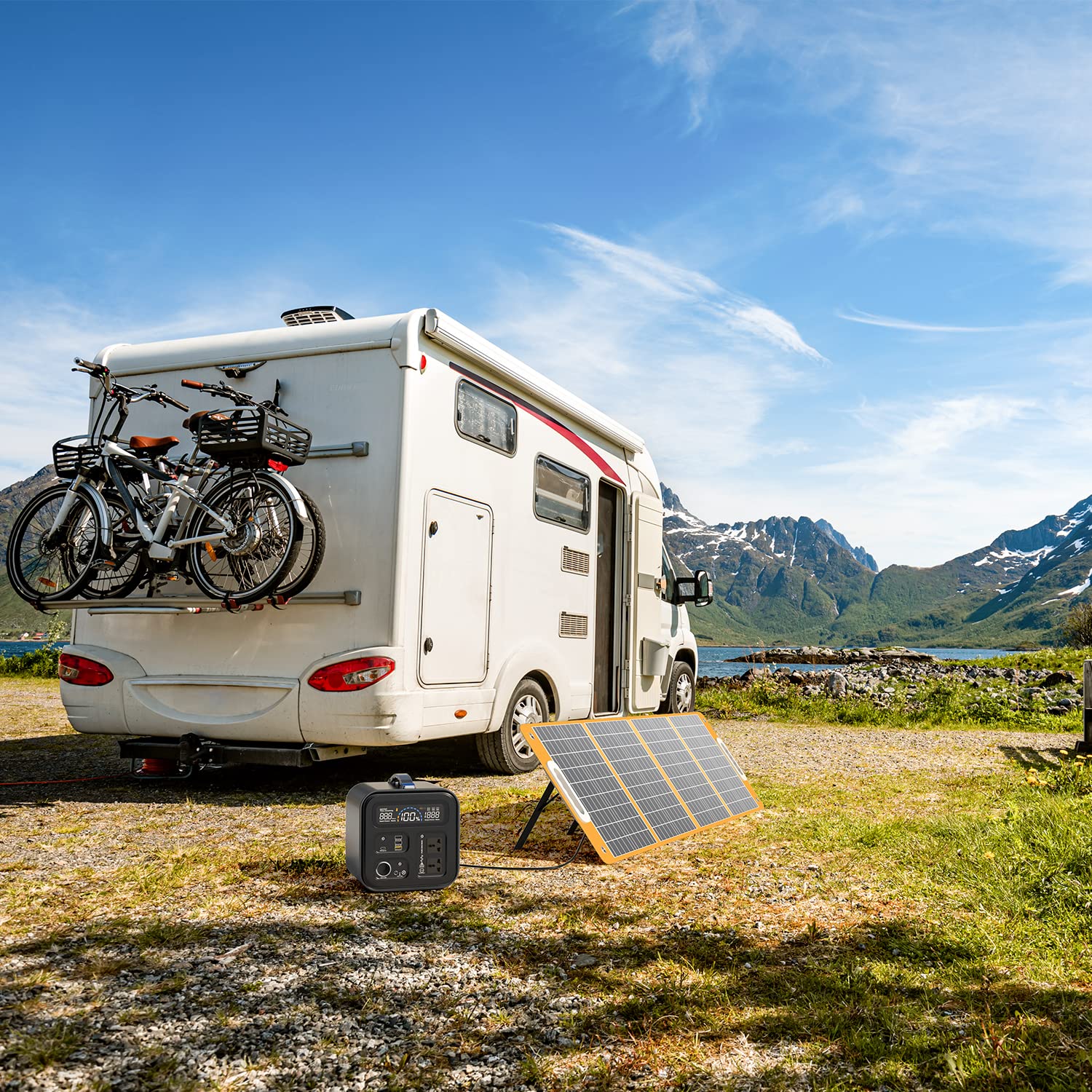
The FlashFish T2000 is better framed as a high-capacity portable backup station than a grab-and-go picnic battery. The FlashFish T2000PRO + TSP100 Solar Generator Kit adds a solar charging path for users who want a larger off-grid setup, but it still needs realistic expectations about weather, panel placement, and charging time.
A good rule before buying
Choose by job, not by the biggest spec. If the unit will be moved every day, weight matters first. If it will sit near a router, lights, laptop charging area, or backup shelf, capacity and AC output matter more. If solar charging is part of the plan, check the input rating and panel match before assuming any panel will charge any station quickly.
FAQ
Is a heavier LiFePO4 power station always better?
No. Heavier usually means more capacity or stronger hardware, but it can be the wrong choice for travel, festivals, or short camping trips.
Why do LFP stations often appear in home-backup content?
LFP is widely used in stationary storage and backup-focused products, so buyers often associate it with frequent cycling and larger reserve capacity.
Should I choose a power station or a balcony storage system?
Use a portable power station for movable, off-grid, device-level backup. Consider a balcony or home storage system only when your building, country rules, installation plan, and energy goals support it.



Commenta
Questo sito è protetto da hCaptcha e applica le Norme sulla privacy e i Termini di servizio di hCaptcha.