









Short answer: balcony solar storage is a small-scale way to capture or use apartment solar energy, but renters should understand the vocabulary before comparing systems. Terms such as PV input, inverter, off-grid output, self-consumption, landlord permission and grid connection describe different checks. None of them automatically means a system is legally approved, renter-approved or certain to save money in every country.
This glossary is written for European apartment users who are researching balcony solar, plug-in solar and compact storage. It uses FlashFish SR5000 as a restrained product example, but the main value is the decision language: know which question each term answers before you buy.
The balcony storage terms renters should know
| Term | Plain-English meaning | Renter question it answers |
|---|---|---|
| PV | Photovoltaic solar generation from panels. | Where can panels be placed, and what sun exposure is realistic? |
| PV input | The solar power a storage system can accept within supported voltage/current limits. | Can my panel plan safely match the storage unit? |
| Battery capacity, Wh or kWh | The stored energy rating before real-world losses and reserve margin. | How much evening load can I plan for without overpromising? |
| Off-grid AC output | AC power delivered by the storage system when used as an independent output source. | Which selected devices can be powered directly? |
| Self-consumption | Using more of the solar energy where it is generated instead of exporting or wasting it. | Can storage move daytime solar into evening use? |
| Inverter or microinverter | Electronics that convert DC from solar or battery storage into AC. | Who is responsible for safe connection and local compliance? |
| Grid connection | Any link between generation equipment and the building electrical system. | What local electrical, meter and network rules apply? |
| Landlord permission | Approval from the building owner or property manager. | Can anything be mounted, wired or placed on the balcony? |
| Placement clearance | Space, ventilation and service access around the unit. | Can the system sit safely without blocking exits or weather protection? |
Why the vocabulary matters
Most poor balcony-storage decisions come from mixing terms. A buyer may see a large battery capacity and assume whole-apartment backup. Another may see solar wattage and assume a fixed daily yield. A renter may see a plug-in solar discussion online and assume the same rule applies in every European country or building. Those are separate claims, and each needs its own evidence.
The European Commission describes solar as an important part of Europe's clean-energy direction and highlights the potential of rooftops and buildings. That supports the broad market context. It does not mean every balcony, rental contract, cable path or meter configuration is automatically suitable.
Renter checklist before comparing products
- Permission: check lease terms, building rules, balcony load limits and landlord approval before planning any mounted equipment.
- Electrical route: identify whether the system is purely off-grid output or touches the building wiring. Grid-connected work needs local-rule review.
- Sun exposure: use location, season, shading and panel angle as planning variables. The JRC PVGIS documentation exists because solar potential is assumption-dependent.
- Evening load list: list the devices you want to support, their watts and whether they run together.
- Placement and access: confirm ventilation, weather protection, cable routing, trip hazards and service access.
- Evidence boundary: separate product specs from legal approval, installation approval and savings claims.
FlashFish SR5000 context
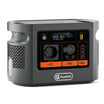
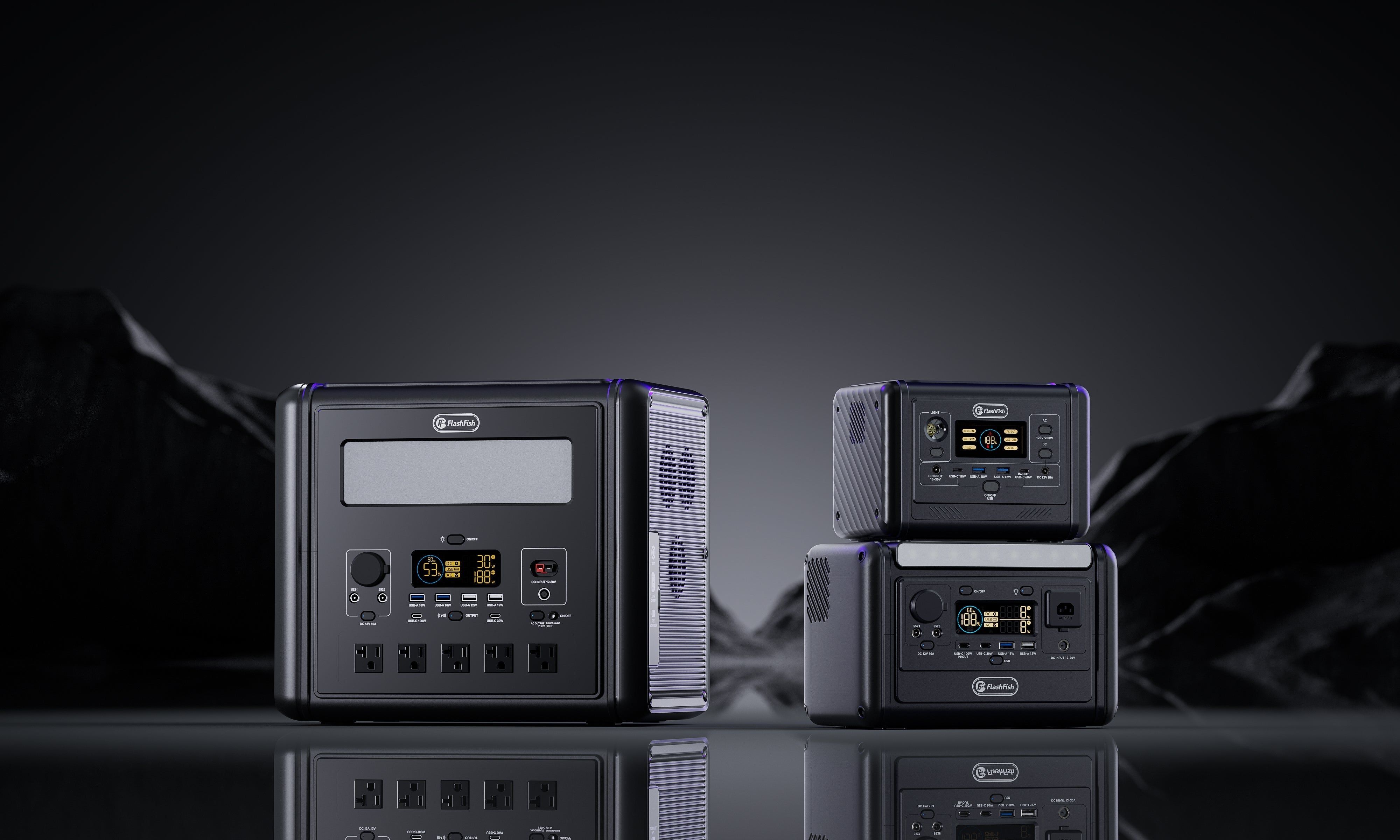
The FlashFish product-source bundle lists SR5000 as a 5120Wh LiFePO4 home-energy-storage system with 2400W rated off-grid AC output, 3600W peak output, product-database solar-input notation of 1000*2, 59kg weight and 520x181x715mm dimensions. The Europe Shopify snapshot shows the SR5000 product page is ACTIVE with a Europe online-store URL on 16 July 2026.
Those facts make SR5000 relevant to balcony storage planning, evening self-consumption discussions and selected-load thinking. They do not prove legal compliance, renter approval, certain bill reduction, fixed ROI, full-apartment backup or safe DIY grid connection. Those claims need local evidence and human review.
Common renter mistakes
- Assuming "balcony solar" means the same rule in every country, city or apartment building.
- Choosing a storage unit before confirming permission, placement and cable routing.
- Using solar panel nameplate watts as if it were assured daily production.
- Ignoring weight, weather exposure, ventilation and service access.
- Reading "off-grid AC output" as full-apartment backup.
- Assuming savings or payback without current tariff, solar exposure and usage data.
When balcony storage fits
Balcony storage can fit when the renter has permission, suitable placement, realistic solar access, a clear evening-load list and product specifications that match the plan. It is most defensible as a selected-load and self-consumption planning topic, not as a universal emergency or savings promise.
When it does not fit
It does not fit when building rules are unclear, the balcony lacks safe placement, the project requires unapproved wiring, the buyer expects full-apartment backup, or the ROI calculation depends on unverified tariff assumptions. In those cases, pause the purchase and resolve the site-specific questions first.
Frequently asked questions
Is balcony solar storage legal everywhere in Europe?
No. Rules vary by country, building, landlord and connection type. This article is a glossary, not legal or electrical approval.
Does a larger battery mean larger savings?
No. Savings depend on solar exposure, tariff, consumption timing, system losses and local rules. This draft does not make an ROI claim.
Can SR5000 power a whole apartment?
The local database lists rated off-grid AC output and battery capacity, but this article does not claim full-apartment backup. Plan only selected loads that fit verified ratings and site conditions.
What does self-consumption mean?
It means using more of locally generated solar energy in the home, often by shifting energy into later use. It is not the same as certain bill reduction.
Why is PVGIS relevant?
PVGIS helps frame solar planning around location, radiation and assumptions. It supports variability cautions, not fixed charge-time promises.
Should renters buy storage before asking the landlord?
No. Permission, placement and building rules should be checked before committing to balcony equipment.
Sources and further reading
- European Commission: Solar energy - supports high-level EU solar context.
- European Commission: Solar energy in buildings - supports building-solar context and the need for feasibility language.
- European Commission JRC: PVGIS - supports solar-radiation and PV-performance variability by location.
- FlashFish product-source bundle and Europe Shopify snapshot, accessed 16 July 2026, for SR5000 facts and active product URL.
Human review note: before publication, confirm local-rule wording remains generic, the SR5000 product page is still active, and no legal-compliance or savings promise has slipped into the copy.



Laat een reactie achter
Deze site wordt beschermd door hCaptcha en het privacybeleid en de servicevoorwaarden van hCaptcha zijn van toepassing.