








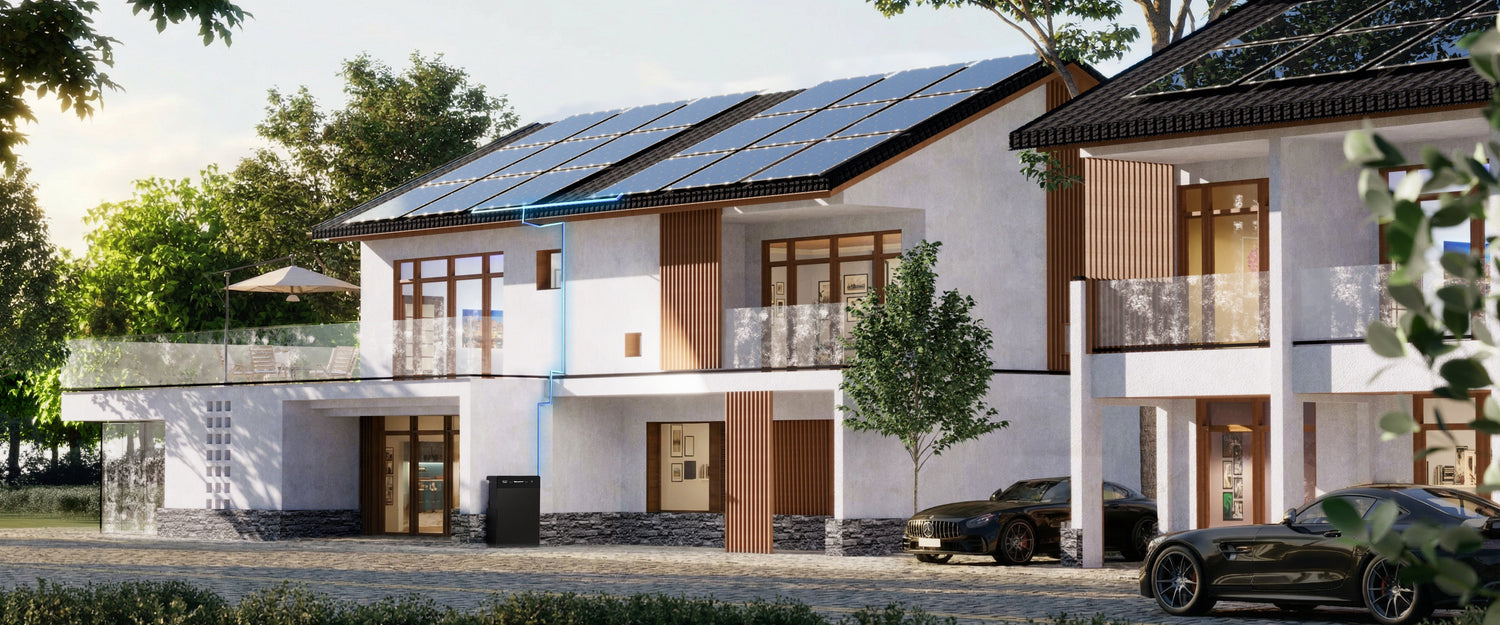
Short answer: battery storage can shift solar energy from one time to another, but it cannot recover energy that shade prevented the panels from producing. Before choosing a battery, measure when shade occurs, how generation changes, whether a genuine surplus exists and whether household demand happens later.
This Europe-focused audit helps separate a generation problem from a timing problem. Storage may help the second; it does not automatically solve the first.
First decide whether the problem is generation or timing
| Observed problem | Likely first question | Why storage is not the first answer |
|---|---|---|
| Very low PV output all day | Are orientation, shade, wiring, dirt or equipment limiting generation? | There may be little surplus to store |
| Good midday export, high evening import | How much measured surplus and later demand overlap over seasons? | Storage may help, but only after sizing from interval data |
| Sharp dips when a railing/tree shadow crosses modules | Can siting or module arrangement be improved safely and legally? | A battery cannot restore the missing generation |
| Winter output is much lower than summer | What does location/season modelling show? | One summer week may overstate refill opportunity |
Run the five-part SHADE audit
S: sketch every nearby obstacle
Draw the balcony, panel position and the direction of trees, walls, railings, roof overhangs and neighbouring balconies. Note whether an obstacle is fixed, seasonal or likely to change. Do not move or mount panels in a way that conflicts with structural, fire, landlord, co-owner or local electrical requirements.
H: record hours across more than one season
Take time-stamped observations through a clear representative day: morning, solar noon, afternoon and evening. Repeat when the sun path changes materially. A leafless winter tree, summer foliage and a low winter sun can produce very different patterns.
A: record orientation and slope
The European Commission JRC PVGIS manual models slope, azimuth and horizon. Use the actual panel angle and direction rather than a generic “south-facing” assumption. PVGIS built-in horizon data is useful for hills or mountains; nearby buildings and balcony objects still need local evidence.
D: collect generation and household interval data
Export PV generation and household import/export or consumption in the smallest practical interval. Label clear, cloudy and unusual days. A battery question needs both sides: what surplus was available and what demand occurred later.
| Interval | PV generated Wh | Household demand Wh | Export/surplus Wh | Shade note |
|---|---|---|---|---|
| 08:00–09:00 | _____ | _____ | _____ | _____ |
| 12:00–13:00 | _____ | _____ | _____ | _____ |
| 16:00–17:00 | _____ | _____ | _____ | _____ |
| 18:00–19:00 | _____ | _____ | _____ | _____ |
E: evaluate measured surplus before storage size
For each representative day, calculate potential shift Wh = the smaller of measured surplus Wh and later target-demand Wh. This is a screening quantity, not expected delivered energy. Storage losses, reserve settings, controls, temperature and power limits still reduce or constrain the result.
Worked example: the shaded west balcony
Imagine a west-facing balcony where a nearby tree shades half the panel area from 16:00. The household sees little morning generation, a midday-to-afternoon rise and a sharp late-afternoon fall. Evening demand begins at 18:00.
- PVGIS models the location, orientation, slope and terrain horizon.
- Time-stamped photos and inverter data document the nearby tree shadow that the terrain model may not represent.
- Household interval data shows whether midday/early-afternoon export exists before the shadow arrives.
- If a repeatable surplus exists and later demand consumes it, storage timing deserves evaluation.
- If generation is already below daytime demand, the first task is improving or rethinking safe panel siting—not buying a larger battery.
The JRC PVGIS methods explain that terrain shadows reduce direct radiation, leaving diffuse radiation, while PV performance also depends on irradiance and temperature. That is why a shadow is not a fixed percentage that this article can safely invent.
Common shading-audit mistakes
- Using one noon photograph: shade moves through the day and year.
- Assuming PVGIS sees nearby objects: terrain horizon and balcony obstructions are different evidence layers.
- Comparing battery Wh with panel W: energy, power and time are different units.
- Sizing from gross generation: storage opportunity is surplus after concurrent household demand.
- Promising recovery: stored energy cannot exceed energy that was actually available to charge.
- Ignoring access and rules: a technically attractive location may be unsafe or impermissible.
Pre-purchase shade evidence pack
- Site sketch with orientation, slope and all nearby obstacles.
- Time-stamped photos across representative clear days and seasons.
- At least several days of interval PV generation data.
- Matching household consumption/import/export intervals.
- Notes for cloud, dirt, equipment faults, absences and unusual loads.
- PVGIS location/configuration output with its assumptions saved.
- Named owner for landlord/co-owner, grid, meter, structural and electrical checks.
Apply the evidence to SR5000
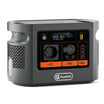
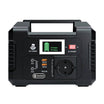
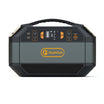
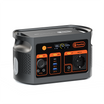
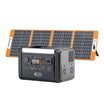
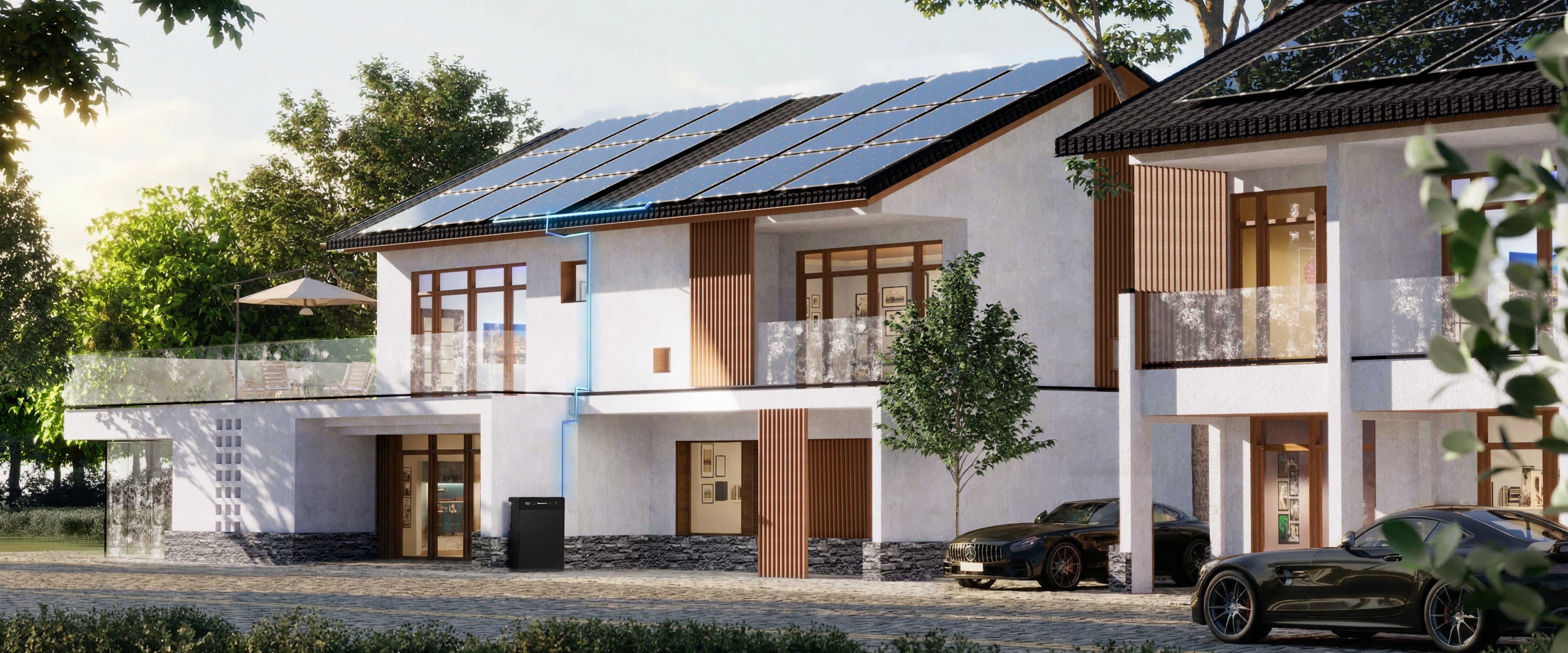
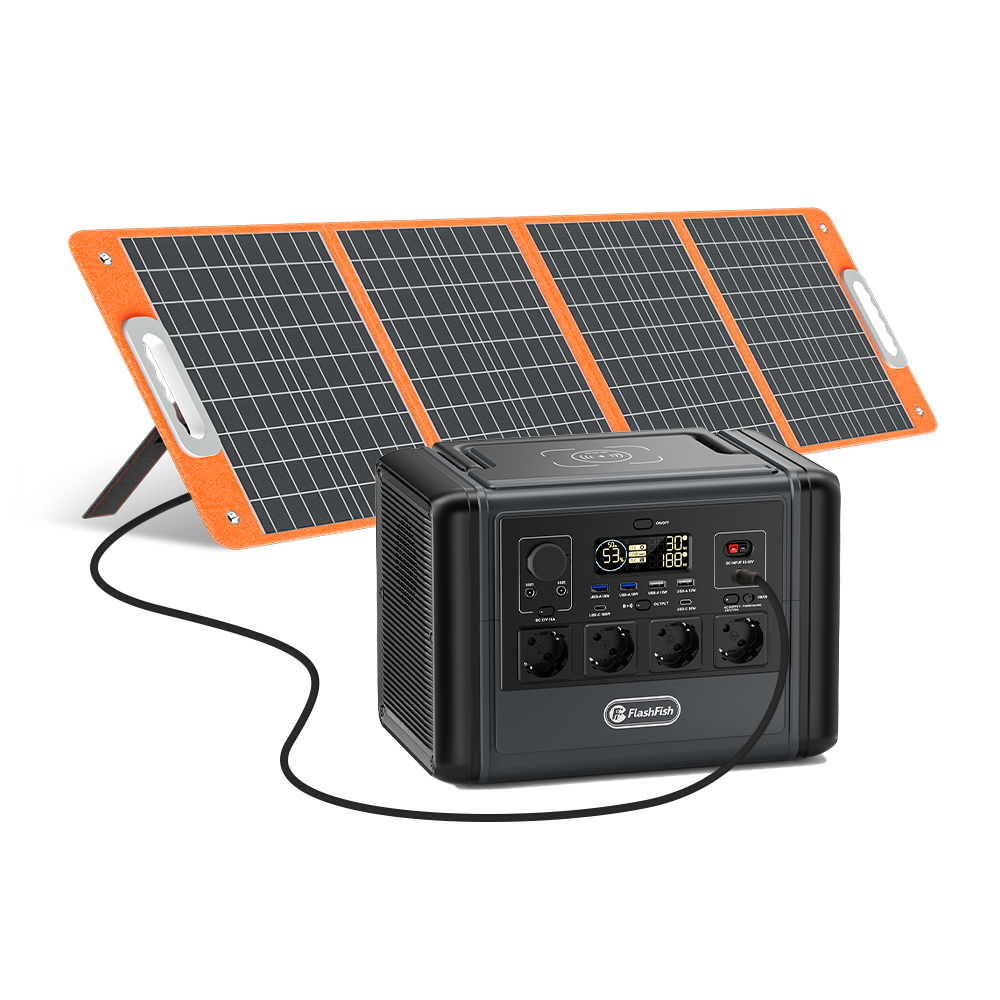
The current Europe FlashFish SR5000 product page and local product database identify a 5120Wh LiFePO4 storage system with up to 2000W PV input, 2400W rated off-grid AC output and approximately 59kg weight. Those labels create capacity, input, output and placement gates—but they do not prove that a shaded balcony can fill the battery.
When SR5000 may fit
- Measured interval data shows repeatable surplus solar before the target demand window.
- The useful shift opportunity is compatible with a 5.12kWh rated storage class after conservative reserve/loss review.
- The panel/input design stays inside the exact SR5000 manual and local installation requirements.
- The 2.4kW rated off-grid output and selected-load startup plan fit the intended backup role.
- Weight, placement, grounding, meter, grid and permission questions have documented owners.
When SR5000 does not fit—or storage should wait
- Shade leaves little or no measured surplus to store.
- The proposal treats 5.12kWh as daily delivered energy or an assured savings amount.
- The goal is portable camping power rather than fixed home storage.
- The site, grid, meter, grounding, landlord/co-owner or service path remains unresolved.
European context and safety boundary
SolarPower Europe notes that plug-in solar contribution depends on household consumption, installation conditions, orientation and local irradiation, while standards and national arrangements matter. This article is not a country-specific legal or installation guide. Do not bypass protective equipment, modify grid connections or work on live PV wiring. Use qualified regional review where required.
Frequently asked questions
Can a battery fix poor solar production caused by shade?
No. It can move produced energy in time but cannot create the energy lost to shade.
Does PVGIS include shade?
It can use terrain-horizon information and a user horizon; nearby trees, railings and buildings still need local evidence.
How long should I observe shade?
Start with repeated times across a clear day and compare materially different seasons. One photograph is not enough.
What data should I collect?
Interval PV generation, household demand/import/export, shade times, orientation, slope, obstacles and the intended battery window.
When can storage help a partly shaded system?
When measured data shows surplus at one time and demand later, with capacity, output, installation and local-rule gates resolved.
Does a 5.12kWh battery need 5.12kWh of daily solar?
That shortcut is unreliable. Compare actual surplus timing and amount with intended use, losses, reserve and season.
Sources and further reading
- European Commission JRC: PVGIS user manual and calculation methods—orientation, horizon, shadow and PV-performance context.
- SolarPower Europe: Plug-In Solar PV—installation-condition, orientation and national-variation context.
- Victron Energy: MPPT troubleshooting—general shade, seasonal, dirt and orientation factors.
- FlashFish Europe: SR5000 and local product-source bundle—first-party product class and limitations.
Human review note: treat the image and example as illustrative; verify exact regional product, site, grid, building and installer requirements before publication.



Leave a comment
Este site está protegido pela Política de privacidade da hCaptcha e da hCaptcha e aplicam-se os Termos de serviço das mesmas.