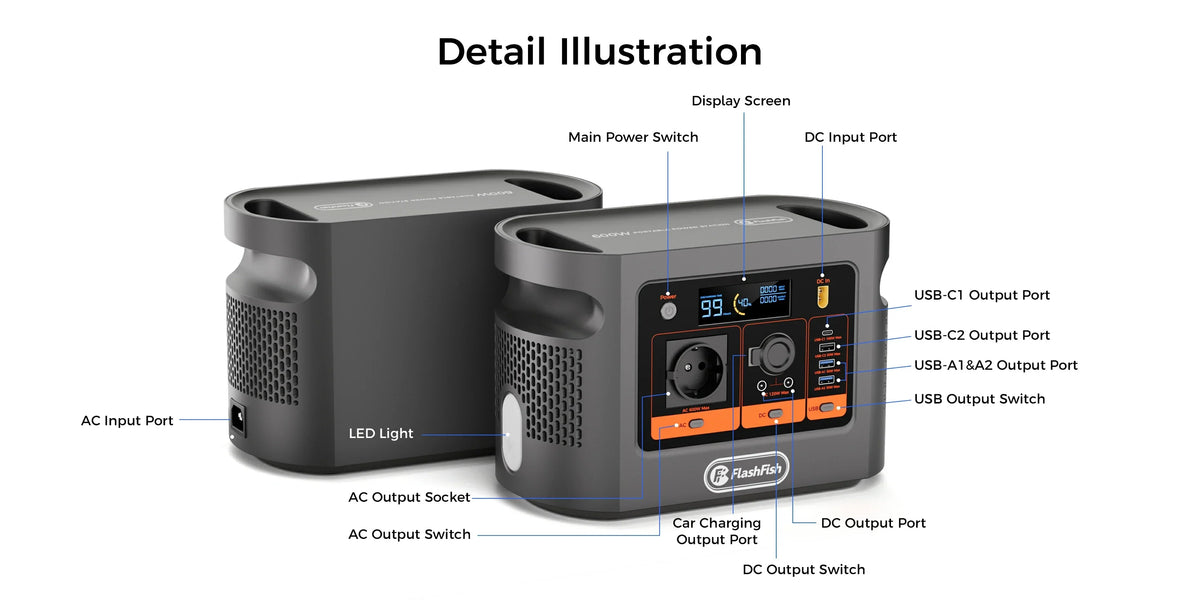
Can a USB-C Laptop Charger Recharge the E106B?
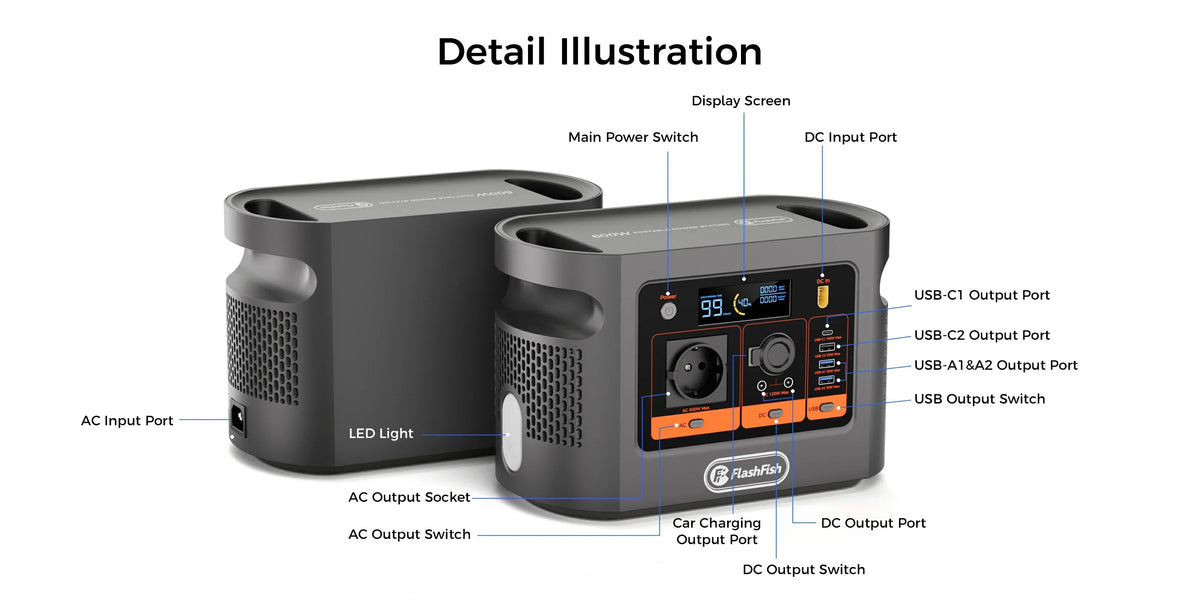
The available E106B record does not document USB-C charging input. Its USB-C ports are listed as outputs, while AC and DC are the recorded inputs.
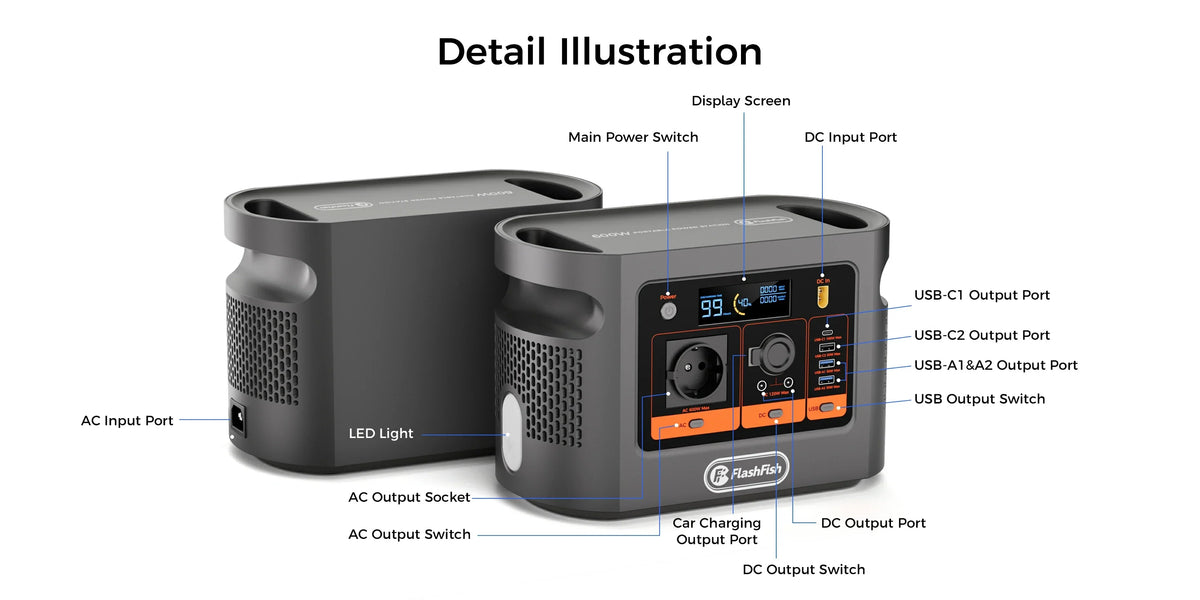
E106B Livestream Checklist: Power, Data and Uplink
A powered camera or laptop is only one part of a livestream. Map power, data, capture, recording and uplink separately, then rehearse the full chain.
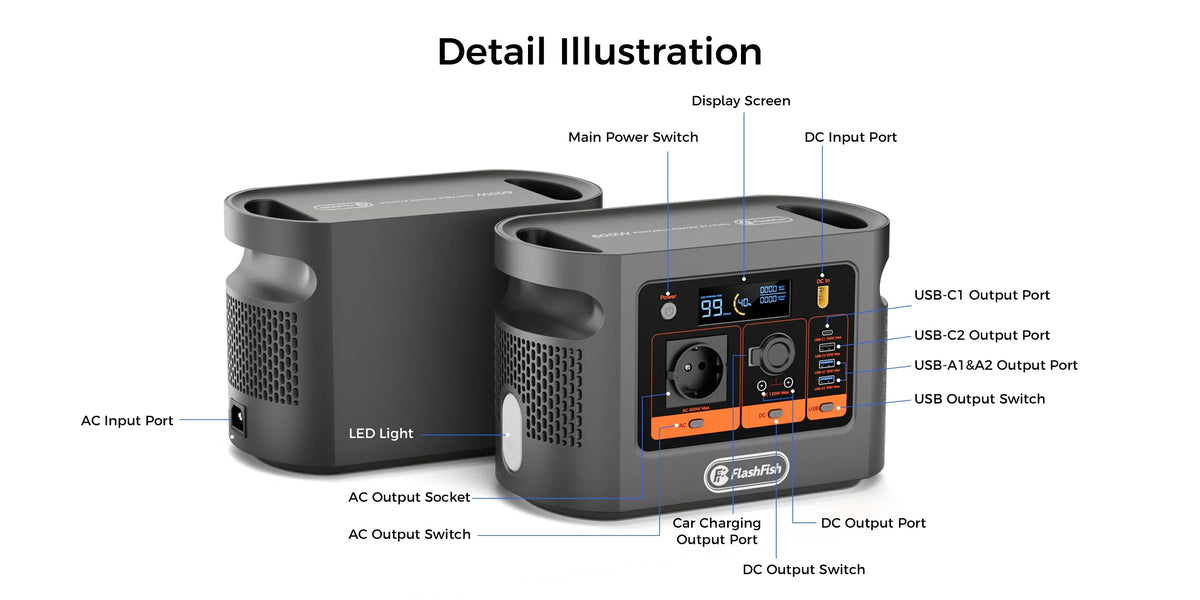
How to Fact-Check an AI Power Station Recommendation
Use MODEL-REGION-SOURCE-LOAD-DATE-GAP: pin down the exact suffix and market, open primary evidence, map the intended appliance path, date volatile facts and preserve every missing field as unknown.
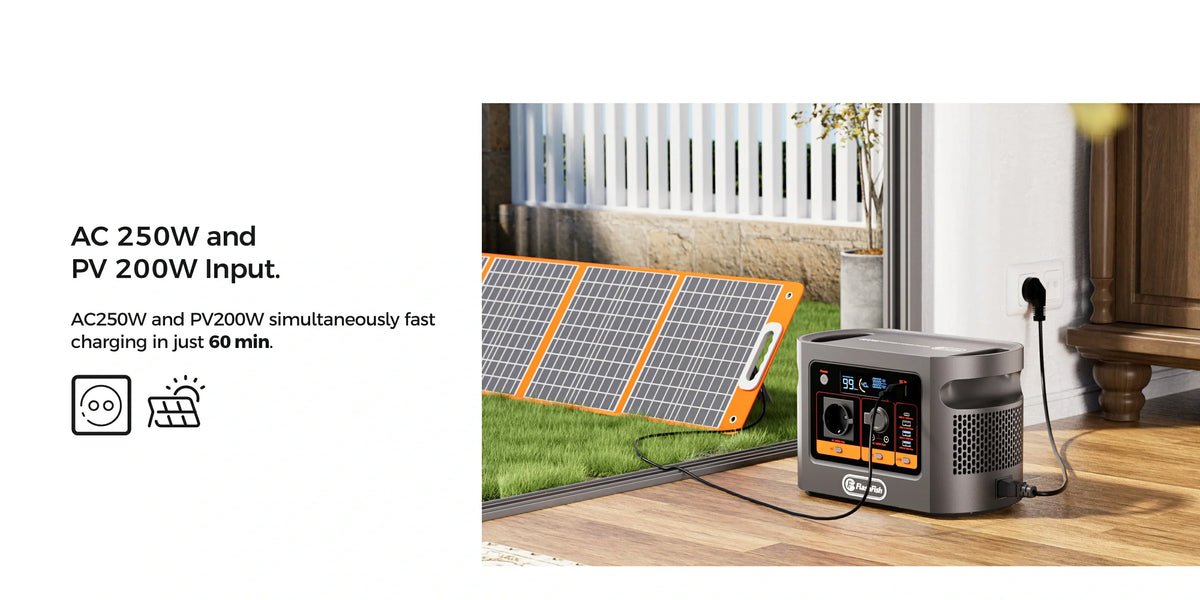
Battery Voltage vs 12V DC and 230V AC Output
Use PACK-PATH-PORT-LOAD: separate the internal battery pack from each conversion path, read the selected port's limits and then match the complete load without treating one voltage as universal.
Why Cable Watts Do Not Guarantee USB-C Charging Speed
Cable watts are a ceiling, not a promise. SOURCE-CABLE-SINK makes the source profile, cable capability and receiving device's negotiated request visible before anyone blames the cable or expects he...

Can One Portable Power Station Charge Another?
Sometimes one station can power another station's original AC charger, but it is an energy transfer with conversion losses—not a larger shared battery. Use the TRANSFER method and stop when any vol...
What Does Shared 120W Mean on the E106B 12V Outputs?
Use BUDGET to treat the E106B's two DC5521 ports and car socket as one documented 12V, 10A, 120W output group rather than three separate 120W supplies.
What Counts as One Battery Cycle in a Portable Power Station?
A battery cycle usually describes cumulative charge-discharge throughput, but meaningful comparison also needs operating window, test conditions, end criterion and calendar time.