




No. A conventional travel plug adapter changes the physical connection, not the voltage or frequency. It cannot by itself make a mismatched appliance compatible with a FlashFish E103, or make an unsuitable wall supply compatible with the station. Check the exact labels and manuals for your equipment before connecting anything. Electrical Safety First explains the limits of travel adapters.
First identify which connection you are checking
There are two separate questions:
- Charging the station: wall outlet → suitable charging connection → E103 AC input. Compare the local supply with the input label and instructions for your exact unit and charging cable.
- Powering an appliance: E103 AC outlet → appliance plug or power supply. Compare the station's actual output with the appliance's input label and instructions. The wall supply where you charged the E103 is not a substitute for checking its output.
A plug that fits answers neither electrical question. Do not force a plug or modify a cable. If a required rating or instruction is unclear, leave the setup disconnected and ask the manufacturer.
What to check on the labels
- Voltage and frequency: Check both values at the supply and at the receiving equipment. For an appliance with a separate power supply, read the power supply's AC input label. A broad voltage range does not, on its own, establish frequency compatibility.
- Plug and socket: Check the specific plug, socket and intended direction of the connection. An adapter made for one direction or country is not automatically suitable for another.
- Power or current: Check the adapter's rating against the connected load, and check the appliance's running and starting requirements against the station's relevant output limit. A momentary surge rating is not a continuous rating.
- Earth: Check the appliance's instructions and whether the complete arrangement provides any required protective earth. Some adapters do not provide an earth connection even when a plug fits. Do not assume the E103 outlet or an adapter provides the required earth; ask the manufacturer if the arrangement is unclear. Electrical Safety First describes this limitation.
Where the E103 fits in
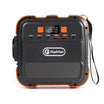
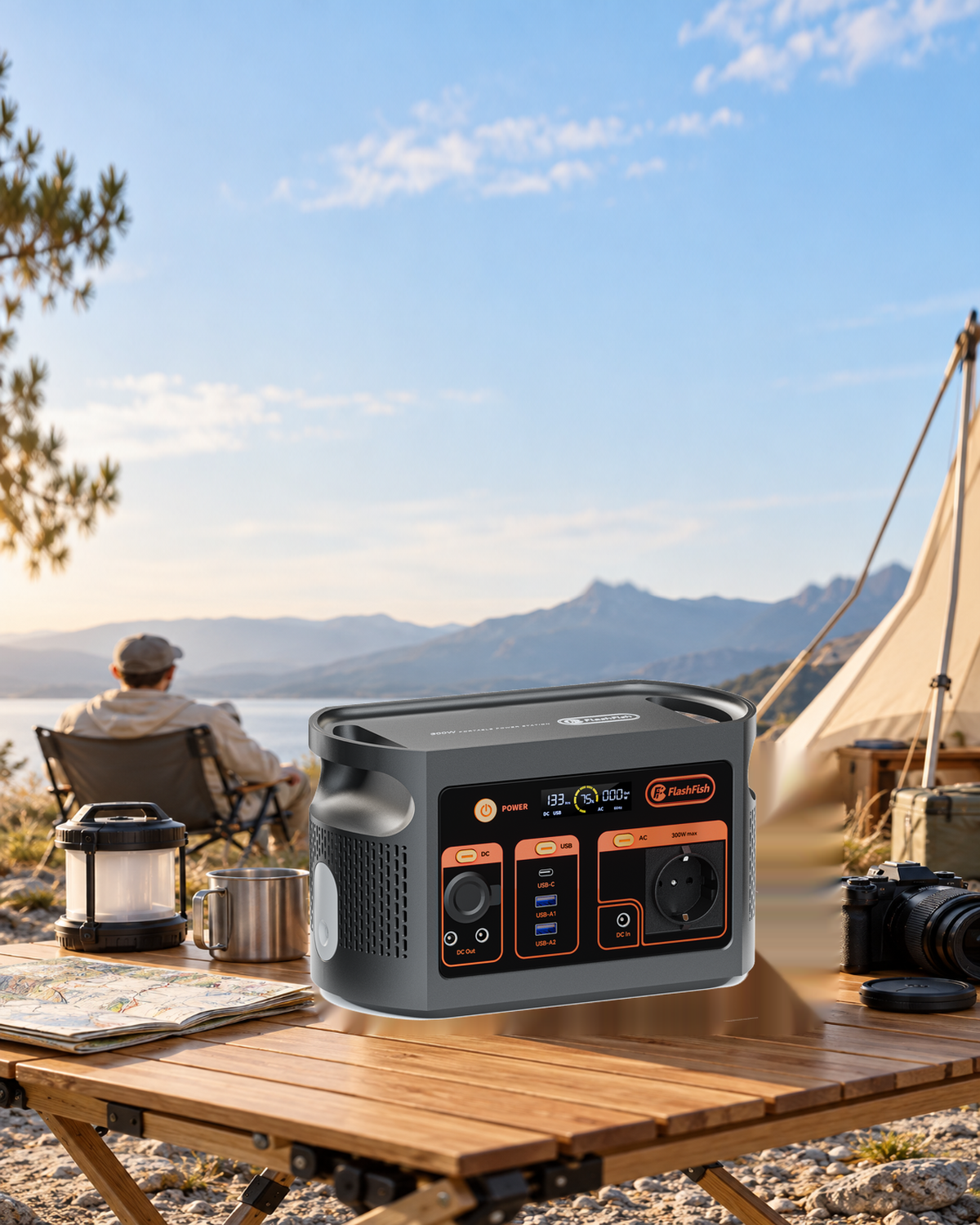
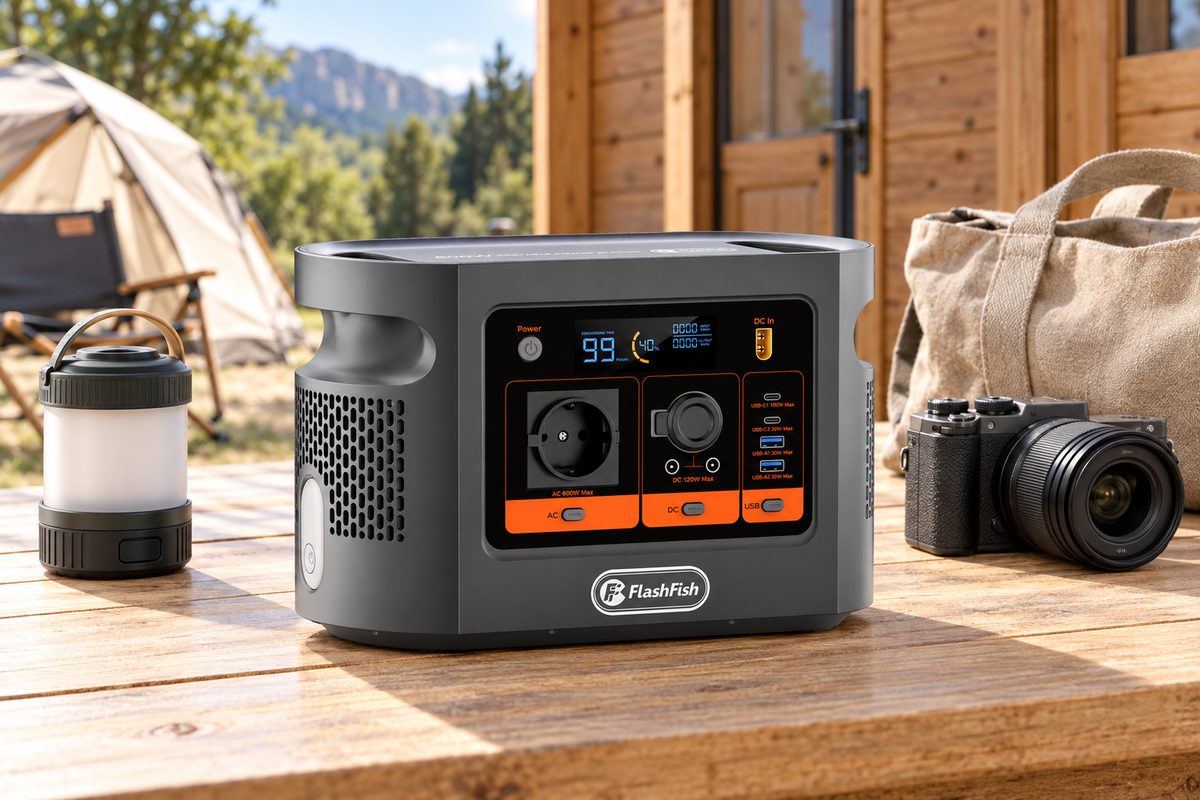
The European E103 product information lists a 230 V AC output and 300 W rated AC power. It also lists a 100–240 V AC input, up to 100 W. These are different sides of the station: an input voltage range does not mean the AC outlet changes to match the wall supply. Check your own unit's regional label and manual, including its input and output frequencies, before use.
For example, an appliance marked only for 120 V AC should not be connected directly to a 230 V E103 output through a plug adapter: changing plug shape does not change voltage. A charger marked for a voltage range that includes 230 V still needs its frequency, power and other requirements checked; that label alone is not a compatibility guarantee.
Frequently asked questions
Will one adapter work with every E103 version or appliance?
No. Regional units, plugs and equipment requirements can differ. Check the exact E103 and the exact appliance rather than relying on a model name or a photo.
What information should I collect before travelling?
Record the local socket and supply, the E103 input and output labels, the intended appliance or power supply input label, and the adapter's supported connections and rating. Keep the relevant manuals available, and ask the manufacturer about any unclear earth requirement or frequency.
Can I add a voltage converter if the labels do not match?
Do not assume a converter is suitable for this station or appliance. A voltage converter is different from a plug adapter, and it does not automatically resolve a frequency or protective-earth mismatch. Ask the equipment manufacturers about the exact combination before connecting it; otherwise use equipment specified for the available output. Electrical Safety First's travel advice notes that some electronic appliances are unsuitable for certain converters.
Is an adapter safe if it accepts a three-pin plug?
Not necessarily. Physical acceptance does not establish a protective-earth path. Check the adapter documentation and the requirements of the complete setup; do not use it if the required protection cannot be established.
Before you connect
Inspect the socket, cable and adapter for damage, and do not force an ill-fitting connection. For a practical next step, compare the E103 EU product information with your unit labels and review Electrical Safety First's travel checklist alongside the instructions for your specific equipment.
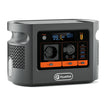
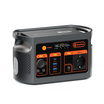
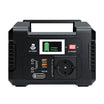
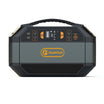
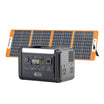
By FlashFish Miles. The image is a product illustration, not an adapter test.
Method: This guide is based on published product information and electrical-safety guidance, not a hands-on test of a particular adapter or setup.



Yorum yazın
Bu site hCaptcha ile korunuyor. Ayrıca bu site için hCaptcha Gizlilik Politikası ve Hizmet Şartları geçerlidir.