


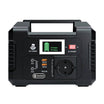


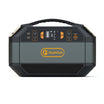
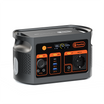


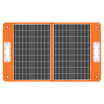
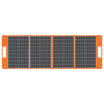


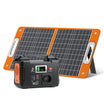
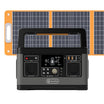
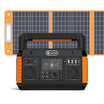
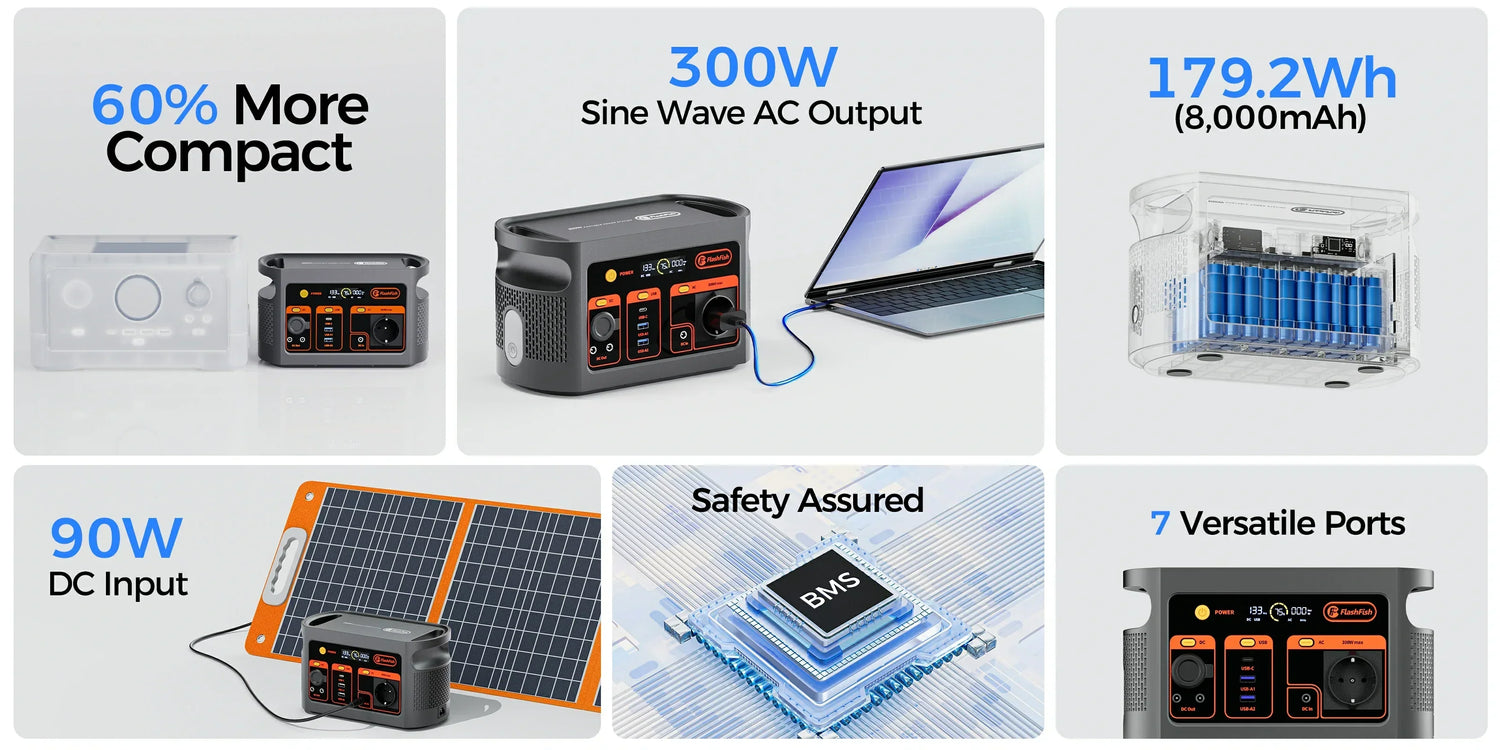
Portable Power Station Components are the silent architects of modern energy independence, transforming raw stored electricity into a safe, usable resource for our increasingly digital lives. For the uninitiated, these devices often look like simple "black boxes" with outlets, but beneath the shell lies a sophisticated ecosystem of sensors, logic gates, and power converters. Relying on a power source without understanding its internal logic is like driving a car without knowing what the dashboard lights mean—it works until it doesn't. FlashFish is a global leader in the mobile energy storage sector, dedicated to the research and development of high-performance energy solutions. Our core business revolves around engineering the perfect balance between high-capacity lithium storage and intelligent power management, ensuring that energy is not just portable, but truly "smart."
The Battery Management System (BMS): The Intelligent Guardian
The most critical of all Portable Power Station Components is the Battery Management System, or BMS. If the battery cells are the "muscles" of the device, the BMS is the "brain." It is a complex electronic circuit that monitors and manages the entire battery pack to ensure it operates within safe parameters. A high-quality BMS doesn't just watch the battery; it actively intervenes to prevent catastrophic failures.
Advantages:
- Multi-Layered Protection: Actively monitors for high-temperature spikes, low-temperature charging risks, over-voltage, and short circuits.
- Longevity Enhancement: By balancing the voltage across individual cells, the BMS prevents specific sections of the battery from aging faster than others, significantly extending the overall service life.
-
Automated Safety: In the event of an anomaly, such as an overload or a deep discharge, the BMS will instantly cut power to protect both the internal battery and the connected appliance.
Disadvantages:
-
Internal Energy Consumption: The BMS requires a constant, albeit tiny, amount of electricity to monitor the system. If a device is left in storage for months without a maintenance charge, the BMS itself can contribute to a "deep sleep" state where the battery becomes difficult to wake up.
-
Manufacturing Complexity: Designing a reliable, redundant BMS increases the overall cost and internal technical complexity of the power station.
Deciphering Backup Logic: UPS vs. EPS
When discussing backup power, two acronyms frequently appear: UPS (Uninterruptible Power Supply) and EPS (Emergency Power Supply). While they serve a similar purpose—keeping your gear running when the grid fails—the technical "how" behind them is vastly different, especially regarding transition speed.
Emergency Power Supply (EPS):
- Advantages: Highly cost-effective for residential applications and excellent for powering appliances that aren't sensitive to a brief millisecond interruption, such as refrigerators, LED lights, or fans.
- Disadvantages: Features a switching delay, typically around 20 milliseconds. For highly sensitive hardware like professional data servers or certain medical workstations, this 20ms gap can be long enough to trigger a system reboot or cause a loss of unsaved data.
Uninterruptible Power Supply (UPS):
-
Advantages: Provides a seamless transition (often cited as 0ms), meaning the connected device never "sees" the power outage. This is vital for critical medical equipment and high-performance computing environments.
-
Disadvantages: Generally requires much more expensive and bulky internal hardware, leading to a higher retail price for the end consumer.
Pure Sine Wave Inverters: The Bridge to Clean Energy
The inverter is the component responsible for converting the Direct Current (DC) stored in the battery into the Alternating Current (AC) that powers your home appliances. In the world of Portable Power Station Components, the "Pure Sine Wave" inverter is the gold standard for quality.
Advantages:
- Broad Compatibility: Provides a smooth, wave-like electrical output identical to the power from your home's wall outlet, making it safe for sensitive electronics like laptops, drones, and CPAP machines.
-
Operational Efficiency: Devices run more quietly, stay cooler, and operate with less electrical interference compared to cheaper "modified" sine wave inverters.
Disadvantages:
-
Premium Pricing: The high-quality components required to generate a perfect wave increase the price of the power station.
-
Idle Power Loss: An inverter consumes a small amount of "standby" power just by being turned on. If the AC output is left active without a load, it can slowly drain the battery even if nothing is plugged in.
FlashFish: Engineering the Future of Mobile Energy
FlashFish is not merely a manufacturer of batteries; we are architects of energy resilience. Our core business is the design and integration of state-of-the-art storage technologies that solve the "unreliability" of off-grid life. We specialize in the synergy between high-cycle LiFePO4 chemistry and intelligent software management. By focusing on the microscopic details of BMS logic and the efficiency of Pure Sine Wave conversion, we provide the infrastructure for a life without boundaries. Our commitment is to ensure that when you carry a FlashFish device, you are carrying a professional-grade power grid that is as smart as it is powerful.



Leave a comment
This site is protected by hCaptcha and the hCaptcha Privacy Policy and Terms of Service apply.