

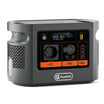
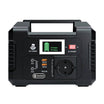

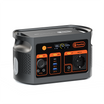






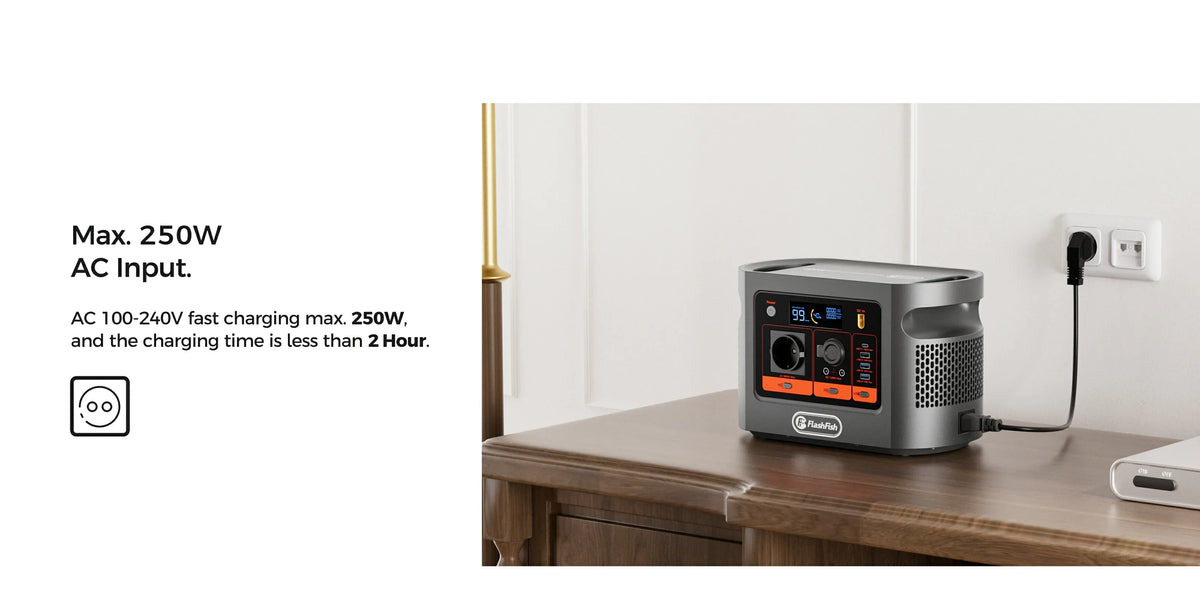
Short answer: measure the complete recharge session at the wall in kilowatt-hours, then multiply by the electricity price that applied during that session. The formula is measured wall kWh × tariff €/kWh = recharge electricity cost. Battery capacity in Wh and charger power in W are not substitutes for the meter reading.
Use METER-TARIFF-COST: define the measurement boundary, choose the correct contract rate, calculate before rounding and record the starting/ending charge state. That produces a repeatable estimate instead of a brand claim.
Three illustrated cost examples
Assume a plug-in meter records 0.45kWh for one complete, defined session. These are arithmetic examples—not an E106B test or a European tariff forecast.
| Illustrative tariff | Calculation | Rounded session cost |
|---|---|---|
| €0.15/kWh | 0.45 × €0.15 = €0.0675 | €0.07 |
| €0.30/kWh | 0.45 × €0.30 = €0.135 | €0.14 |
| €0.45/kWh | 0.45 × €0.45 = €0.2025 | €0.20 |
The 2025-S2 Eurostat EU household average was €28.96 per 100kWh, or €0.2896/kWh. It is useful context, but Eurostat also shows substantial national variation. Your bill and time band should control the calculation.
Why nominal battery Wh is not wall kWh
FlashFish E106B is a bounded example: its authoritative record lists 384Wh nominal battery energy, equal to 0.384kWh as a unit conversion. Multiplying 0.384kWh by a tariff describes only a nominal-energy arithmetic reference. It is not the measured electricity purchased from the wall because charging electronics, battery management, temperature, standby time and the chosen start/end state affect the session.
Likewise, a charger's watt figure is a rate ceiling or observed rate, not accumulated energy. A 250W reading sustained for only part of a tapering charge cannot be multiplied by an assumed duration unless that duration and the entire curve were measured.
The METER-TARIFF-COST method
- Meter: place a correctly rated plug-in energy meter between the wall outlet and the station's supplied AC charger. Follow the meter and station instructions.
- Boundary: record the station's starting charge state, disconnect unrelated loads and decide the ending state. Include the complete session, not a convenient middle segment.
- Tariff: copy the applicable €/kWh from the contract or bill. For a dynamic or time-of-use plan, use the actual interval prices or a supplier session total.
- Cost: multiply measured kWh by €/kWh. Add a session fee only when the contract or charging location actually applies one.
- Record: note date, room conditions, charge mode, start/end state, meter model, wall kWh and tariff basis so a later comparison uses the same boundary.
Bounded product example: Review E106B's documented energy and charging inputs, then keep its nominal 384Wh separate from your measured wall kWh.
What belongs in the tariff
The European Commission notes that bills can contain energy, network, tax and levy components and that contracts may be fixed, variable or dynamic. For a practical household estimate, use the per-kWh rate that the supplier applies to the measured interval. If a bill has standing charges paid regardless of the session, do not allocate the whole monthly fixed amount to one recharge unless your chosen accounting method explicitly does so.
Common calculation errors
- Using nominal battery Wh as if it were metered wall energy.
- Using the charger's maximum watts as if the same rate continues for the complete session.
- Applying an EU or national average to a specific household without labeling the mismatch.
- Comparing sessions with different starting/ending charge states or simultaneous loads.
- Rounding each intermediate step so aggressively that small session costs become distorted.
When this method fits
- You can meter the supplied AC-charging path over a clearly defined session.
- You know the applicable per-kWh tariff or can retrieve the actual dynamic-rate intervals.
- You want a repeatable electricity-cost figure rather than a full ownership-cost or solar-payback model.
When it does not fit
- The meter is not rated or approved for the local socket and load.
- The session mixes station charging with another appliance or omits an unknown portion of the charge.
- The goal is battery health, delivered AC energy, appliance runtime, solar payback or total cost of ownership; each needs additional evidence and a different boundary.
Frequently asked questions
What is the simplest recharge-cost formula?
Multiply the complete session's measured wall energy in kWh by the tariff in euros per kWh that applied during that session. Add a fixed session fee only if the contract or charging location actually charges one.
Can I use the battery's Wh rating instead of a wall meter?
Not for an exact cost. Nominal battery Wh describes stored-energy capacity, while wall energy also reflects conversion losses, battery-management behaviour, standby time and the starting and ending state of charge.
Can charger watts tell me the final cost?
No. Watts are a rate at a moment; cost depends on accumulated kWh over the complete session and the tariff that applies.
Should I use the EU average electricity price?
Use it only as clearly dated context. Your supplier, country, consumption band, taxes and time-of-use contract can produce a materially different price.
How should I compare AC and solar charging cost?
Keep the accounting boundaries consistent. AC charging can be measured at the wall; solar comparisons may need equipment cost, usable solar energy, location and time horizon. This article does not promise solar payback.
Sources and evidence limits
Checked 12 October 2026. Eurostat supplies the dated 2025-S2 EU average and country-level dataset; the European Commission explains bill components and contract types; Brennenstuhl supplies one official plug-in-meter example. E106B's 384Wh comes from the authoritative local record and current Europe page. FlashFish publishes this guide. No E106B recharge session, charging efficiency, tariff, runtime, solar output or ownership cost was measured for the article, and the image is AC-charging context rather than metering evidence.




Leave a comment
This site is protected by hCaptcha and the hCaptcha Privacy Policy and Terms of Service apply.