







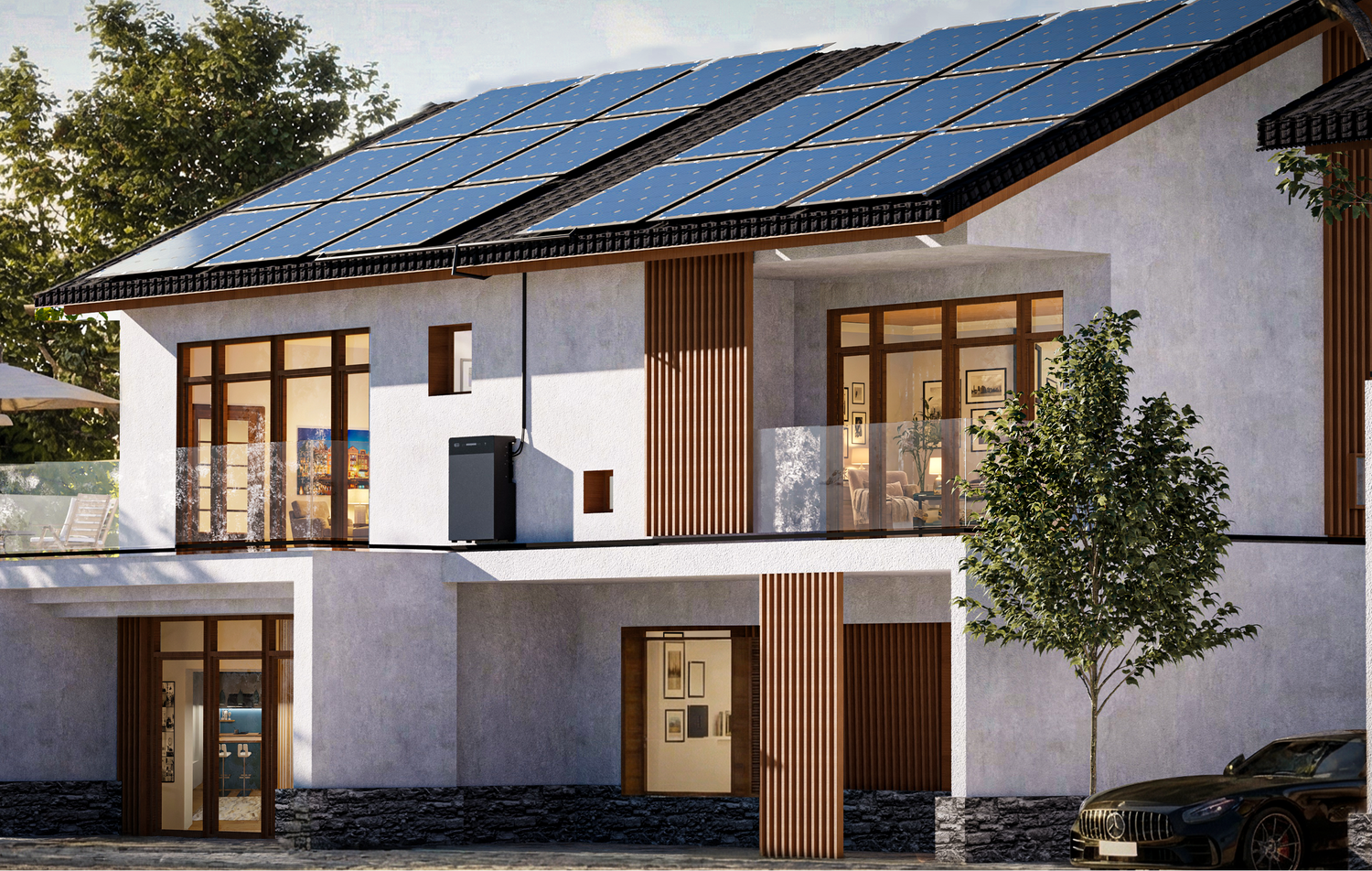
Short answer: Balcony solar storage combines solar generation with a battery so electricity collected during daylight hours can be kept for later household use. For European households, a suitable choice depends on capacity, solar input, installation conditions, monitoring features, and the connection requirements that apply in your country.
Solar-plus-storage is a current European energy topic. The European Commission's solar energy overview notes that solar panels can be installed on buildings, including balconies, and that generated electricity can be stored locally in batteries for later use. In May 2026, SolarPower Europe also highlighted storage and flexibility in its discussion of Europe's solar transition.
What Does Balcony Solar Storage Do?
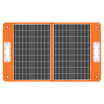
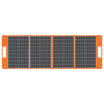
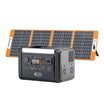
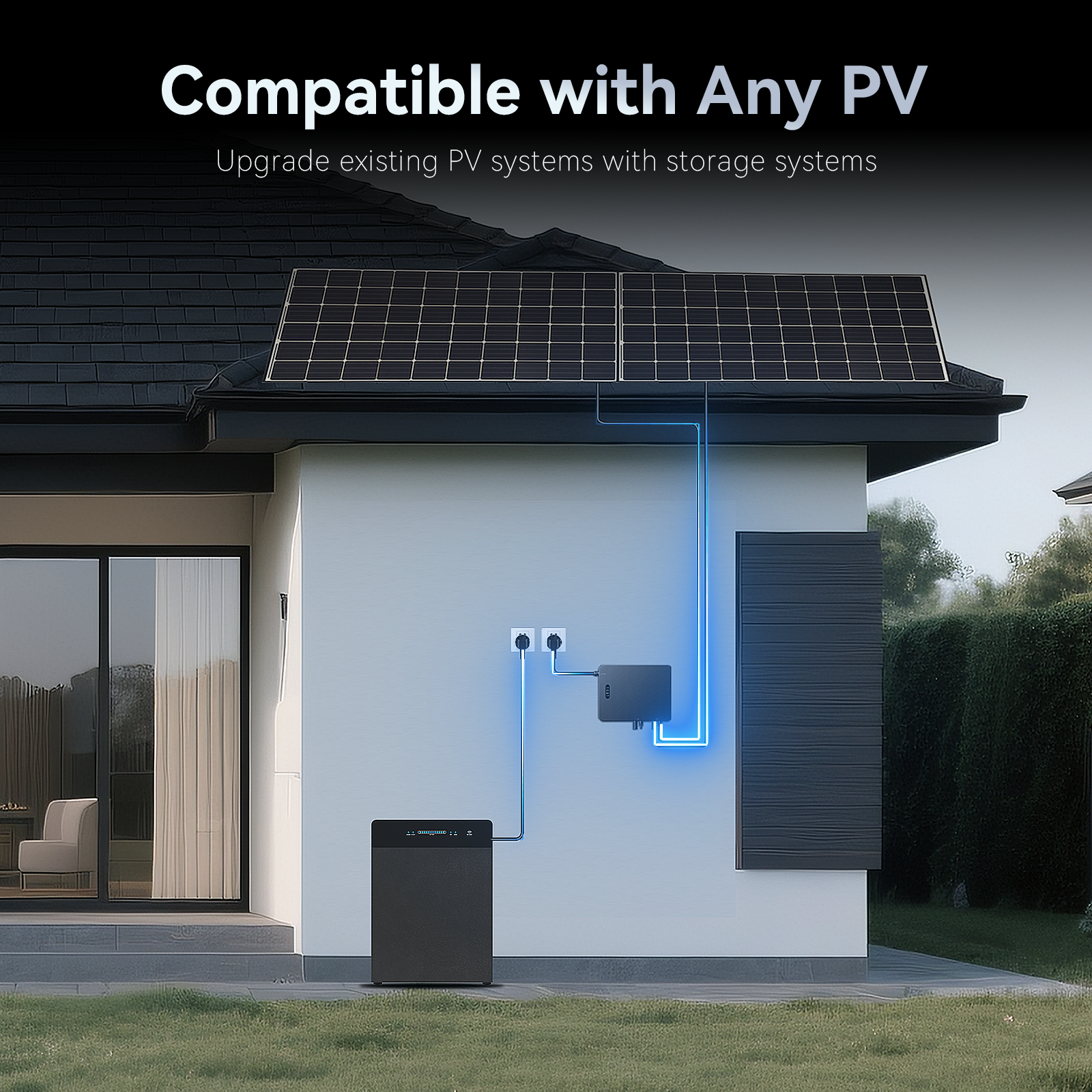
A balcony solar storage setup is designed to collect energy from compatible solar panels, store available electricity in a battery, and make stored energy available later according to the system design. It may help households use more of their own generated electricity, but connection, installation and permitted feed-in arrangements can differ by country and household setup.
Five Checks Before Choosing a System
| What to check | Why it matters | What to verify |
|---|---|---|
| Battery capacity | Capacity affects how much collected electricity may be stored for later use. | Published usable capacity and how it fits your expected loads. |
| Solar input | Input limits affect the compatible solar-array size and charging design. | PV input voltage, current and maximum wattage before connecting panels. |
| Placement and protection | Balcony or outdoor-adjacent placement can involve changing weather conditions. | Environmental ratings, temperature range and installation instructions. |
| Monitoring and controls | Monitoring can help users understand stored energy and household use. | Available app or connectivity functions and supported operating modes. |
| Local connection requirements | Solar and storage connection rules may vary around Europe. | Applicable local rules and whether professional installation or registration is required. |
Reviewing the FlashFish SR5000 Published Specifications
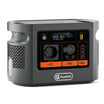
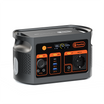
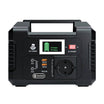
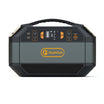
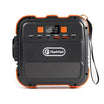
For shoppers investigating this category, the FlashFish SR5000 Balcony Solar Storage System product page lists a 5.12 kWh LiFePO4 battery capacity, up to 2,000 W PV input, an IP65 protection rating, and Wi-Fi/Bluetooth/RS485 connectivity. These are FlashFish-published specifications to review when comparing capacity, solar input and placement considerations.
Before choosing any balcony solar storage system, confirm that its electrical connections, intended operating mode and installation approach are suitable for your household and comply with the requirements that apply where you live.
Why This Topic Matters Now
European solar discussions increasingly include storage and flexible energy use. For buyers, clear comparison criteria are more useful than broad promises: understand the published specifications, confirm suitability for the intended setup and check applicable local requirements.
Frequently Asked Questions
What is balcony solar storage?
It is a solar-and-battery setup intended to store electricity generated by compatible solar panels for later household use, according to the system design and local connection requirements.
What specifications should I compare first?
Start with battery capacity, PV input range and maximum input, placement or environmental protection, monitoring functions, and the installation or grid-connection requirements that apply locally.
Does one setup work the same way across every European country?
No universal assumption should be made. Requirements for connecting and using solar or storage equipment can vary by country and installation, so buyers should check applicable local guidance before installation.
Explore Balcony Solar Storage From FlashFish
Compare the published specifications of the FlashFish SR5000 Balcony Solar Storage System and consider the capacity, solar input and placement requirements relevant to your home.
Sources consulted for this draft: European Commission: Solar energy; SolarPower Europe, 15 May 2026; and the FlashFish SR5000 public product page, checked 27 May 2026. Product details and applicable local requirements should be reviewed before use.




Leave a comment
This site is protected by hCaptcha and the hCaptcha Privacy Policy and Terms of Service apply.