








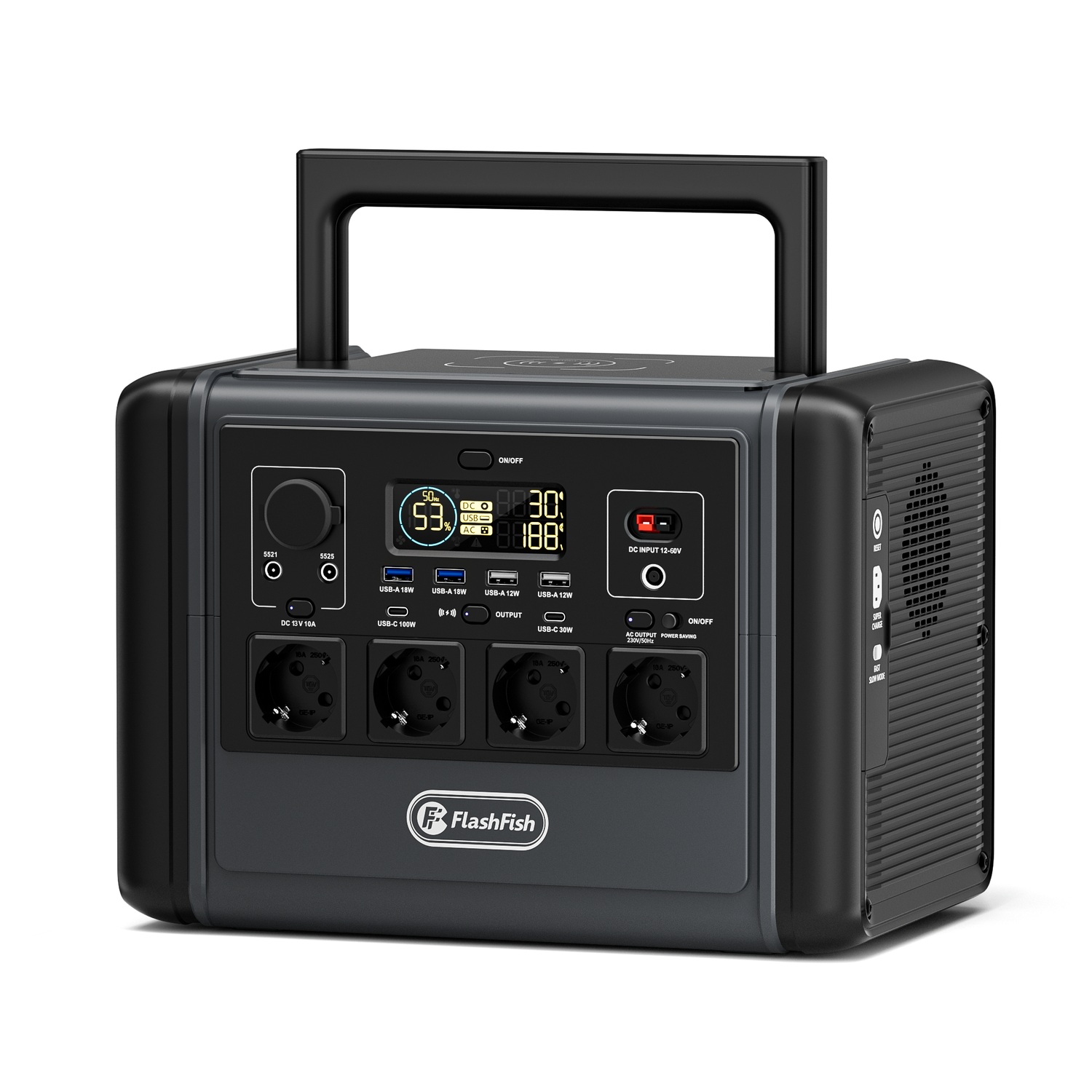
Short answer: inverter efficiency matters because many portable power stations store energy as DC battery power but supply household sockets as AC power. That conversion uses some energy, so real runtime is normally lower than a simple rated Wh divided by appliance watts calculation.
This is why a 768Wh or 1536Wh power station should not be treated as if every watt-hour will reach an AC appliance. A better estimate uses the appliance watt label, the station's continuous output rating, a conversion-loss margin, and the practical limits of the battery-management system.
Why this matters before buying
European buyers often compare portable power stations by capacity first. Capacity is important, but it is not the full decision. If the main devices are laptops, phones, routers or USB-C equipment, DC or USB-C output may be more efficient and simpler than running a wall charger from the AC inverter. If the main device is a 230V appliance, the inverter rating and conversion loss become central.
The core idea: Wh, W and conversion loss
Watt-hours describe stored energy. Watts describe the rate at which a device uses power. In a simple paper estimate, runtime equals battery Wh divided by device W. Real use needs an adjustment because the station may lose energy in DC-to-AC conversion, standby operation, cable losses and temperature conditions.
| Question | Why it matters | Practical check |
|---|---|---|
| Is the device AC or DC? | AC use normally requires the inverter. | Use AC only when the device requires it. |
| What is the continuous watt draw? | This affects runtime and whether the inverter is sized correctly. | Check the device label or charger label. |
| Is there startup power? | Compressors and motors can draw more at startup. | Compare against continuous and peak output. |
| Is the load very small? | A small load on a large inverter can still have standby overhead. | Use USB-C/DC where suitable. |
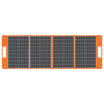
| Will solar be used? | Solar recovery varies by location, season and angle. | Use conservative PVGIS-style planning. |
A practical runtime example
If a router setup draws 20W and a laptop charger averages 60W, the combined load is about 80W before conversion loss. A user should not divide rated capacity by 80W and expect an exact result. Instead, calculate a range, leave margin for inverter loss and standby consumption, and test the actual setup before depending on it.
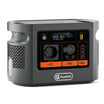
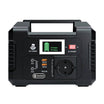
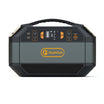
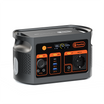
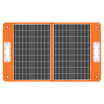
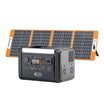
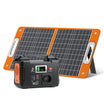
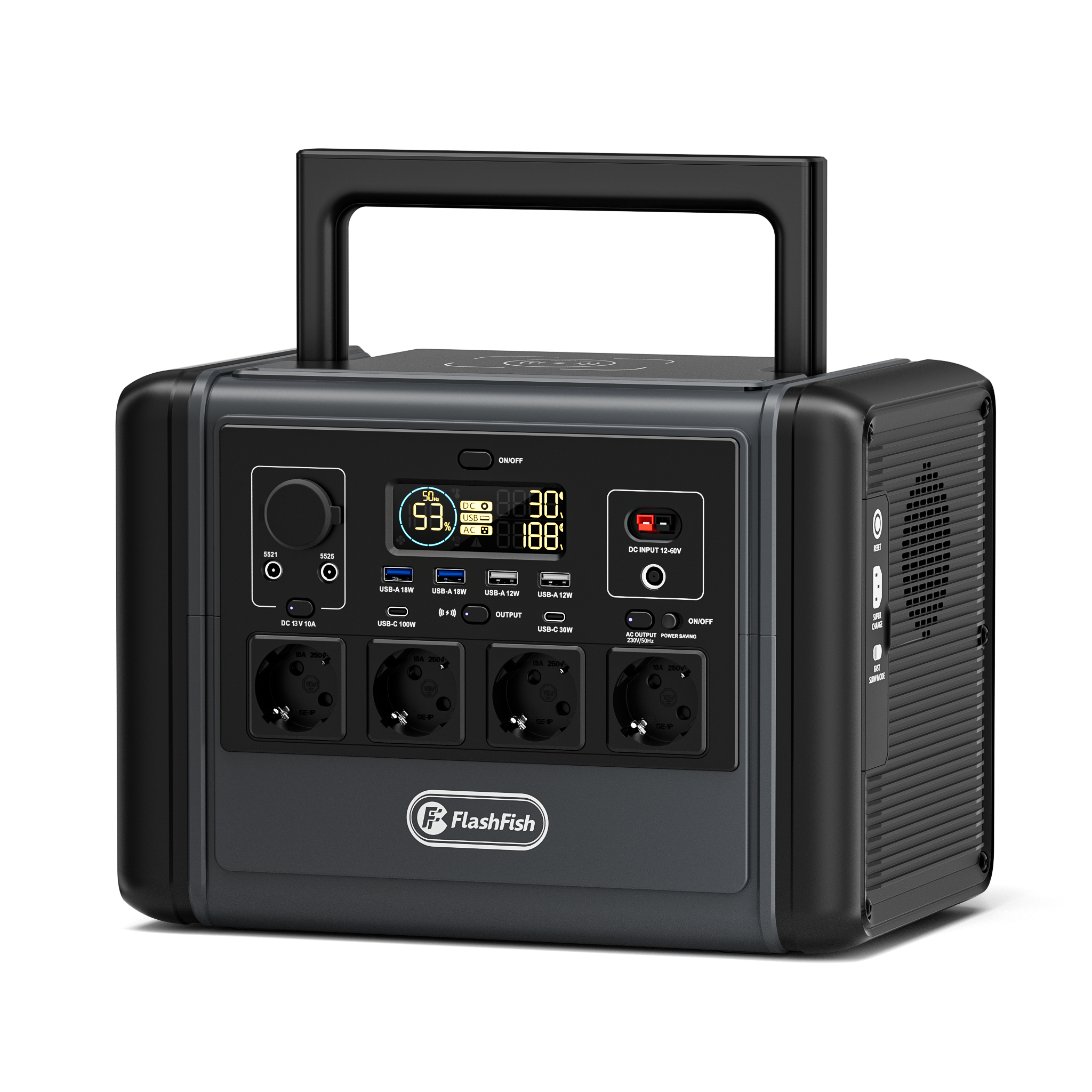
For users comparing FlashFish models, the same logic applies to compact and larger stations. The FlashFish T1200S is listed in the FlashFish product specifications as 768Wh with 1200W continuous AC output. The FlashFish T2000 is listed as 1536Wh with 2000W continuous AC output. Those figures help screen load fit, but they do not create a fixed runtime for every appliance.
Common mistakes
- Using rated Wh as if it were fully delivered to every AC appliance.
- Ignoring inverter standby consumption for small loads.
- Confusing continuous output with peak output.
- Assuming a solar panel will deliver its nameplate wattage all day.
- Forgetting that chargers, cables and extension leads also have ratings.
Buyer checklist
- List every device you want to run.
- Write down each watt label or charger output.
- Decide whether each device can use USB-C/DC or must use AC.
- Compare the total load with continuous AC output, not only peak output.
- Add a conversion-loss margin before estimating runtime.
- Check solar input only as a recovery estimate, not as a promised refill time.
Safety note
Do not overload sockets, adapters or extension leads. Electrical Safety First advises users to avoid unsafe socket loading and to check appliance ratings. For battery devices, keep ventilation clear, avoid damaged cables and follow the manufacturer's manual.
FAQ
Does inverter efficiency reduce portable power station runtime?
Yes. When a battery powers AC devices through an inverter, some energy is used during conversion, so real runtime is lower than rated Wh divided by device watts.
Is DC output usually more efficient than AC output?
Often yes for compatible low-voltage devices, because DC output may avoid one AC inverter conversion step. Users still need to check voltage, connector and device requirements.
Should I calculate runtime with 100 percent usable capacity?
No. A practical estimate should leave room for conversion loss, standby use, temperature and battery-management limits.
Does a larger inverter always mean better efficiency?
No. Inverter size, load level and design all matter. A very small load on a large inverter may still consume standby power.
How can buyers compare inverter-related specs?
Compare rated capacity, continuous AC output, peak output, solar input, USB-C/DC options, weight and the actual watt label of the devices they want to run.
Sources and further reading
- U.S. Department of Energy: Solar Integration, Inverters, and Grid Services Basics - used for inverter DC/AC context.
- Penn State EME 812: Inverter Efficiency - used for inverter efficiency and standby-loss context.
- Electrical Safety First: Overloading sockets - used for socket and extension-lead caution.
- European Commission JRC PVGIS - used for solar variability context.
- FlashFish product specifications, accessed 2026-06-25: T1200S and T2000 capacity/output facts.
If you are comparing models, start with your real watt list and then review the FlashFish portable power station collection against those numbers.




Dejar un comentario
Este sitio está protegido por hCaptcha y se aplican la Política de privacidad de hCaptcha y los Términos del servicio.