








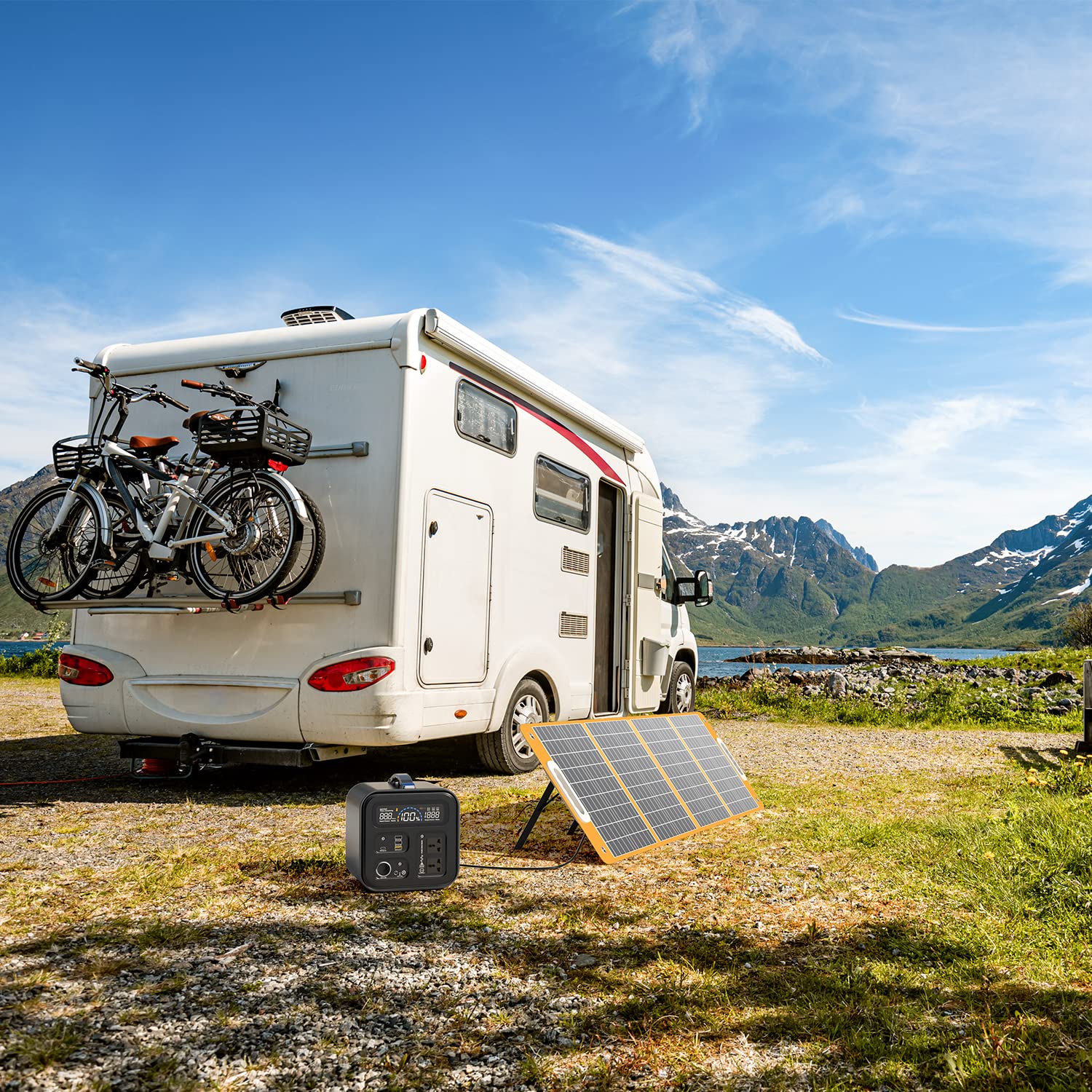
Portable Solar Panels for Power Stations: What Public Reviews Show in 2026
Short answer: the clearest pattern in current public reviews is that portable solar panels work best when buyers stop chasing headline wattage alone and start matching the panel to the station, trip length and carry style. For compact stations, a 60W foldable panel can be enough for light recovery. For more reliable daytime charging, especially with medium-capacity stations, 100W is the more forgiving starting point.
This roundup is built from current public review coverage and indexed video-style testing patterns. Direct video metadata was uneven in this environment, but the same lessons showed up repeatedly across public review pages: panel size matters, setup friction matters, and real outdoor output is always lower than the label suggests.
What current public reviews keep emphasizing
- Hands-on reviewers care more about real recovery during the day than about theoretical peak wattage.
- Compact kits win when buyers value easier carrying and faster setup over maximum output.
- 100W-class panels stay popular because they balance portability with meaningfully better charging for medium stations.
- Weather, shade and angle are still the biggest reason real charging feels slower than shoppers expect.
60W vs 100W: the decision most buyers actually face
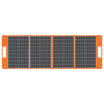
| Question | 60W foldable panel | 100W foldable panel | FlashFish example |
|---|---|---|---|
| Best for | Small stations, lighter packing, phone and camera support | Medium stations, stronger daytime recovery, longer weekends | Portable solar panel collection |
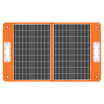
| Carry trade-off | Easier to move and store | Bulkier but more forgiving on cloudy or shorter solar windows | TSP60 vs TSP100 |
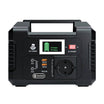
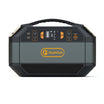
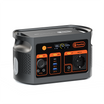
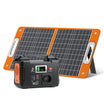
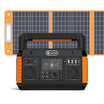
| Typical pairing logic | Compact power station or light kit | Medium station or all-in-one weekend kit | E200 + TSP60 vs P63 + TSP100 |
Why this matters for YouTube-style review watching
Public review and demo content often makes one thing look simple: place the panel in the sun and watch the station fill up. The more useful takeaway is what happens around that demo. How fast was the setup? How often did the reviewer reposition the panel? Was the station small enough that a modest panel still felt useful? Those details tell you whether a panel is a practical match for your routine.
That is also why broad listicles can mislead. The biggest panel is not automatically the best panel if it makes your camping kit awkward, or if your station is too small to justify the added bulk.
What buyers should learn from current competitor visibility
EcoFlow, Jackery, Anker SOLIX and BLUETTI still dominate public review attention. In category pages and review roundups, the strongest recurring themes are portability, input compatibility, charge recovery and whether the kit actually feels pleasant to carry and deploy. That opens a clear content gap for FlashFish: practical pairing advice for smaller and mid-sized kits without defaulting to the largest premium systems.
A better way to choose a panel
- Pick the power station first, or at least the battery-size range you need.
- Match the panel class to the station and the trip style.
- Choose a pre-matched kit if you do not want to troubleshoot cables and compatibility.
- Judge panels by usable recovery over a day, not by lab-style peak numbers alone.
Which FlashFish options make the most sense?
If you want the lightest practical entry point, start with the FlashFish TSP60 or a compact kit such as the E200 + TSP60. If you want more confident weekend recovery, the TSP100 and the P63 + TSP100 are the stronger comparison point. For larger LFP kits, the T300PRO + TSP100 gives a clean current-range example.
FAQ
Is a 100W panel always better than a 60W panel?
Not always. A 100W panel usually gives better recovery, but it also adds bulk. For lighter packing and smaller stations, a 60W panel can be the better overall fit.
Should I trust video reviews or written reviews more?
Use both. Video is useful for setup, size and portability. Written reviews often make it easier to compare specs, caveats and product positioning across several models.
What is the safest first purchase for a new buyer?
A matched solar generator kit is usually safer than mixing separate components on day one, especially if you want to avoid connector and compatibility mistakes.
Sources used for editorial context: Power Ready's public panel roundup, TechRadar's Jackery solar generator review, and TechRadar's 2026 category roundup. Human reviewer: verify all product availability, review-date freshness, and that no public-review observation is presented as FlashFish test data.



Dejar un comentario
Este sitio está protegido por hCaptcha y se aplican la Política de privacidad de hCaptcha y los Términos del servicio.