

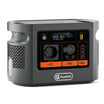
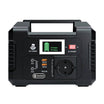

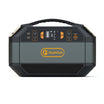
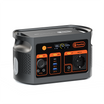


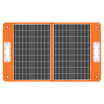
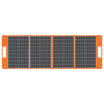


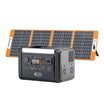

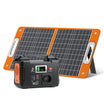


Short answer: charging and discarging are different operating states, so they can have different temperature limits. A portable power station may be allowed to power a load below 0 degrees Celsius while charging is not permitted there. Read the exact model's separate charge, discharge and storage ranges. Do not treat “the unit still turns on” as permission to connect a charger or solar panel.
Health Canada advises charging lithium-ion batteries according to manufacturer instructions, at room temperature, and not attempting to charge them below zero. Model manuals add the specific boundaries. This article uses FlashFish T1200S and T2000 records as worked examples; it does not turn those figures into a rule for every battery.
One product can have three different temperature ranges
| Range | Question it answers | What it does not answer |
|---|---|---|
| Charging | May the battery accept energy from AC, DC, car or solar input? | Whether it can power an appliance at that temperature |
| Discharging | May the battery deliver energy to AC, DC or USB loads? | Whether connecting a charger is permitted |
| Storage | May the switched-off product be kept in that environment? | Whether immediate charging or heavy loading is appropriate |
These labels describe different questions. Storage is not active use. Discharging is not charging. The ambient reading on a wall thermometer may also differ from the temperature inside a battery that has just arrived from a cold vehicle or has been working under a large load.
Why charging deserves the tighter check
Lithium-ion charging involves moving and storing lithium within the cell. Low temperature changes that process, while high temperature can add thermal stress. Product designers therefore define a charge window and use a battery-management system to stop or limit input outside expected conditions.
A protection message is a stop signal, not an obstacle to work around. Do not repeatedly reconnect the charger, warm the unit with a heater, wrap it in bedding or place it in direct sun to force charging. Move it to a dry, moderate environment and follow the manual. If it is damaged, swollen, wet, unusually hot, producing an odour or showing repeated warnings, isolate it from use as the manufacturer directs and contact support.
Worked examples: T1200S and T2000
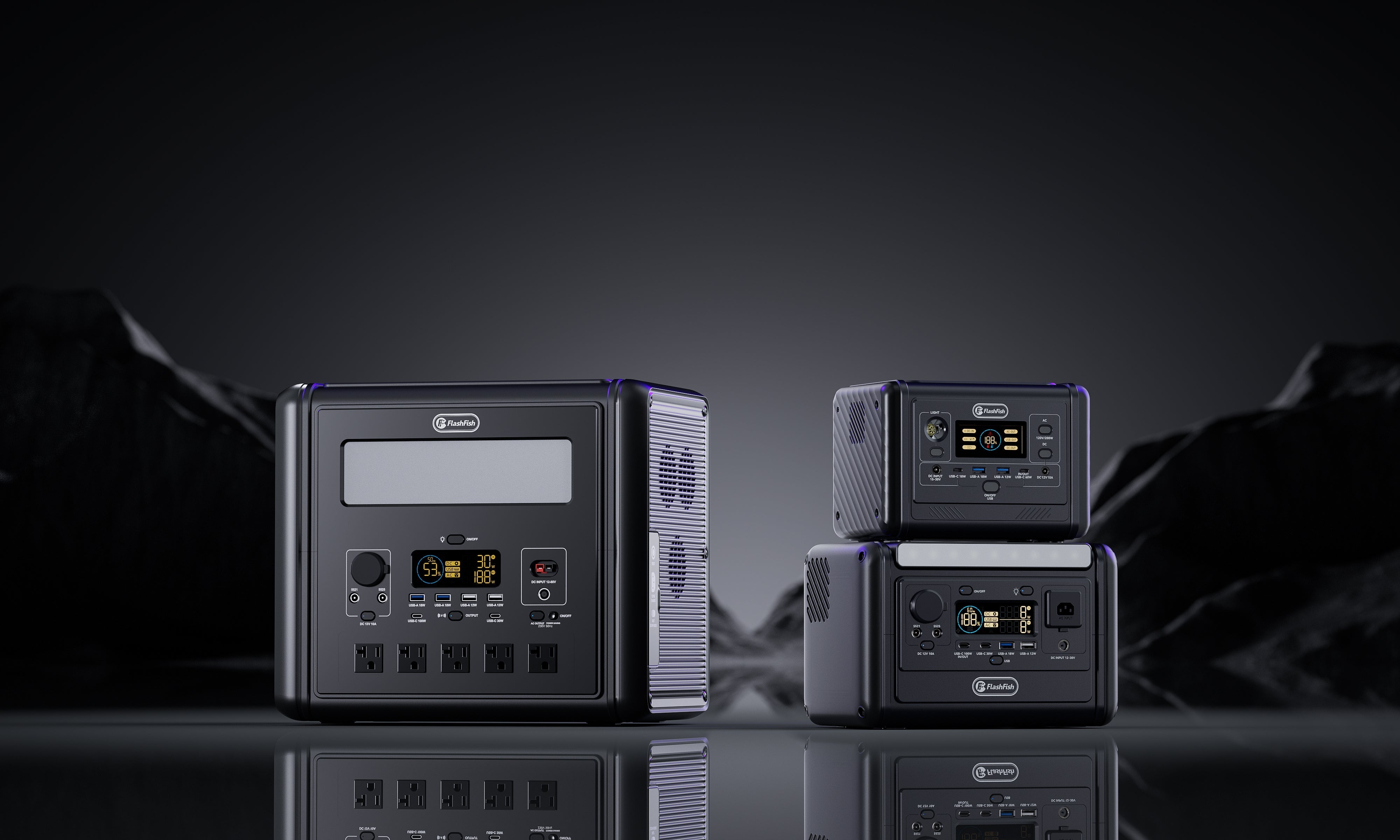
The local FlashFish product database contains manual-derived environment records for these models. They must still be matched to the current Europe manual and the label on the actual unit before publication or use.
| Model | Charging | Discharging | Storage | Optimal range listed |
|---|---|---|---|---|
| T1200S | 0 to 40 degrees Celsius | -20 to 40 degrees Celsius | -20 to 40 degrees Celsius | 20 to 30 degrees Celsius |
| T2000 | 0 to 45 degrees Celsius | -20 to 45 degrees Celsius | -20 to 40 degrees Celsius | 20 to 30 degrees Celsius |
The important observation is not that one model reaches a higher number. It is that both local records permit discharge below the lower charging boundary. If a T1200S is powering a low-temperature load at -5 degrees Celsius, that does not mean solar or AC input should be connected there.
Temperature limits are only one gate. Output power, ventilation, moisture, cable condition, appliance startup demand and remaining capacity still matter. The local product database lists the T1200S at 768Wh and 1,200W continuous AC output, and the T2000 at 1,536Wh and 2,000W. Those figures do not override environmental limits.
Moving a cold or hot station before charging
- Disconnect input and unnecessary loads. Follow the shutdown sequence in the exact manual.
- Move to a dry, ventilated, moderate room. Keep the station away from direct heaters, fires, hot-air outlets and direct sun.
- Allow the complete unit to equalise. There is no universal number of minutes because unit mass, starting temperature and airflow differ.
- Check for condensation. Moisture can form when a cold object enters warm humid air. Do not connect power while moisture is present.
- Inspect and read the display. Look for damage, unusual odour, warning icons or an abnormal enclosure temperature.
- Charge only inside the documented range. If the warning persists, stop and contact product support rather than cycling the input.
Ambient temperature is not always battery temperature
A room thermometer is useful context, but it cannot see the internal cell temperature. A large power station carried in from a cold car may remain cold inside after its case feels less cold. A station that has just run a demanding appliance may remain warm after the room cools.
This is why a fixed “wait 30 minutes” instruction is weak. The safer decision uses the manual, device warning state, dry condition and enough time for the full unit to return to a permitted range. Some models may control charging automatically, but automatic protection is not a reason to ignore the specified environment.
RANGE pre-charge checklist
- R - Read the exact manual: identify separate charge, discharge and storage limits.
- A - Acclimatise the full unit: use a dry, moderate space without rapid external heating.
- N - No moisture or damage: inspect the enclosure, ports, cable and plug.
- G - Give warnings priority: stop for temperature, battery or input alerts.
- E - Enter charge mode only inside range: verify the model and current conditions first.
When FlashFish fits and when it does not
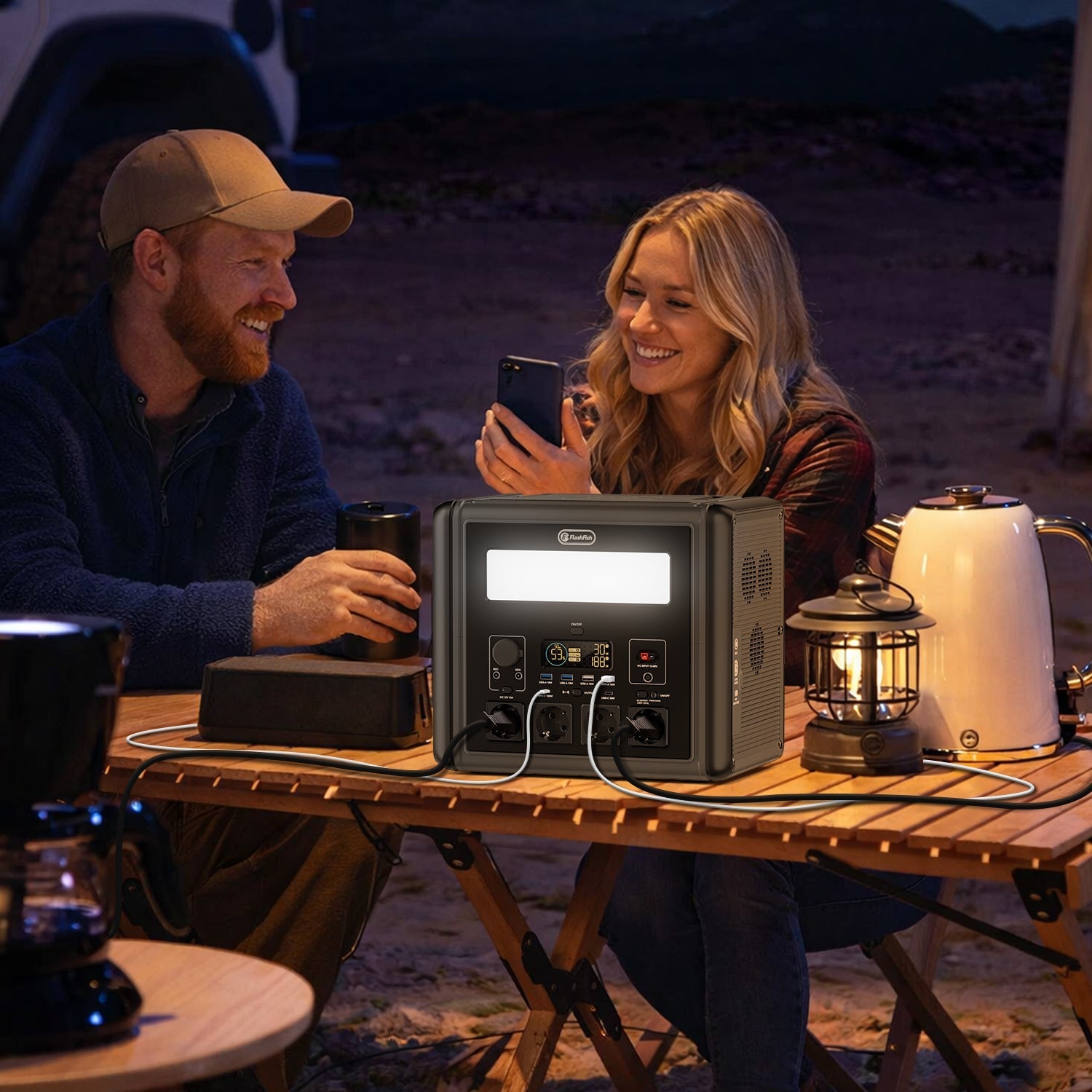
A T1200S or T2000 may fit a cold-season plan when its capacity and output suit the selected loads, the unit is operated within its current regional manual, and charging can occur in a dry permitted environment. A larger battery does not remove the temperature check.
Do not use either model when the plan requires charging outside the documented range, relies on direct heating of the enclosure, ignores condensation, or treats repeated protection shutdowns as normal. Choose from the portable power station collection only after load and environmental checks are complete.
Frequently asked questions
Can I charge a portable power station below zero?
Use the exact model manual. General lithium-ion guidance says not to attempt charging below zero, and the local T1200S and T2000 records both start their charging ranges at 0 degrees Celsius.
Why is the discharge range wider than the charging range?
They are different electrochemical operations. A battery-management system and manual may permit output at a temperature where accepting input is not permitted.
How long should a cold station warm up?
There is no universal wait time. Let the complete unit reach a dry, permitted condition without rapid heating, then check the manual, display and ports before connecting input.
Does sunlight make a cold station ready to charge?
Not by itself. Sun can heat the case unevenly and does not establish the internal battery temperature. Use the documented range and device status.
Is the storage temperature range also the operating range?
No. Storage, charging and discharging are separate states. Use the documented range for the activity you intend to perform.
Sources and evidence limits
- Health Canada lithium-ion battery safety - room-temperature charging, below-zero and damage guidance.
- FlashFish product-source bundle - manual-derived T1200S and T2000 environment records.
- FlashFish T1200S and T2000 Europe pages - current product context.
No temperature-controlled product test was performed. Confirm the current Europe manual and actual unit label before publication and use.



Laat een reactie achter
Deze site wordt beschermd door hCaptcha en het privacybeleid en de servicevoorwaarden van hCaptcha zijn van toepassing.