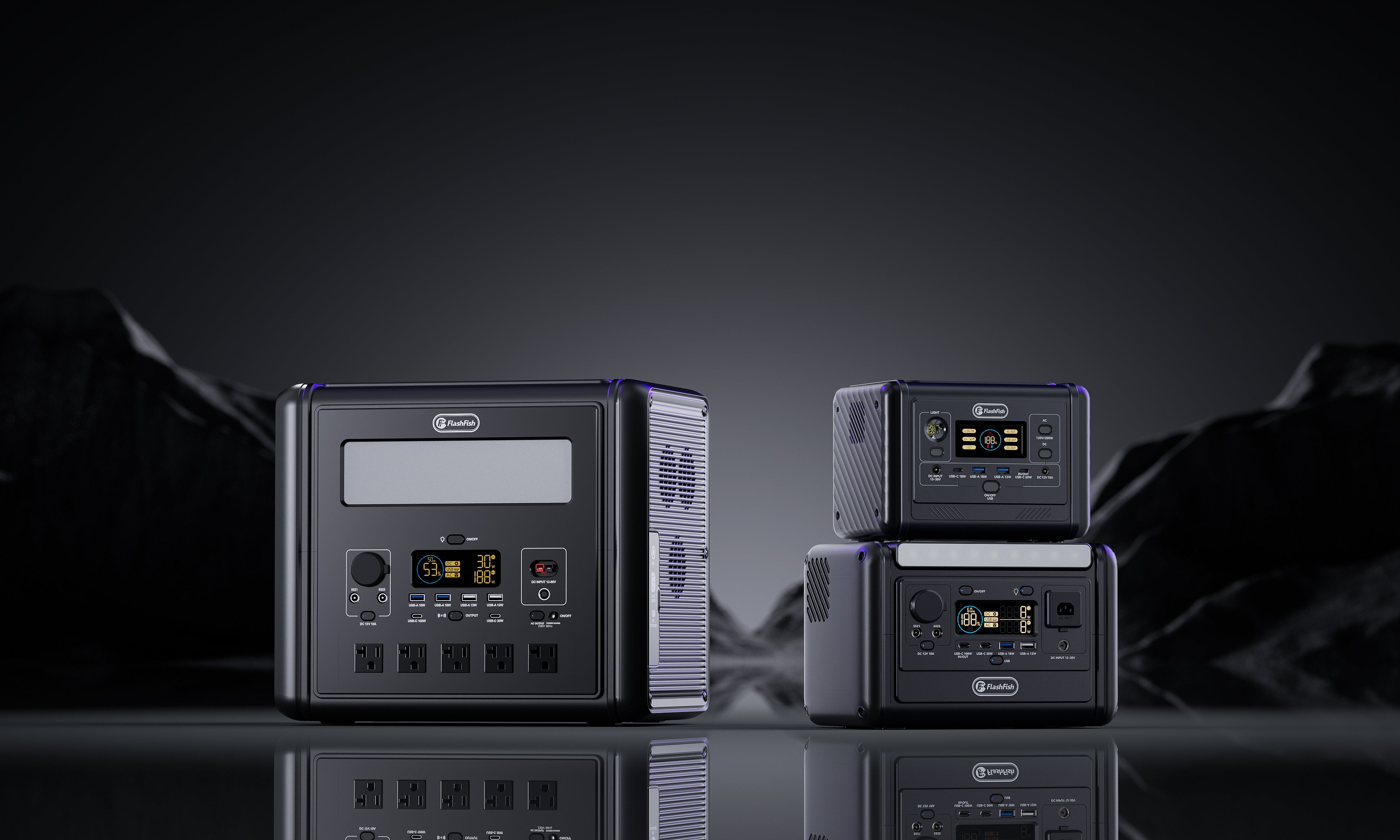
Portable Power Station C-Rate Explained for Buyers
The RATE method separates battery current from AC watts and explains why capacity, voltage, BMS, inverter and manufacturer limits must not be collapsed into one C-rate shortcut.
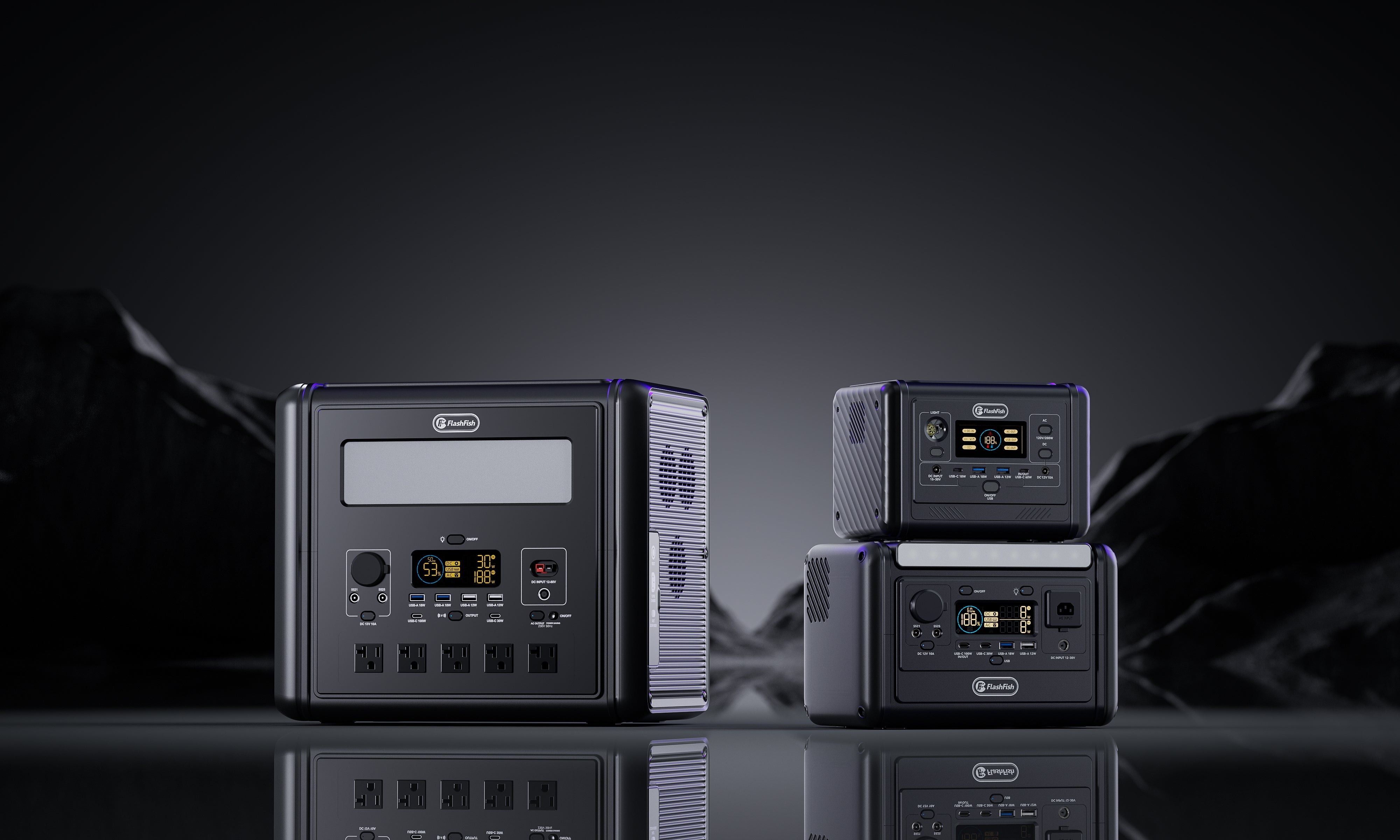
How to Measure Appliance Energy Before Buying a Power Station
The METER method turns a suitable plug-in energy meter into a repeatable buyer record: operating mode, equipment chain, timed Wh, event peaks, repeat runs and reserve—without claiming that one read...
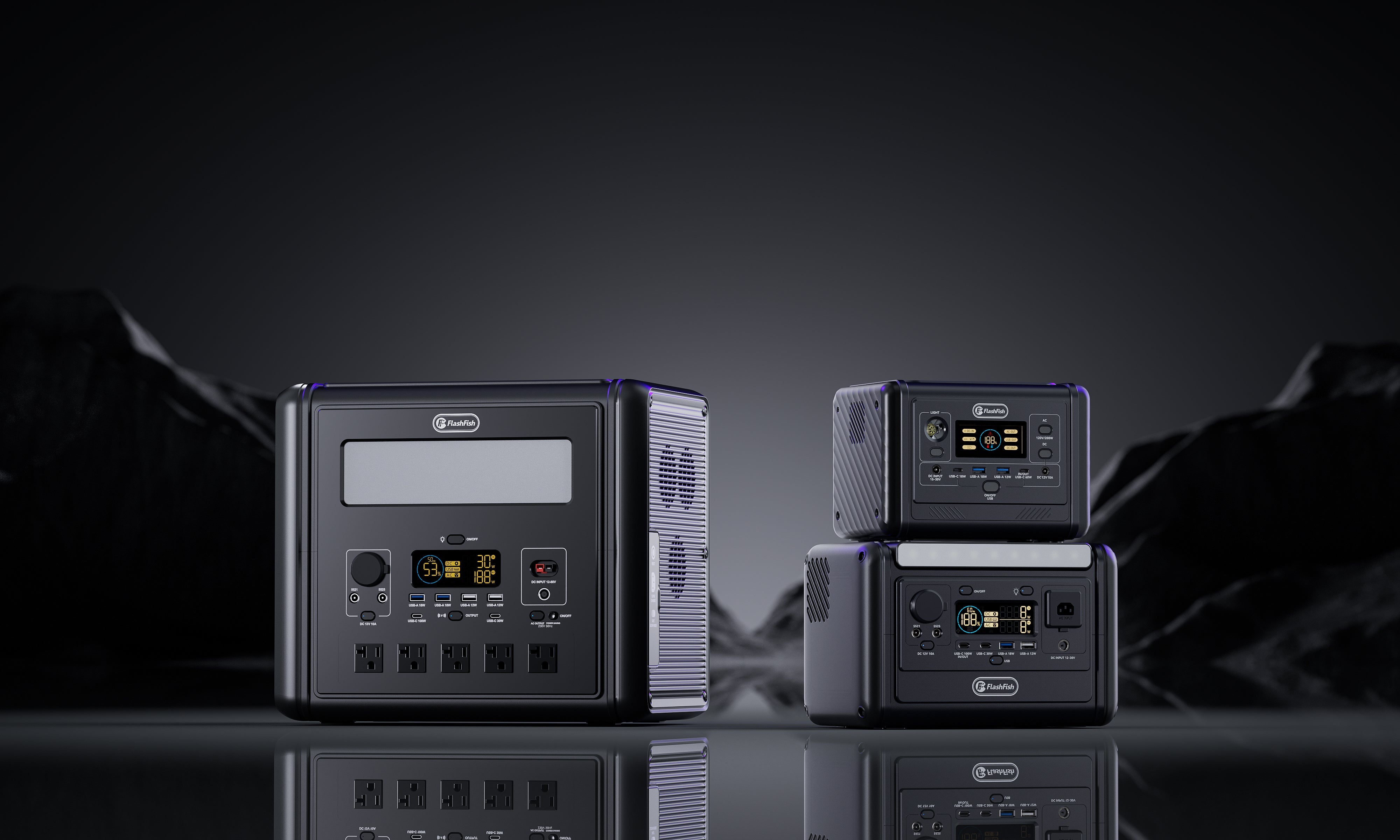
RCD and Earthing Checks for Portable Power Stations
The EARTH method separates appliance class, source topology, RCD behaviour, environment and qualified review so a familiar socket is never mistaken for complete fault protection.
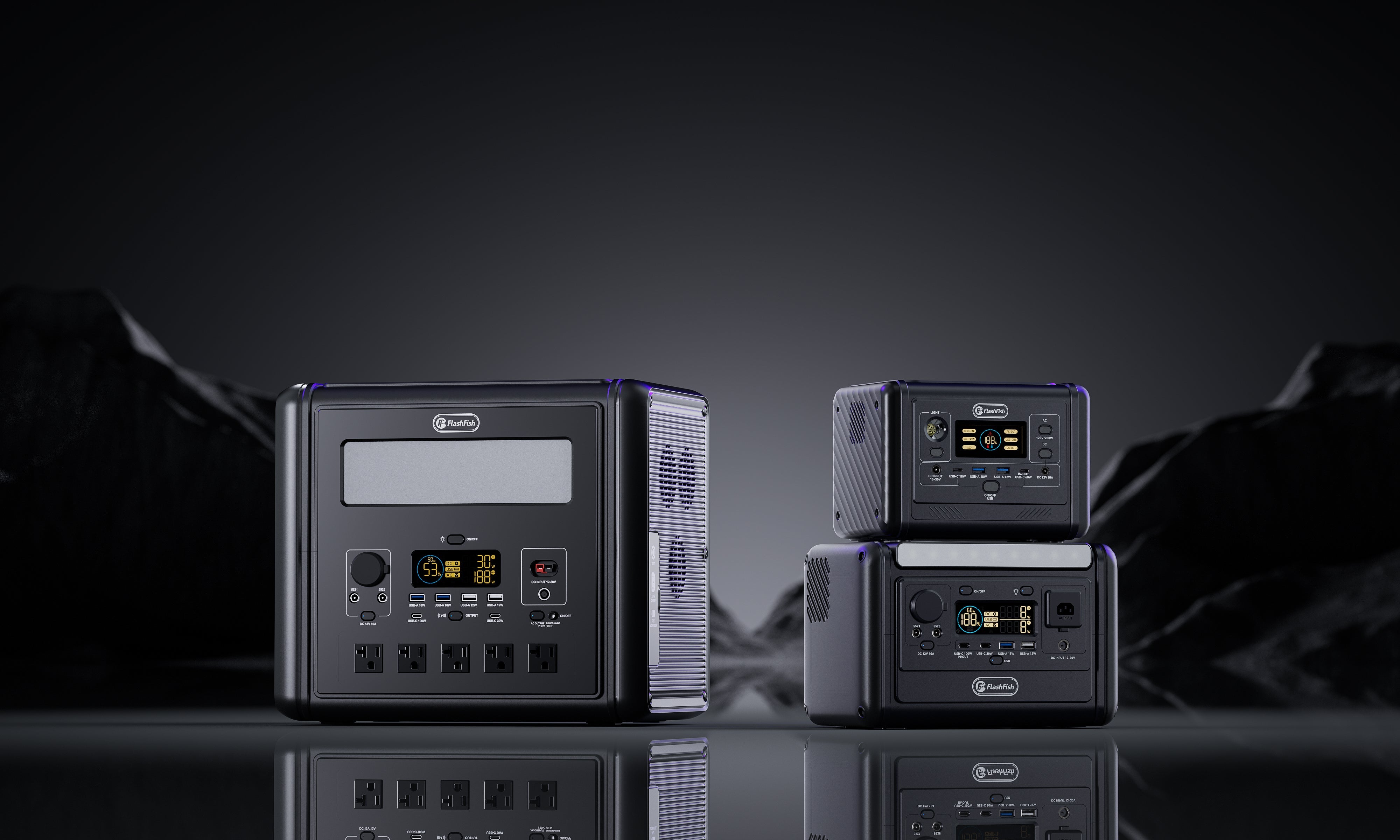
Overload vs Overtemperature Shutdown in Power Stations
Use the STOP framework to separate load-related shutdown clues from heat-related clues without treating a warning code as a diagnosis.
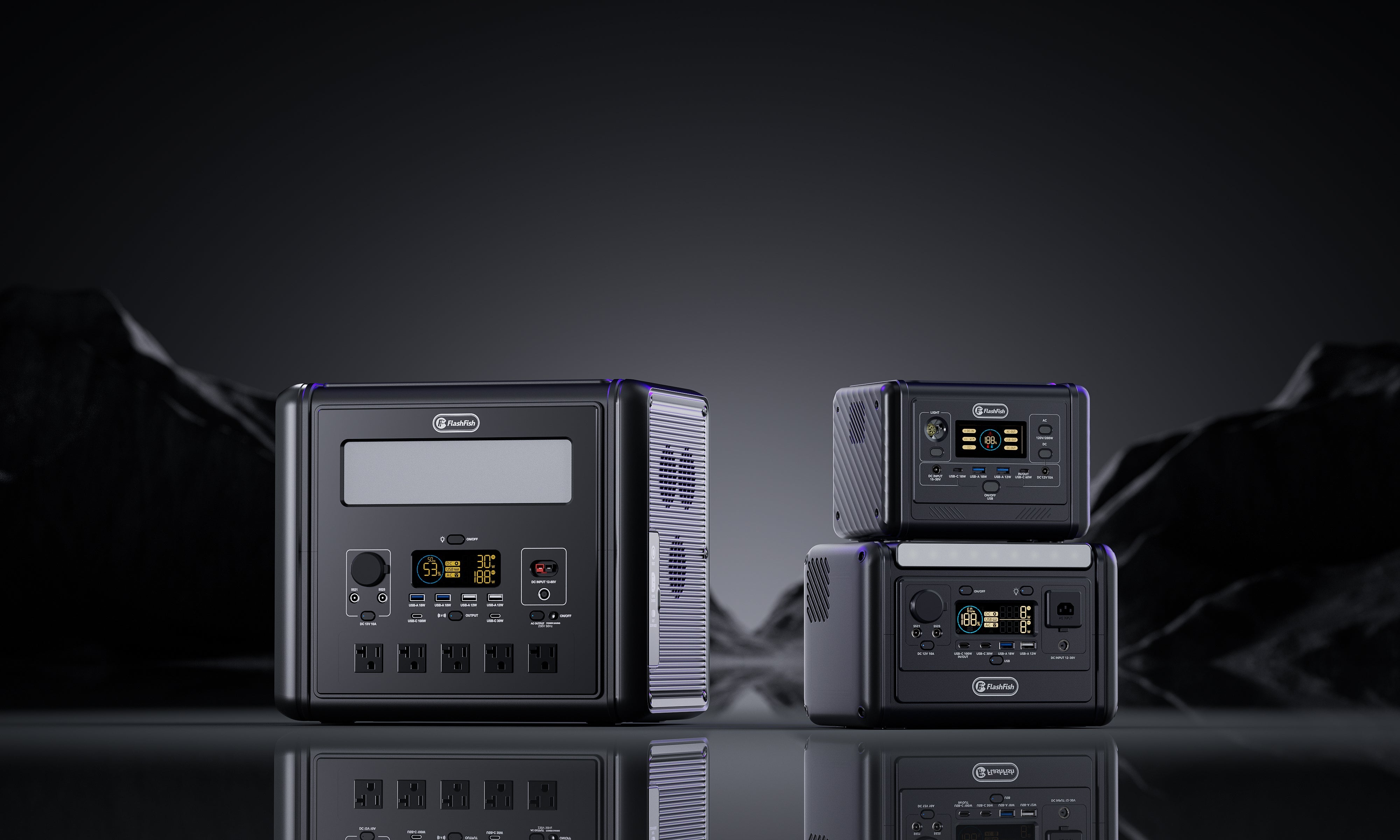
Why Portable Power Station Charging Time Is Not Just Battery Size
A practical PACE framework for comparing wall, solar and car charging without treating battery capacity or maximum input as a stopwatch.
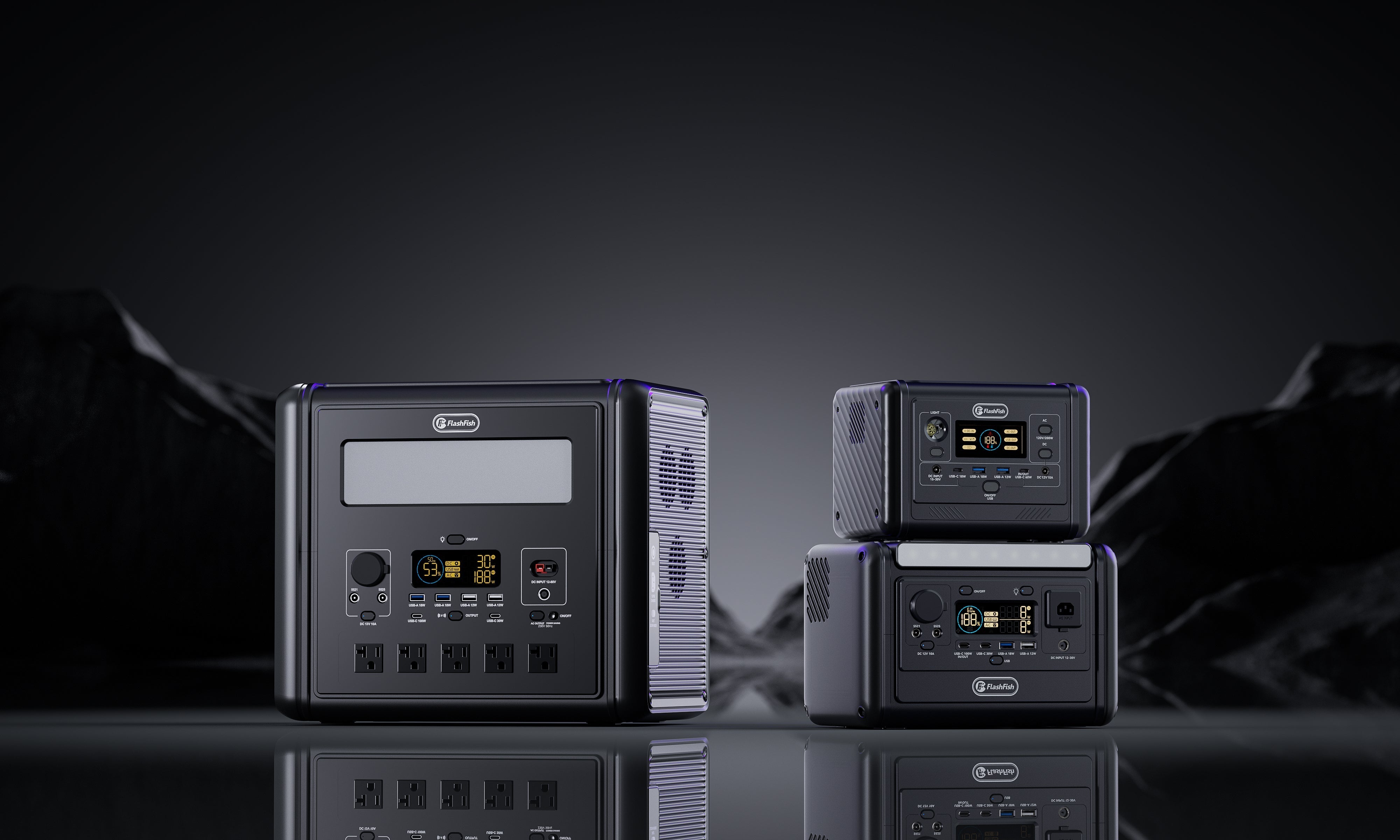
Battery State of Charge vs State of Health Explained
A practical guide to why a 100% battery display does not prove original capacity, power capability or long-term battery condition.
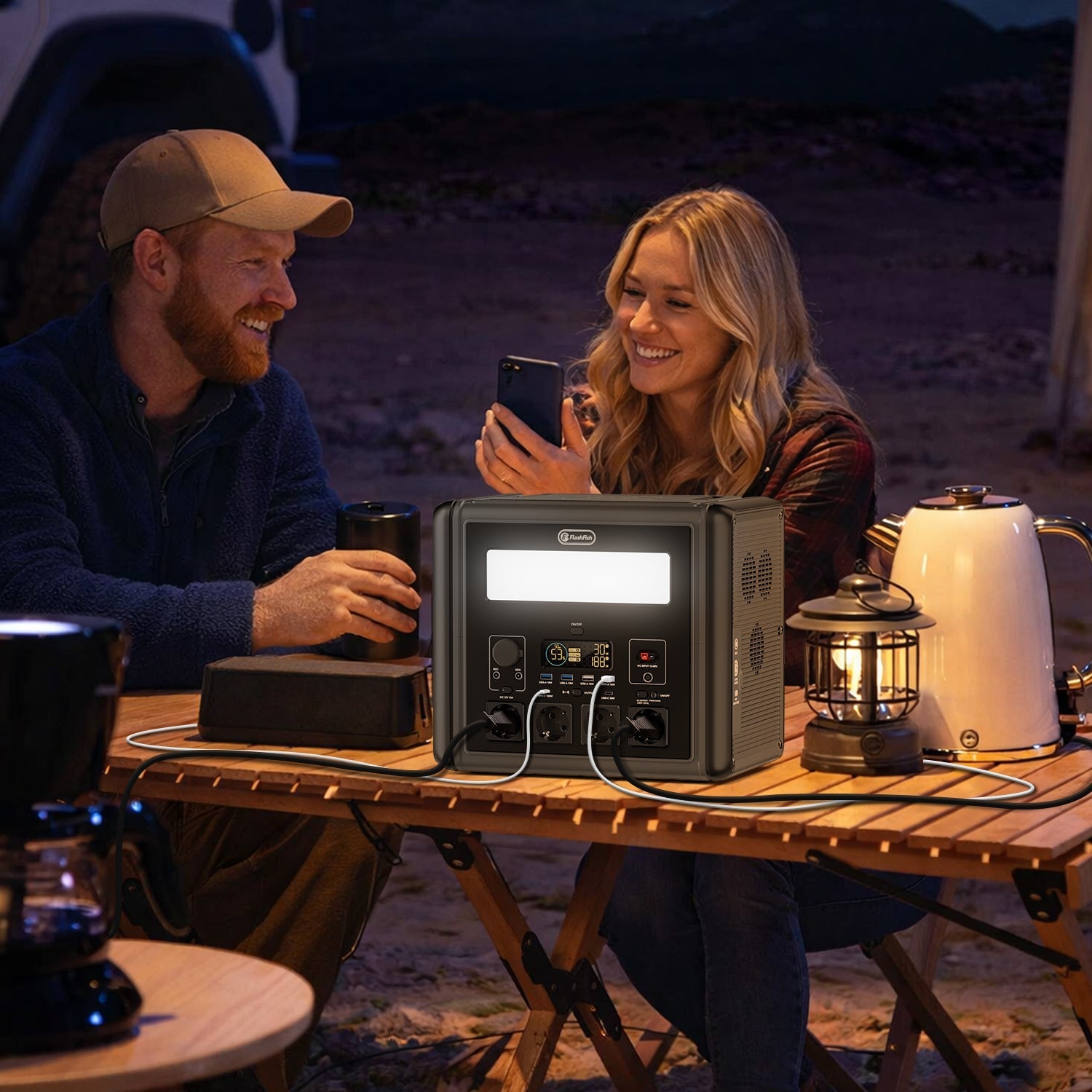
Should You Store a Portable Power Station at 100%?
A manufacturer-first storage guide that separates emergency readiness from long-term battery care and shows why one universal charge percentage is unreliable.

Charging vs Discharging Temperature for Power Stations
A practical temperature-boundary guide explaining why a power station may discharge in conditions where charging is not allowed, with T1200S and T2000 examples.
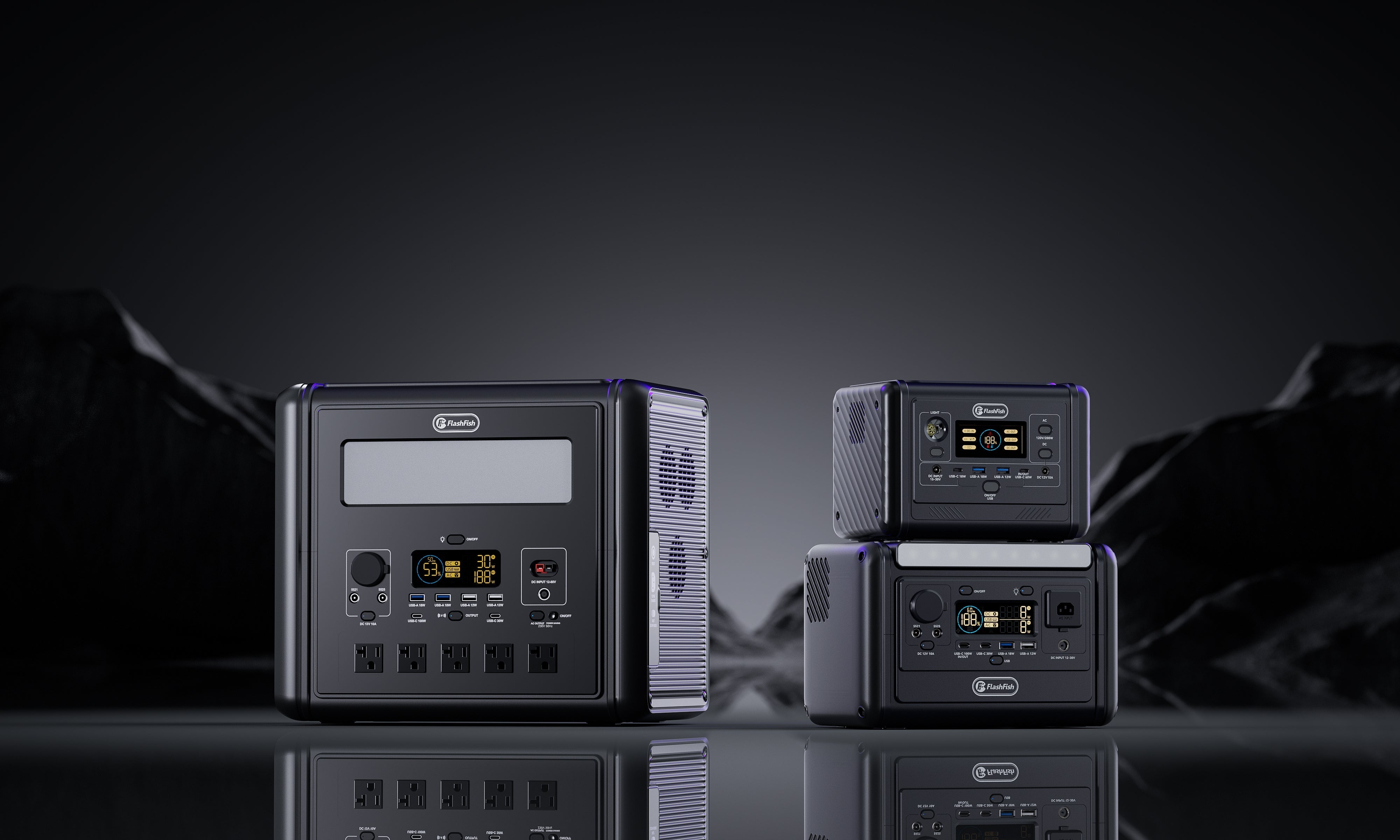
Portable Power Station Extension Lead Safety Guide
A Europe-focused LOAD checklist for matching appliances, extension leads, cable reels and power strips to a portable power station without overloading or daisy chaining.
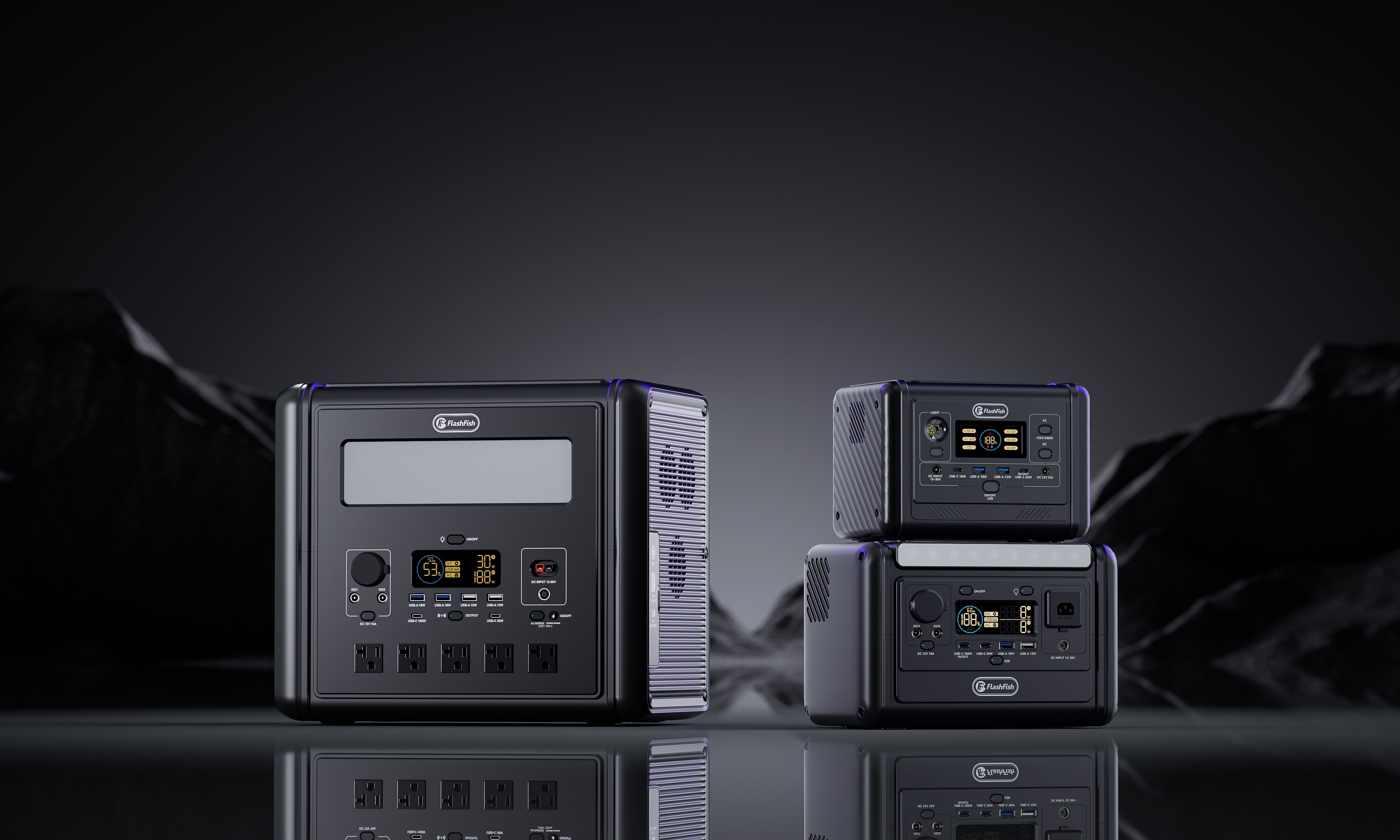
How to Inspect a Used Portable Power Station Before Buying
A Europe-focused TRACE checklist for checking identity, recalls, seller rights, physical condition, accessories and the limits of a short pre-purchase test.
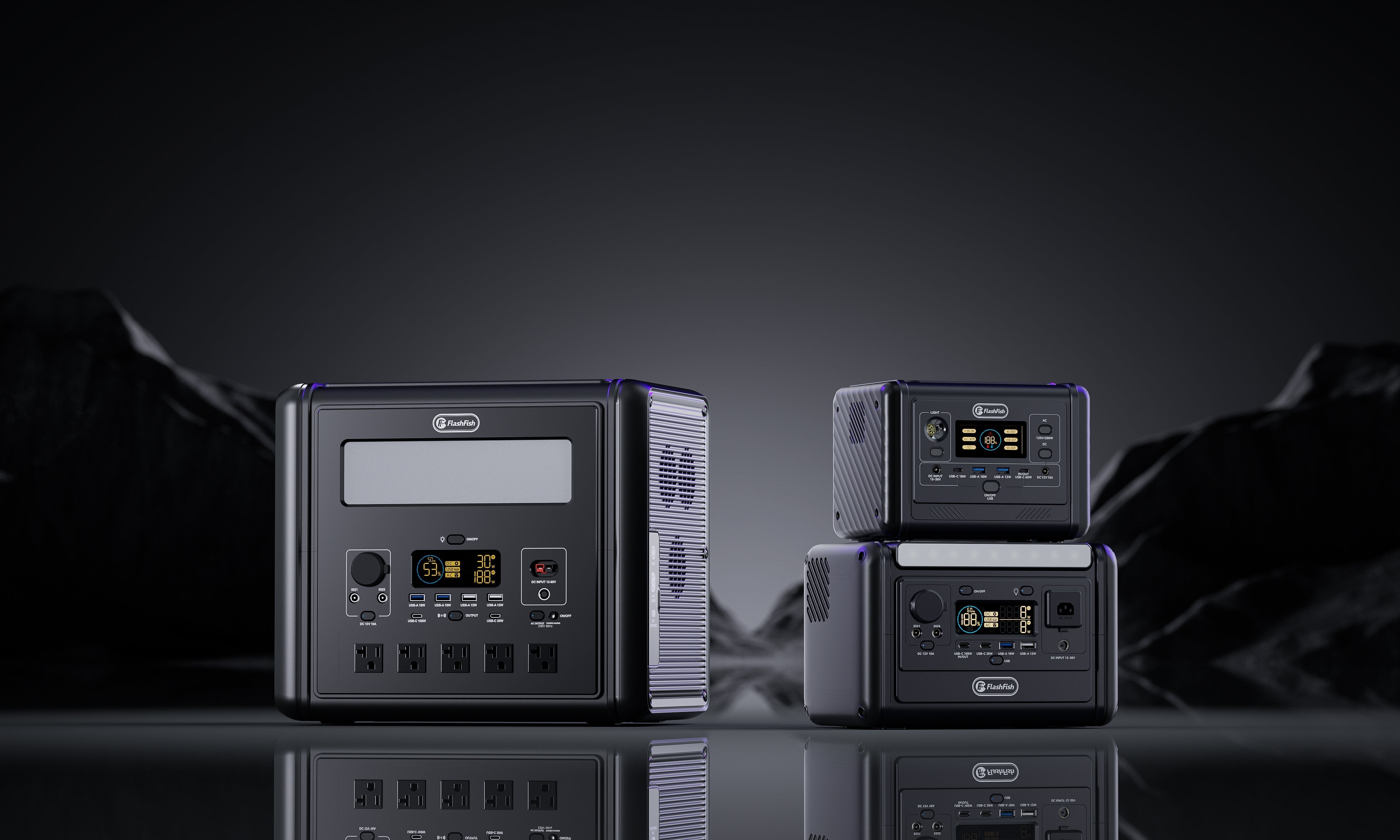
Portable Power Station Cycle Life vs Warranty Explained
A plain-English framework for separating battery cycle claims, capacity-retention endpoints, calendar ageing, commercial warranty terms and EU legal rights.
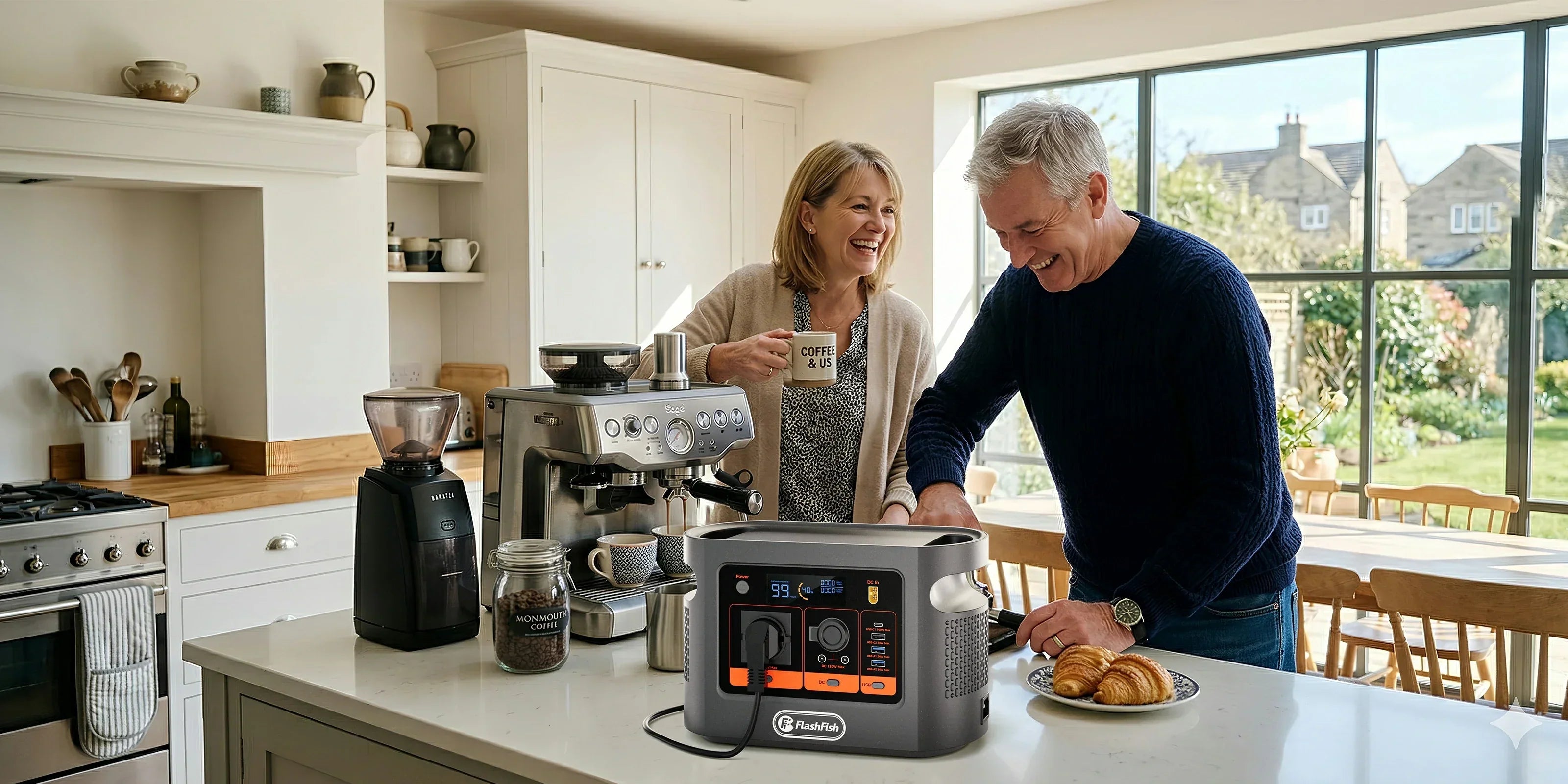
Why Portable Power Station Battery Percentage Changes
A practical guide to battery-percentage movement under load, after rest and with temperature, including a repeatable check and clear stop-use signs.
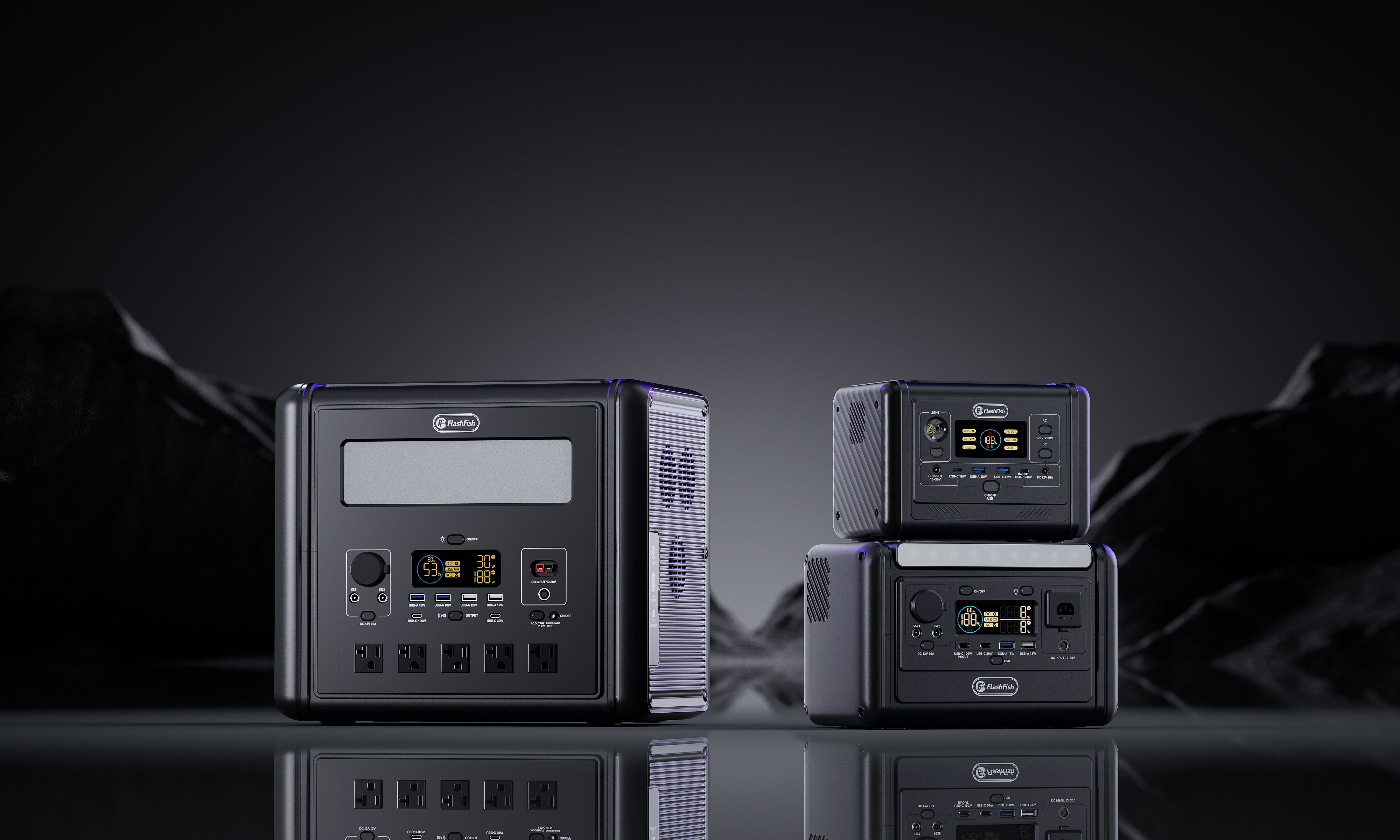
What a Portable Power Station BMS Can and Cannot Do
A practical buyer and owner guide to BMS protections, their limits, warning signs and the user checks that electronics cannot replace.
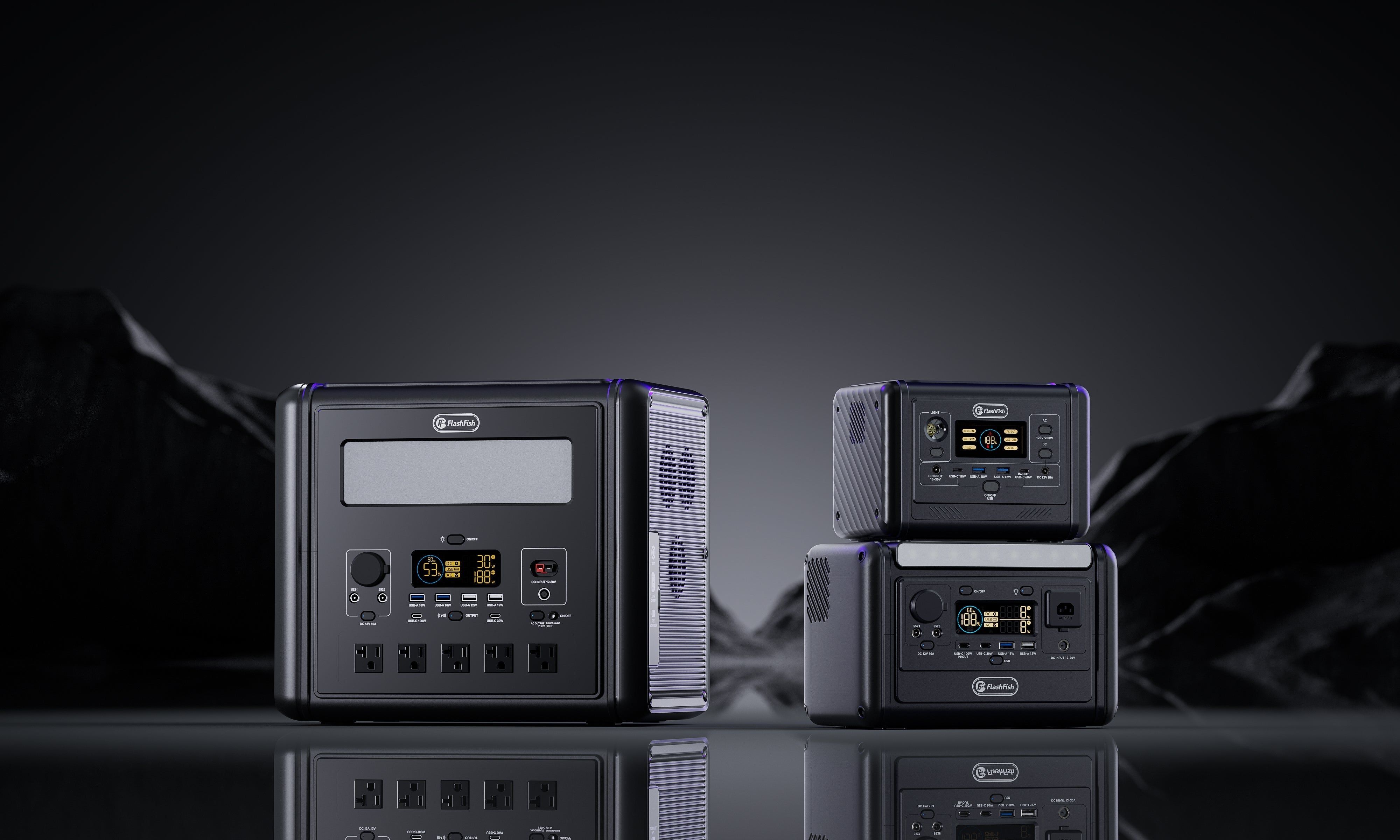
Why Portable Power Stations Turn Off Under Light Loads
A safe troubleshooting guide to separate expected power-saving shutoff from low battery, overload, temperature and cable problems.
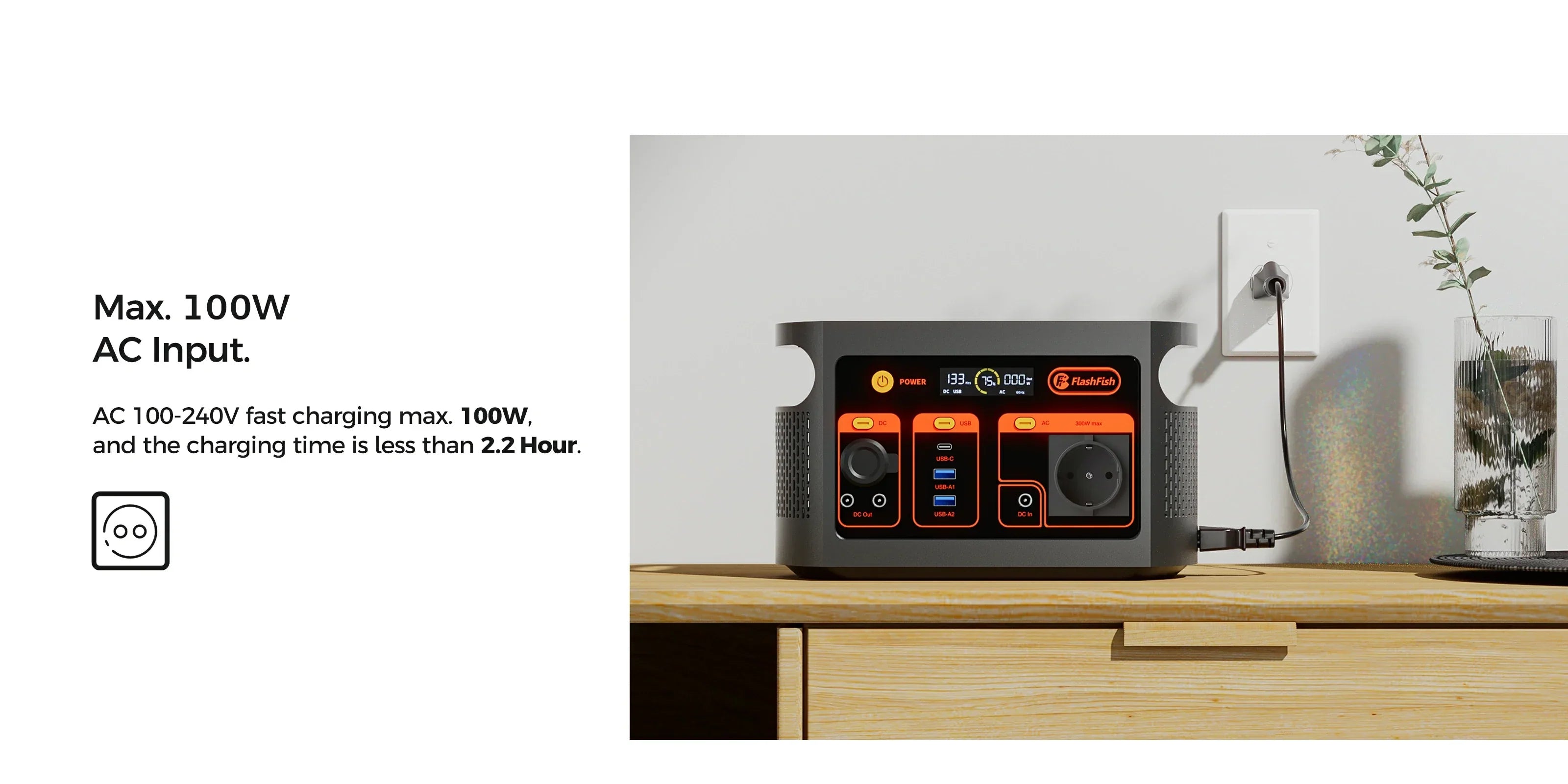
Portable Power Station Input vs Output Watts Explained
A practical Europe buyer guide to separating charging input watts, appliance output watts and battery watt-hours without making fixed runtime claims.

How to Read Compact Power Station Specs Before Buying
A Europe-focused spec-literacy guide for compact power station buyers, using E200 and E103 examples without inferring blank product fields.
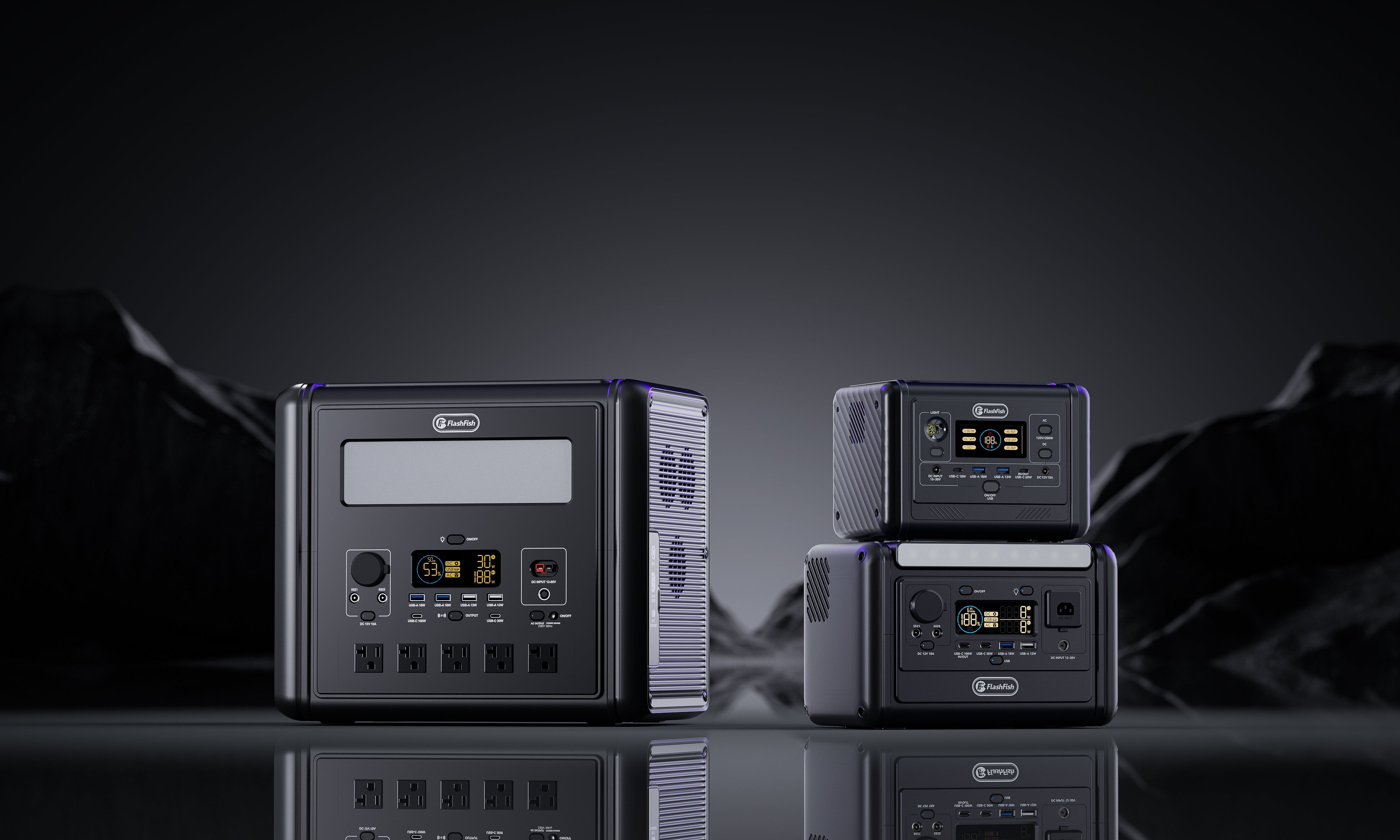
Charge-Through and EPS in Portable Power Stations
A practical explainer for Europe buyers on charge-through use, EPS transfer claims, backup boundaries and when a dedicated UPS is still the safer category.
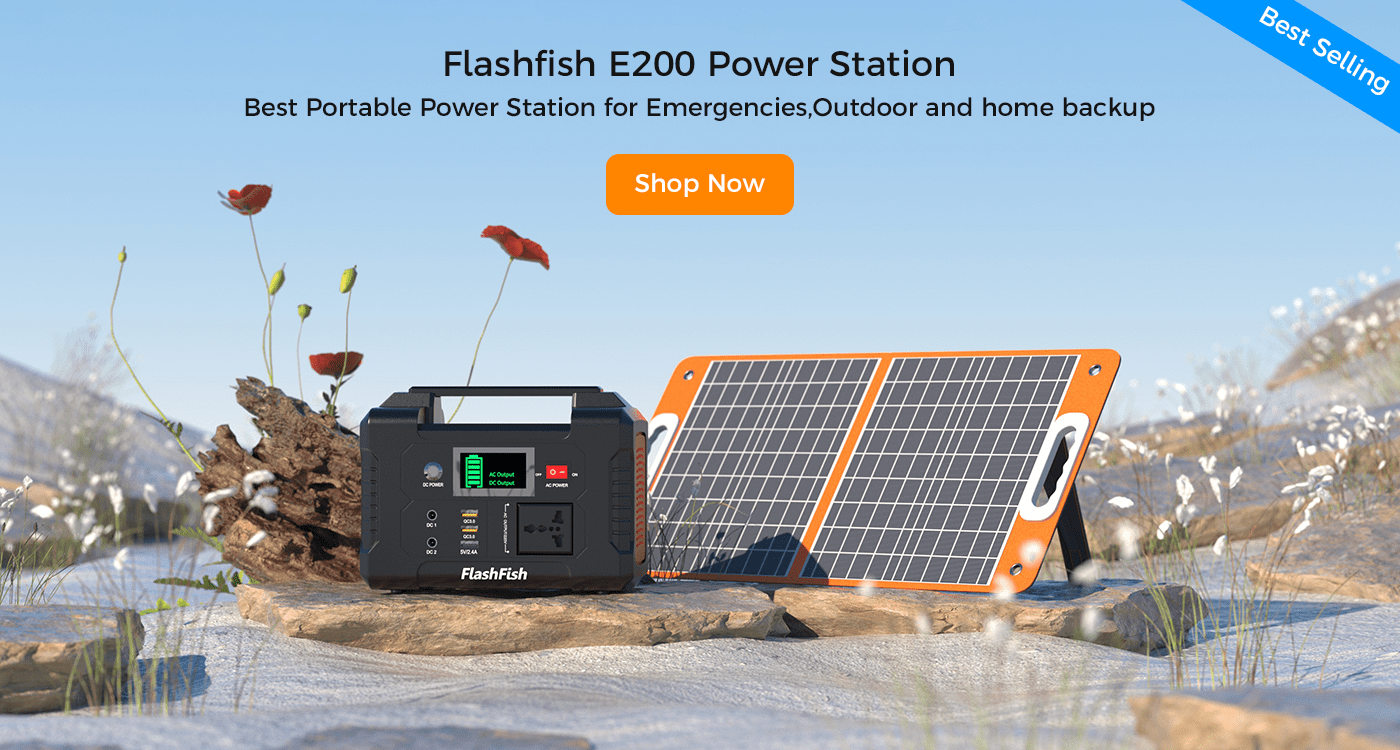
Portable Power Station vs Solar Generator: What It Means
A practical Europe buyer guide explaining the difference between a portable power station, a solar panel and a solar generator kit without fixed recharge claims.
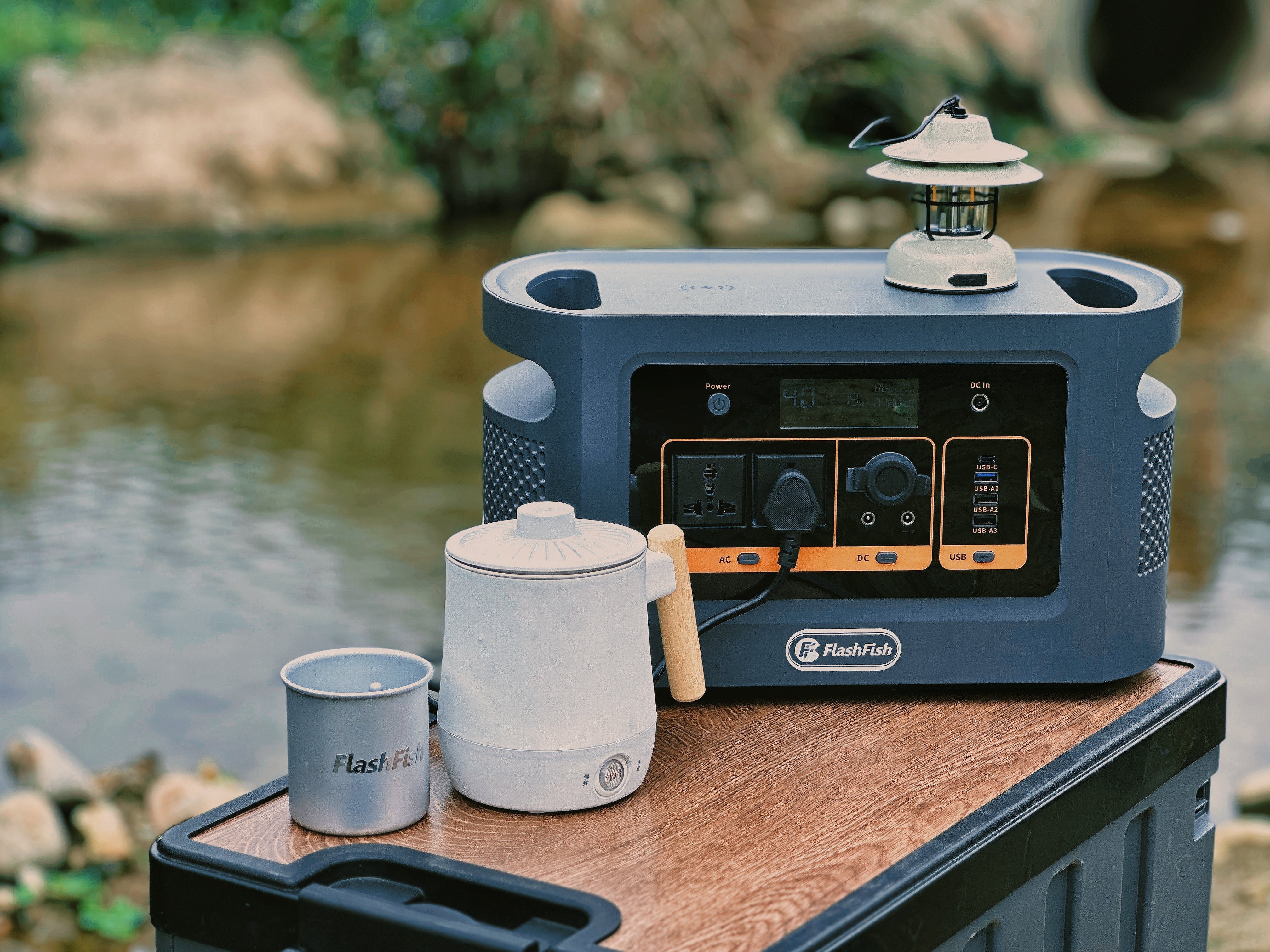
Wh vs W in Portable Power Stations: Capacity vs Output
A plain-English guide to watt-hours and watts, with FlashFish examples, buyer mistakes, and a practical way to avoid choosing the wrong capacity or output class.
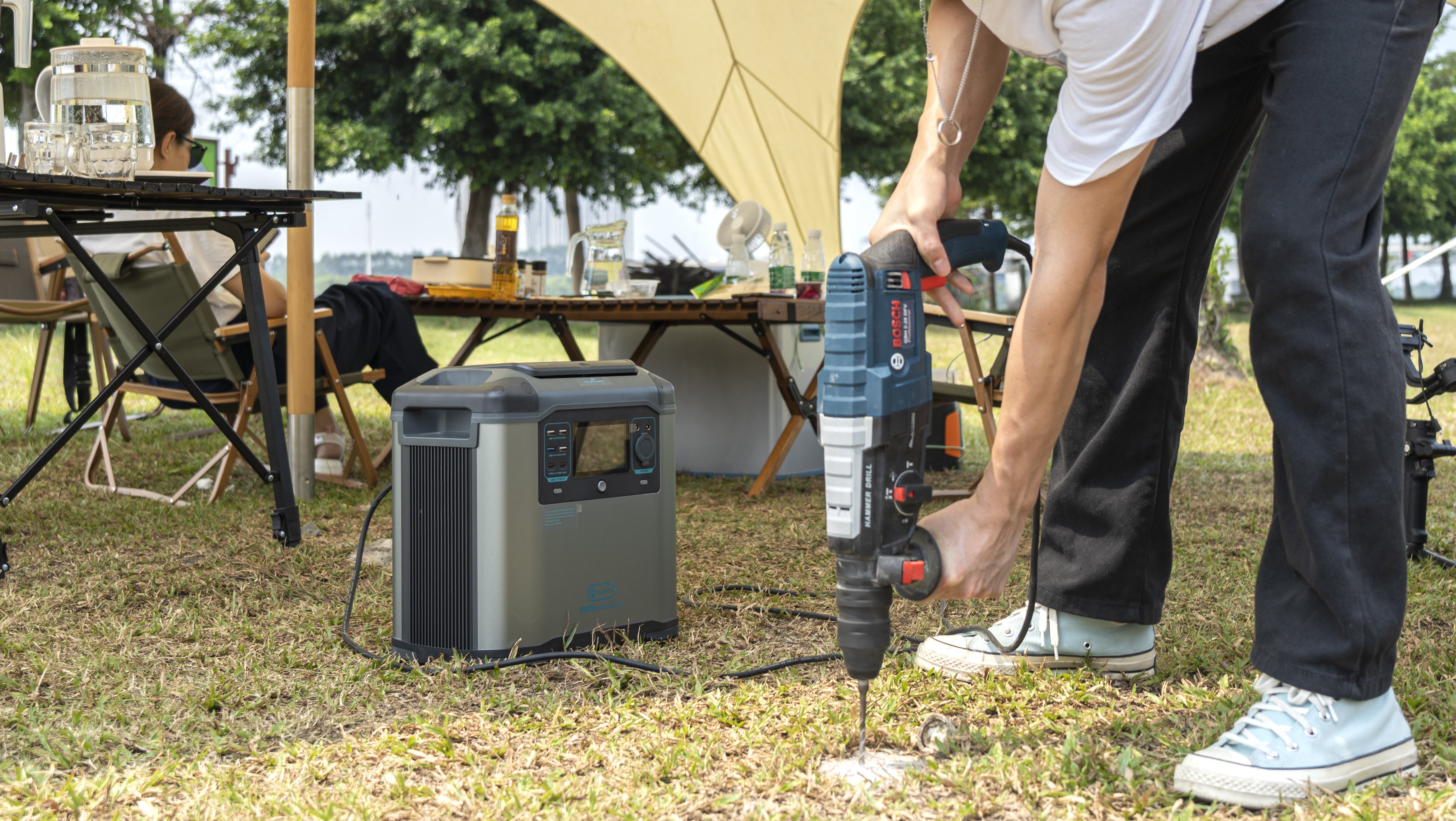
How to Estimate Power Station Runtime Without Guessing
A practical runtime-planning method for portable power station buyers using Wh, device watts, output limits, inverter losses and real device labels.

Balcony Solar Storage Glossary for European Renters
A plain-English glossary for renters comparing balcony solar, batteries, self-consumption, off-grid output and local permission requirements.
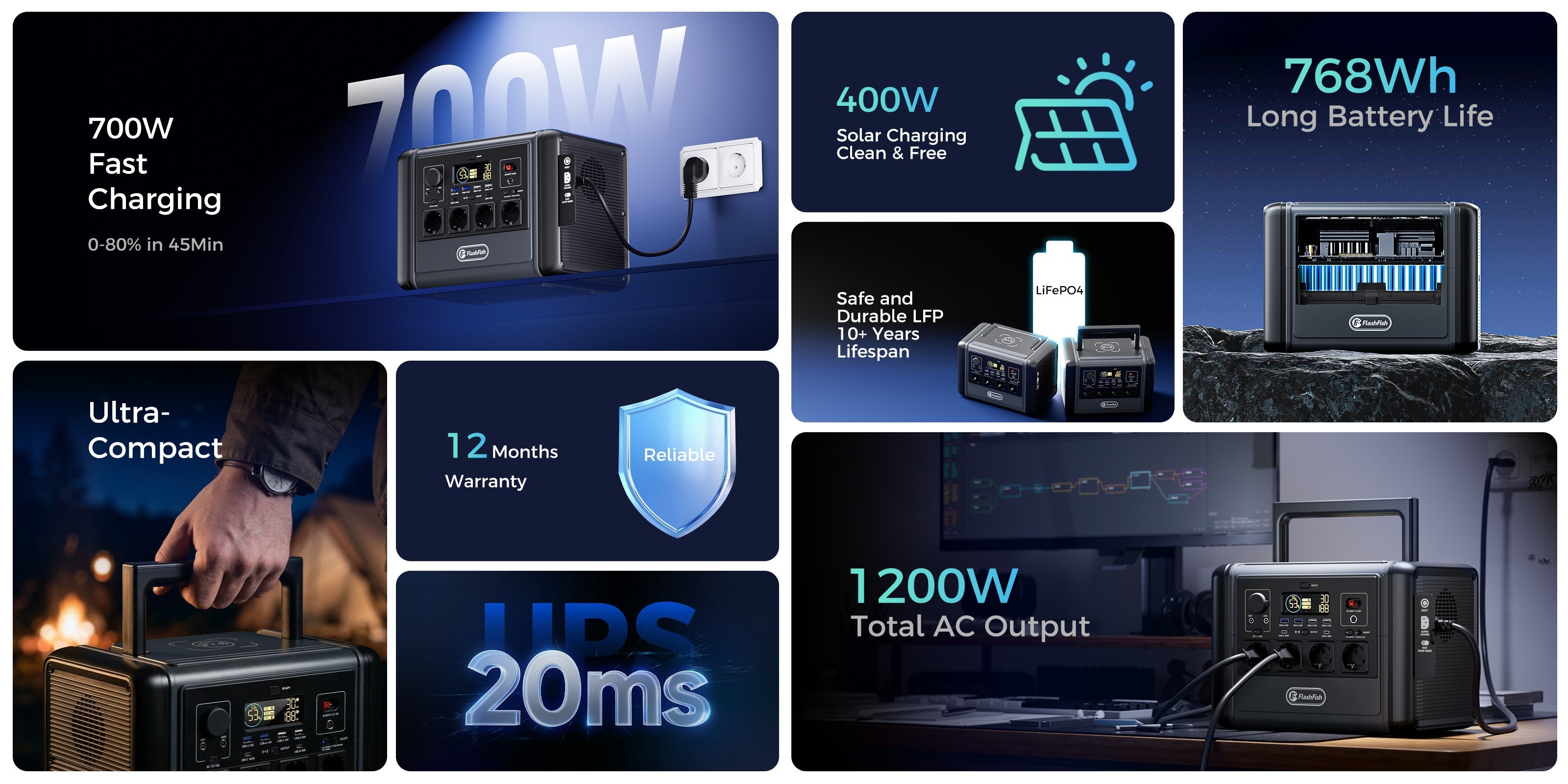
How to Read Portable Power Station Specs Like a Pro
A practical guide to reading Wh, W, peak output, USB-C, solar input and weight before choosing a portable power station in Europe.

How to Compare Portable Power Stations Beyond Price
A Europe-focused buying education guide for comparing portable power stations by capacity, output, battery, solar input, weight and real load fit.
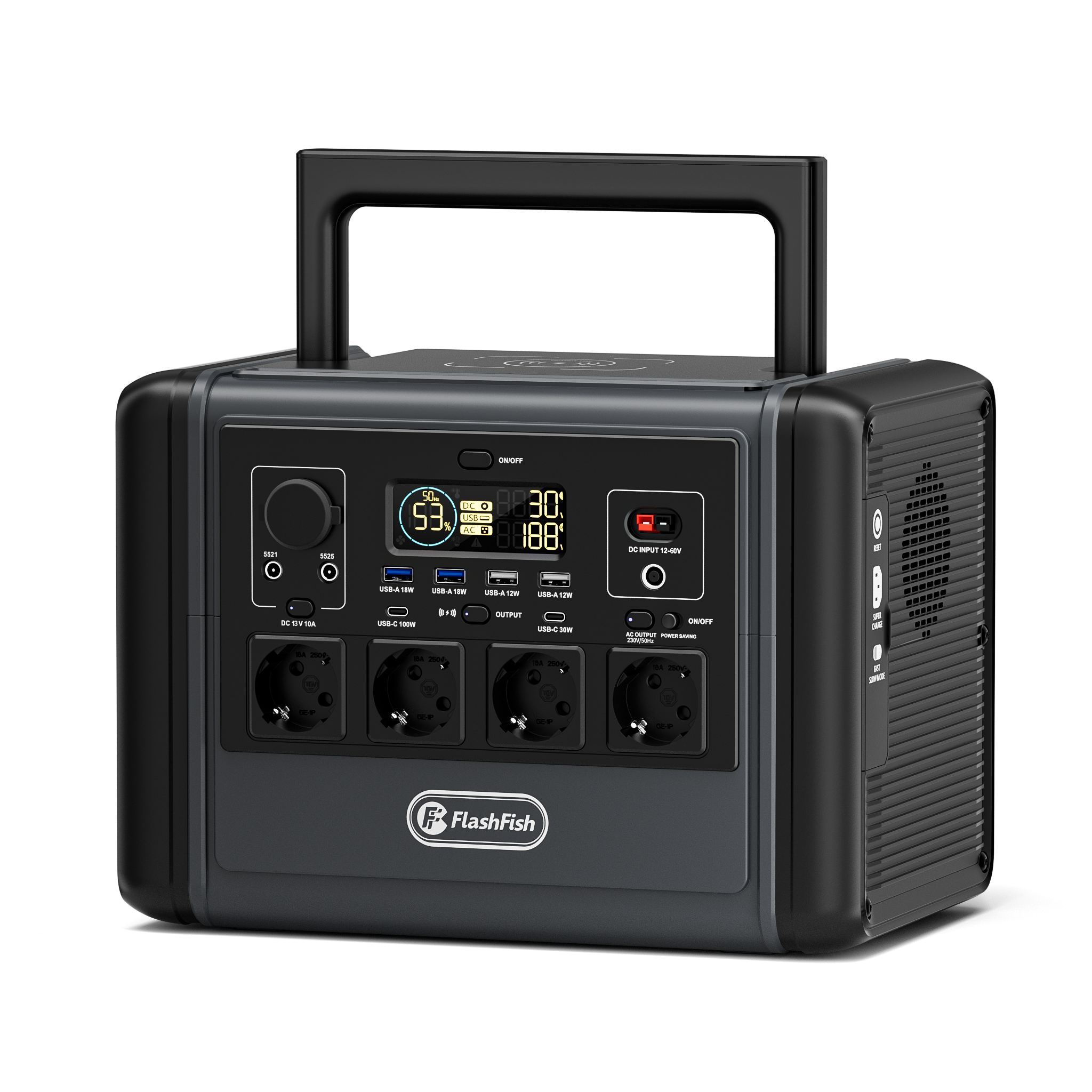
Portable Power Station Inverter Efficiency Explained
A practical guide to inverter efficiency, AC vs DC output and realistic runtime estimates for portable power station buyers.