









Peak electricity demand often leads to those shocking surges in your monthly utility bill that make budgeting nearly impossible, leaving many homeowners feeling helpless against utility companies. You are not alone in this frustration. In recent years, electricity prices have climbed at an unprecedented rate. As energy markets fluctuate and infrastructure costs rise, maintaining a balanced household budget while predicting your monthly expenses has become a significant challenge.
While you cannot personally control the global price of natural gas or the maintenance costs of the national grid, you can certainly take control of how you consume energy. Understanding the mechanics of high-demand periods and how they dictate your financial output is the first step toward energy independence. This is where FlashFish, a leader in portable power stations and solar energy solutions, steps in to provide a strategic buffer between you and the grid.
Understanding the True Cost of Energy Peaks
What exactly is "peak demand"? In the simplest terms, peak electricity demand refers to the specific windows of time when consumer energy consumption reaches its highest point. While peak hours exist across the globe, they vary wildly depending on your geography and local climate. In warmer regions, for example, the peak usually hits during the late afternoon and early evening when air conditioning units are working overtime to combat the heat.
These high-temperature windows often coincide perfectly with when people return home from work, turn on lights, start the dishwasher, and charge their electric vehicles. However, in regions with milder summers, the peak might shift to the winter mornings when heating systems are drawing massive amounts of current.
Why does this timing matter to your wallet? Most utility providers now utilize "Time-of-Use" (TOU) pricing. This means they charge a premium for every kilowatt-hour (kWh) you use during these peak windows. Just like any other commodity, when demand for electricity goes up, the price follows suit. By understanding these cycles, you can shift your heavy lifting—like laundry or running the pool pump—to "off-peak" hours when electricity is significantly cheaper.
The Mathematical Breakdown: kWh vs. kW
Calculating the impact of peak demand on your home can feel daunting because of the terminology used by energy companies. According to the U.S. Energy Information Administration (EIA), electricity is billed based on consumption (kWh), but peak demand is measured in power (kW).
"Demand" refers to the amount of energy consumed within a very specific, short interval. Think of it like a speedometer versus an odometer: the kWh is the distance you’ve traveled, but the kW is how fast you were going at a specific moment. Most utility companies calculate demand charges based on the highest 15-minute window of usage during a billing cycle.
The basic formula is:
For example, if you consume 100 kWh over a 4-hour peak period, your average demand is:
If you find this math confusing, don't worry. You can use an online energy calculator to help convert your appliance wattage into potential peak costs. Reducing your peak kW is the most effective way to see an immediate drop in your monthly expenses.
Why Grid Reliance is a Growing Risk
The impact of peak demand goes far beyond just your bank account. It places an immense physical strain on the energy system. Most modern grids are not designed to store vast amounts of energy; they must produce and distribute it in real-time. When demand exceeds supply—which frequently happens during heatwaves or extreme winter storms—the grid becomes overloaded.
This overload leads to several critical issues:
-
Grid Instability: When the demand curve spikes too sharply, it can cause frequency drops that damage sensitive electronics.
-
Rolling Brownouts: To prevent a total system collapse, utility companies may intentionally reduce voltage or cut power to certain neighborhoods temporarily.
-
Unplanned Outages: Excessive heat on transformers and transmission lines during peak hours can lead to equipment failure, leaving thousands in the dark without warning.
By integrating a FlashFish portable power station into your home ecosystem, you aren't just saving money; you are creating a localized "micro-grid" that keeps your essential devices running when the main grid fails.
Achieving Independence with FlashFish Solar Technology
How do you break the cycle of expensive energy bills? The most effective strategy is to become your own power producer. FlashFish specializes in high-performance solar generators and power stations designed to give you the upper hand.
1. Store Cheap Energy, Use During Peak
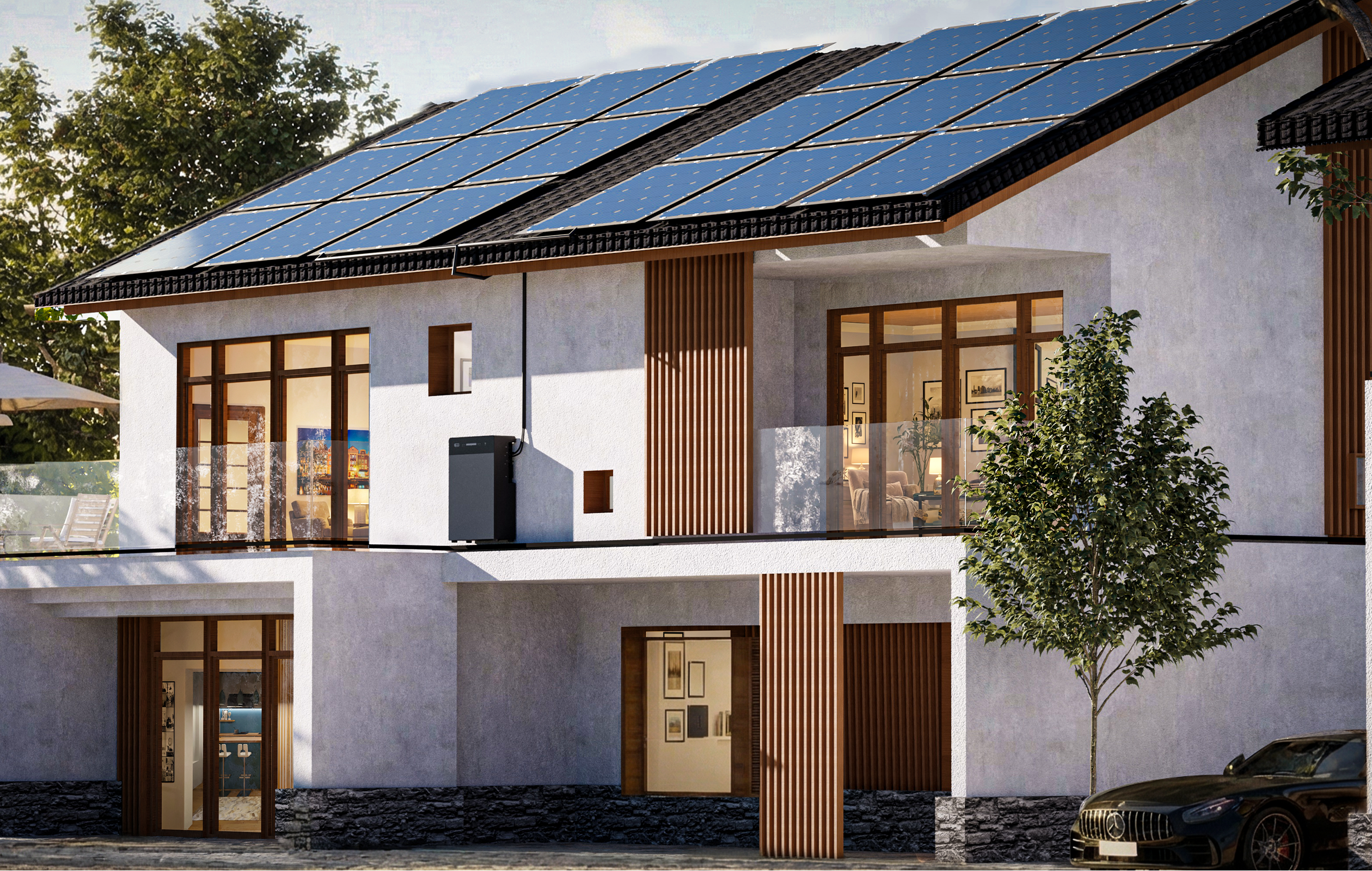
Instead of drawing power from the grid when rates are at their highest, you can charge your FlashFish Balcony Solar Storage System during the middle of the night or during the day using solar panels. When the "peak hour" hits and prices skyrocket, simply switch your essential devices—like your laptop, router, or refrigerator—to your FlashFish unit. This "peak shaving" strategy can save you hundreds of dollars annually.
2. Invest in Solar Harvesting
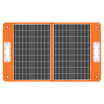
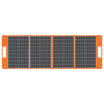
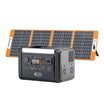
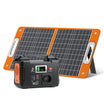
The FlashFish Solar Generator series allows you to capture free energy from the sun. By pairing our foldable solar panels with our high-capacity power stations, you can generate 100% clean energy. This isn't just for camping; it's a legitimate home energy strategy. During the day, let the sun fill your FlashFish battery, and in the evening, use that stored energy to power your home office or entertainment system.
3. Reliable Backup for Grid Failures
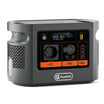
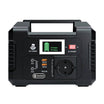
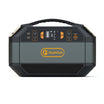
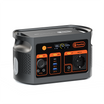
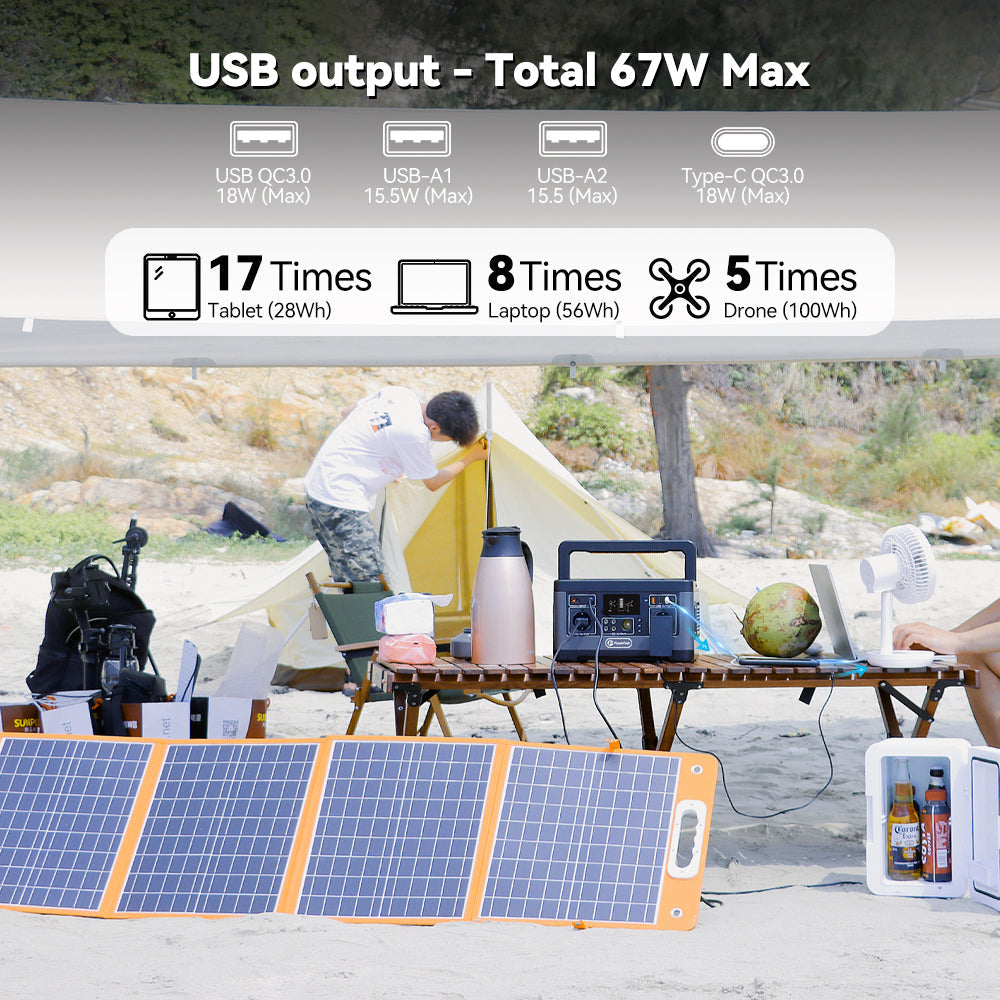
Whether it’s a planned brownout or an unexpected storm, a FlashFish portable power station ensures your lights stay on. With multiple output ports (AC, DC, USB, and USB-C), you can charge everything from smartphones to CPAP machines and small appliances. Our LiFePO4 battery technology ensures thousands of charge cycles, making it a long-term investment in your family's security.
FAQ: Mastering Your Energy Consumption
Q1: What are the typical peak hours for electricity?
Peak hours generally occur between 4:00 PM and 9:00 PM on weekdays, as this is when residential demand spikes. However, always check with your local utility provider as these times can shift based on the season.
Q2: How does a FlashFish power station help with my electricity bill?
By practicing "load shifting," you can charge your FlashFish unit during off-peak hours (when rates are low) and use the stored energy to power your devices during peak hours (when rates are high), effectively avoiding the most expensive electricity prices.
Q3: Can I run a refrigerator on a FlashFish portable power station?
Yes, depending on the model. High-capacity FlashFish units (like the 1000W+ models) are designed to handle the surge current of most modern, energy-efficient refrigerators, providing a crucial lifeline during extended power outages.
Take Control Today
Peak electricity demand is a reality that every modern homeowner must face, but it doesn't have to dictate your financial future. With the increasing frequency of grid failures and the steady rise in energy costs, the transition toward decentralized power is no longer a luxury—it’s a necessity.
By choosing FlashFish, you are choosing a partner in energy independence. Our portable power stations provide the flexibility to store energy when it's cheap and use it when it's most needed, ensuring your home remains powered and your budget remains intact.
Ready to beat the peak? [Explore the full range of FlashFish Solar Generators and Portable Power Stations here] and start saving on your next energy bill!



Yorum yazın
Tüm yorumlar yayınlanmadan önce incelenir.
Bu site hCaptcha ile korunuyor. Ayrıca bu site için hCaptcha Gizlilik Politikası ve Hizmet Şartları geçerlidir.