




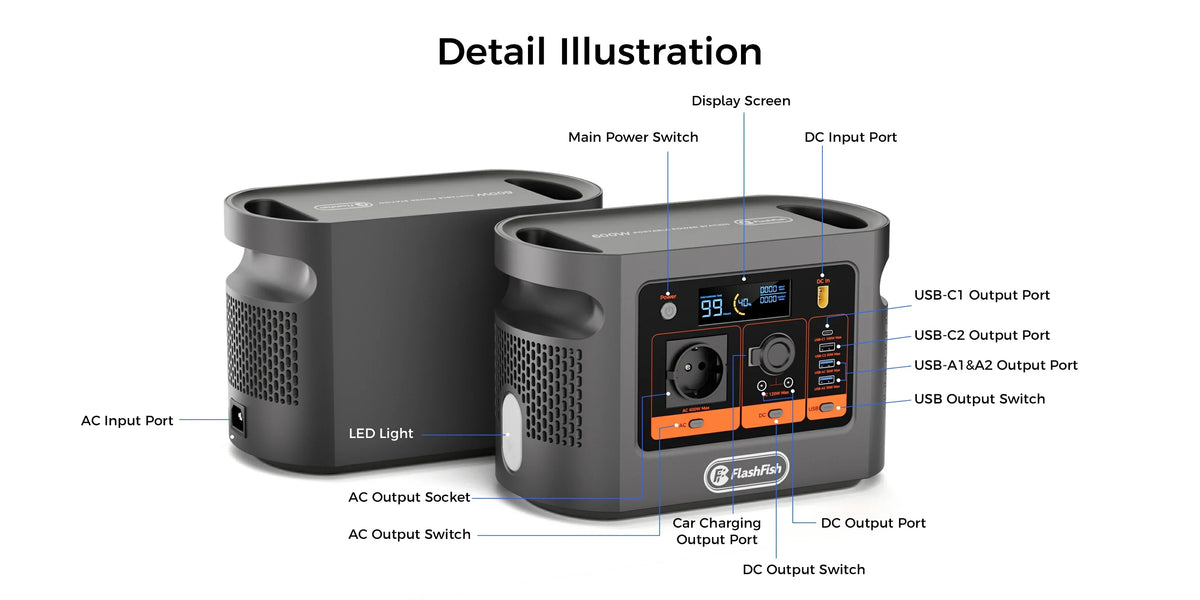
Draw a Power-Path Diagram Before a Load List
A reusable diagram-and-worksheet method that exposes connector, negotiation and shared-group gaps before power or energy arithmetic begins.
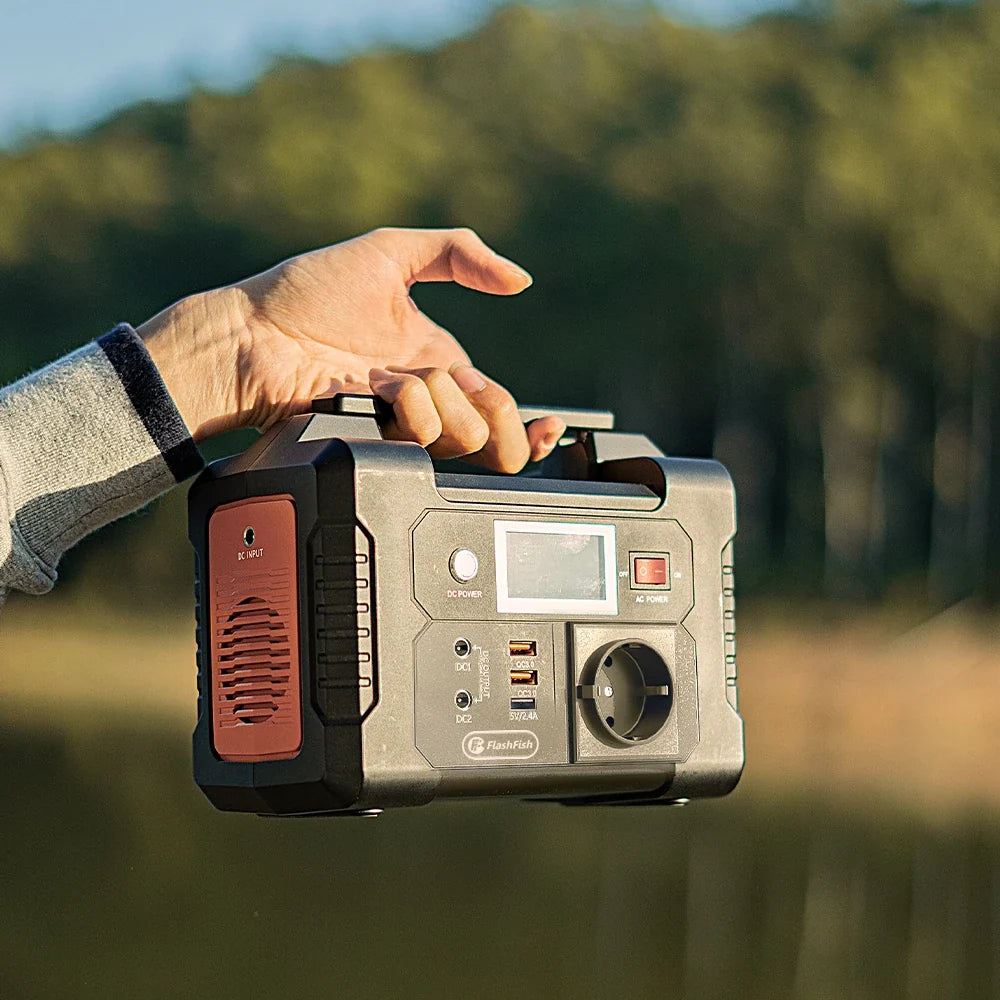
How to Verify an AC Waveform Claim Before Choosing a Power Station
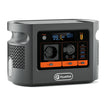
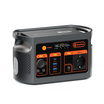
A repeatable source-check method for AC waveform claims, illustrated by the E106B and E200 without assuming appliance compatibility.

E103 Raspberry Pi 5 Coding Bench: Power and Shutdown Checklist
E103's direct USB-C path offers 5V/3A rather than the Raspberry Pi 5 recommended 5V/5A path, so peripherals, storage and clean shutdown need separate checks.
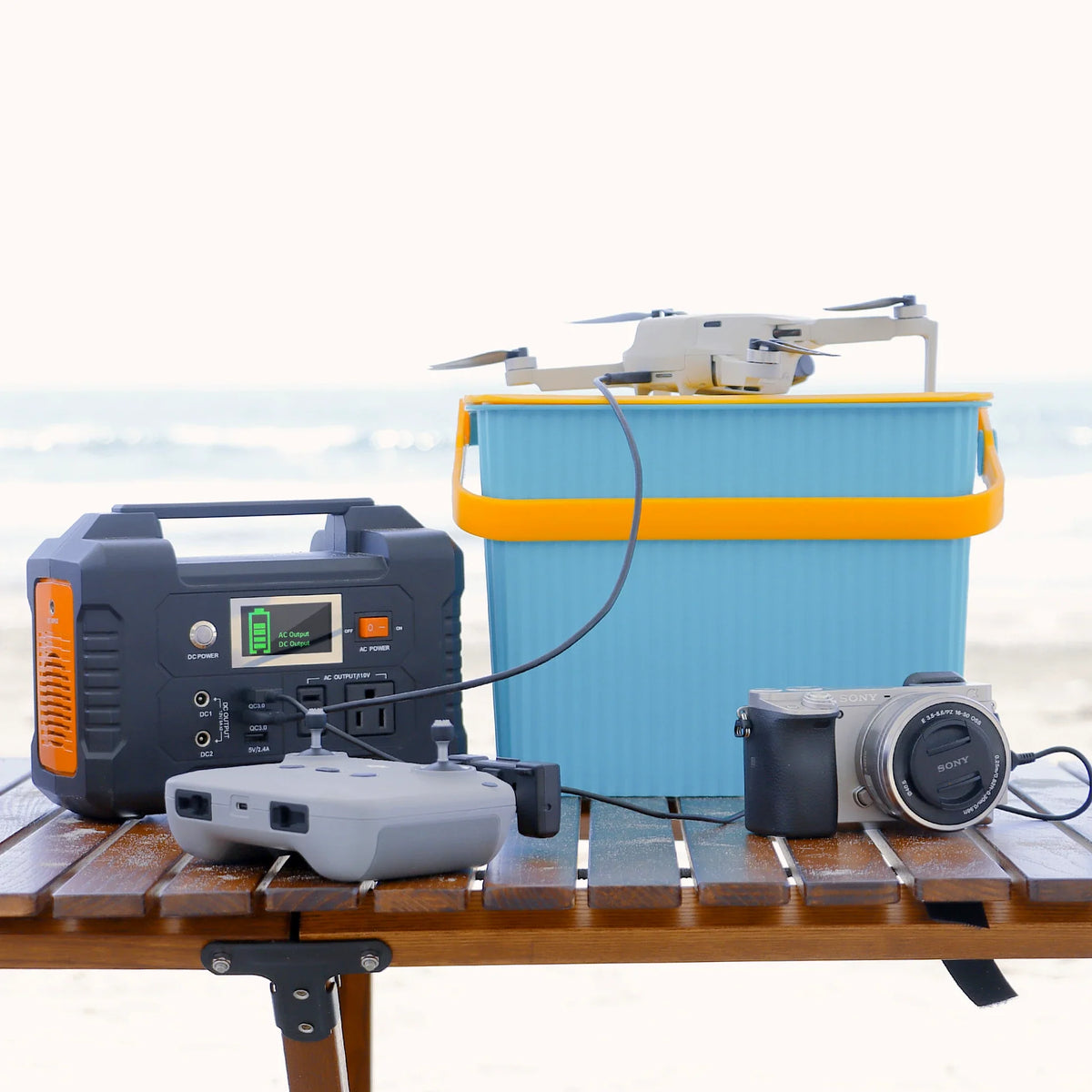
E200 Camera-Battery Charging and File-Catalogue Desk Checklist
E200 is not a blanket camera-charger or laptop recommendation: its modified-sine AC path must be accepted by the exact adapters before the separate file workflow begins.
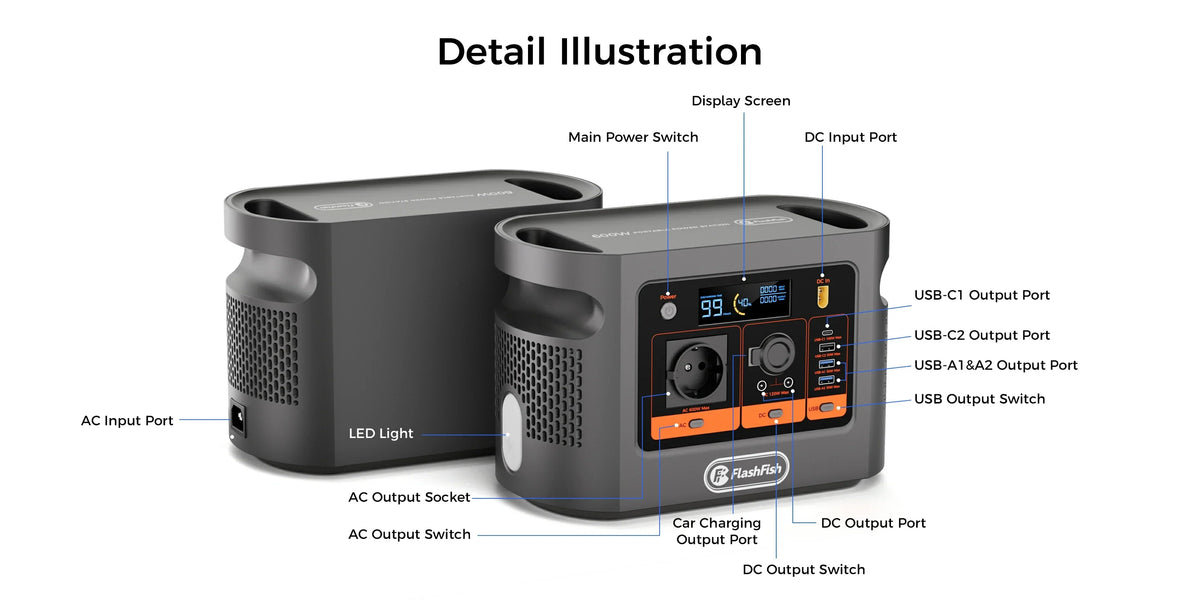
E106B Receive-Only Radio Checklist: Power Path and Interference Log
A receive-only radio setup needs an exact voltage, polarity, connector and current record plus a one-change-at-a-time interference log; E106B does not prove RF silence or radio compatibility.
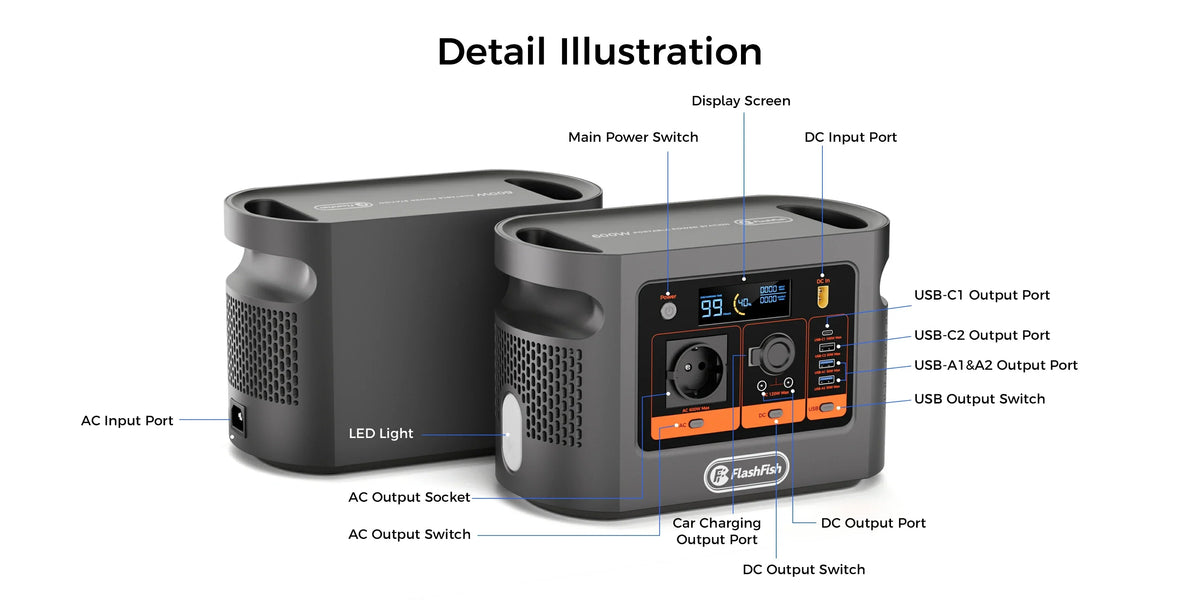
E106B Community Film Screening: Rehearsal and Fallback Checklist
A community film screening needs separate checks for projector and audio power, laptop and media readiness, HDMI, cable routing, venue permission and cancellation fallback; E106B alone does not pro...
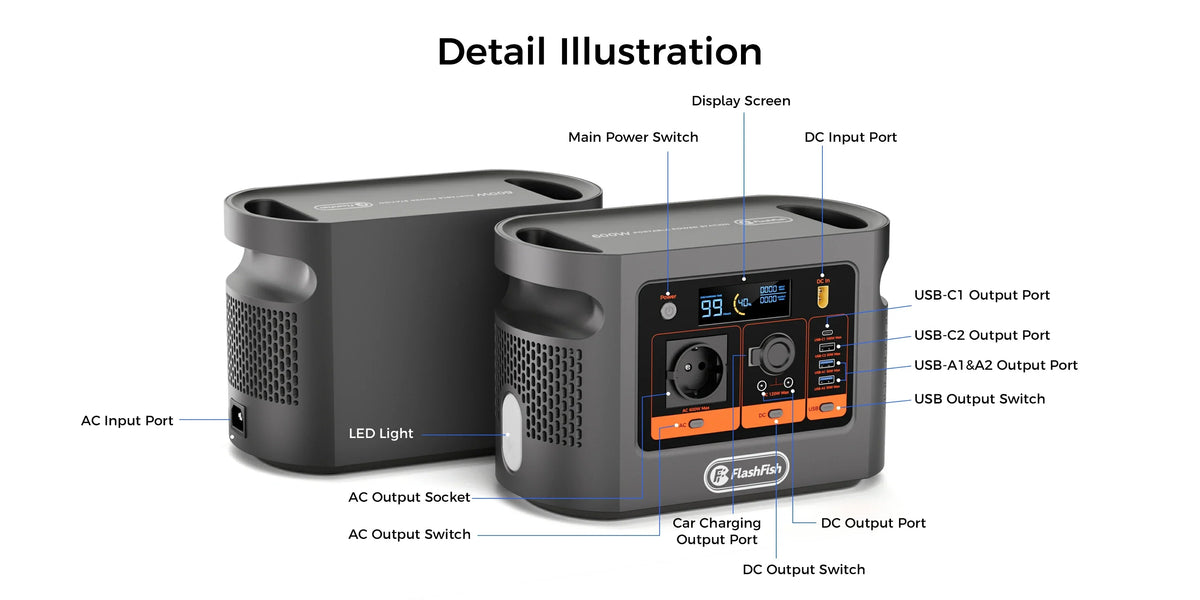
How to Compare Two Portable Power Station Runtime Tests
Two runtime numbers are comparable only when the output path, load behaviour, start state, endpoint, environment and measurement method are sufficiently aligned and disclosed.
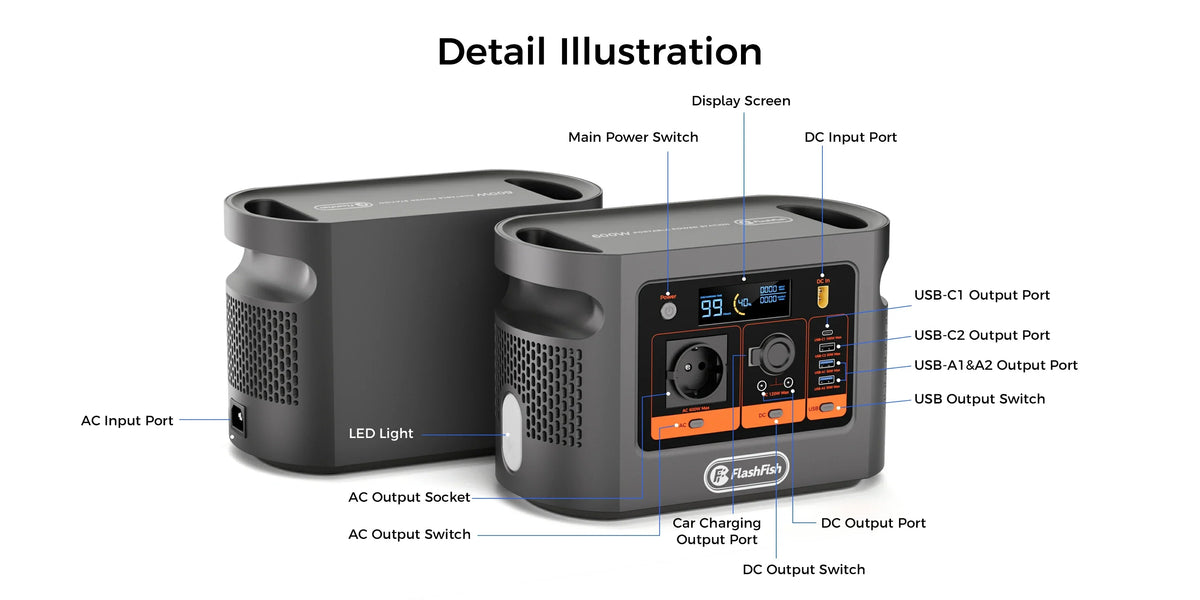
Power Headroom vs Energy Reserve: Two Separate Checks
Spare watts do not prove enough watt-hours, and spare watt-hours cannot make an over-rated load fit. Complete both checks before estimating a session.

Does the E112B UPS Mark Prove Desktop Transfer Time?
A feature mark and pass-through field are not a transfer-time specification; the desktop's own tolerance and a supervised representative test still matter.

E106B Camera Card Offload and Backup Handover Checklist
Finish copy, verification, save and ejection steps before deliberately changing power. Keep the original camera card until the handover is accepted.
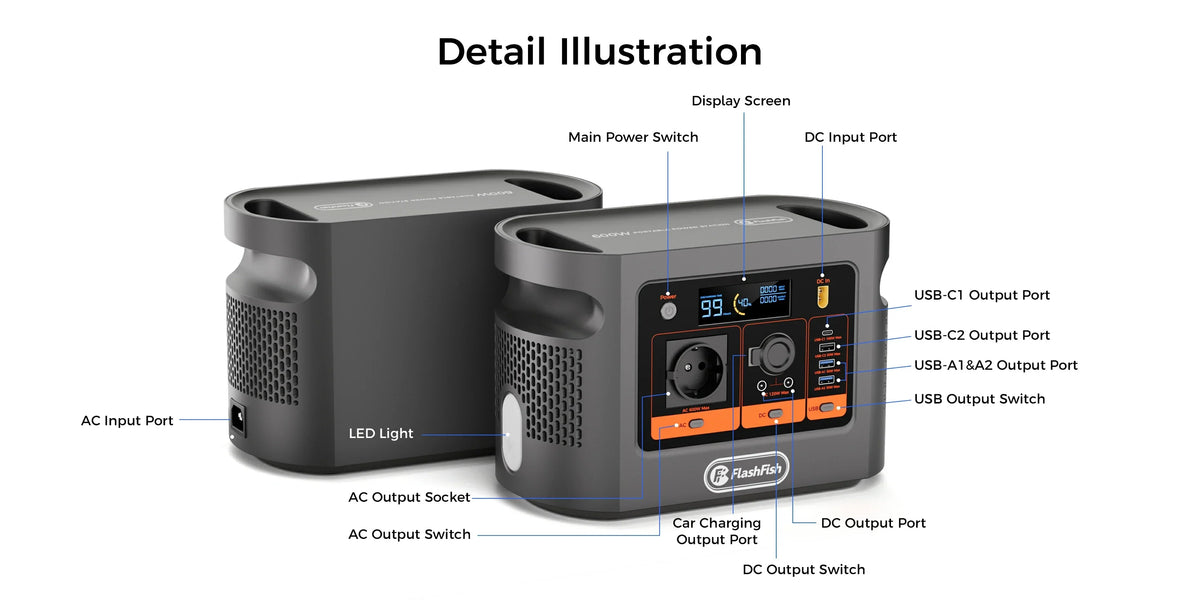
Can a USB-C Laptop Charger Recharge the E106B?
The available E106B record does not document USB-C charging input. Its USB-C ports are listed as outputs, while AC and DC are the recorded inputs.
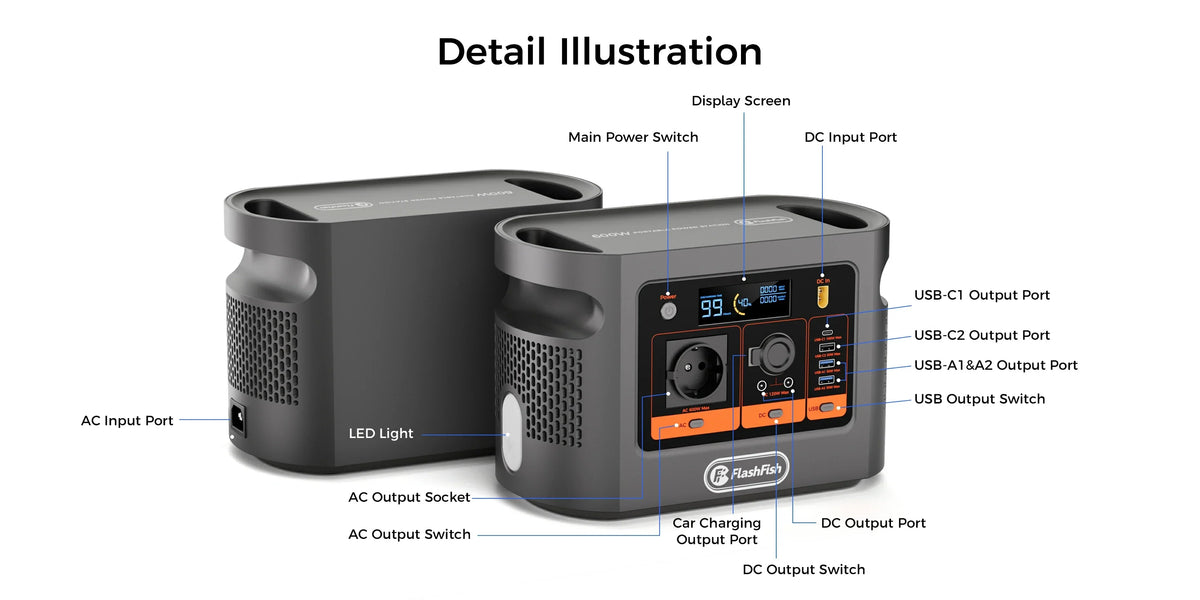
E106B Livestream Checklist: Power, Data and Uplink
A powered camera or laptop is only one part of a livestream. Map power, data, capture, recording and uplink separately, then rehearse the full chain.

Dropped a Portable Power Station? What to Do Next
Use STOP-UNPLUG-OBSERVE-SEPARATE-CONTACT: protect people first, preserve the scene and obtain product-specific guidance instead of attempting a home repair or load test.
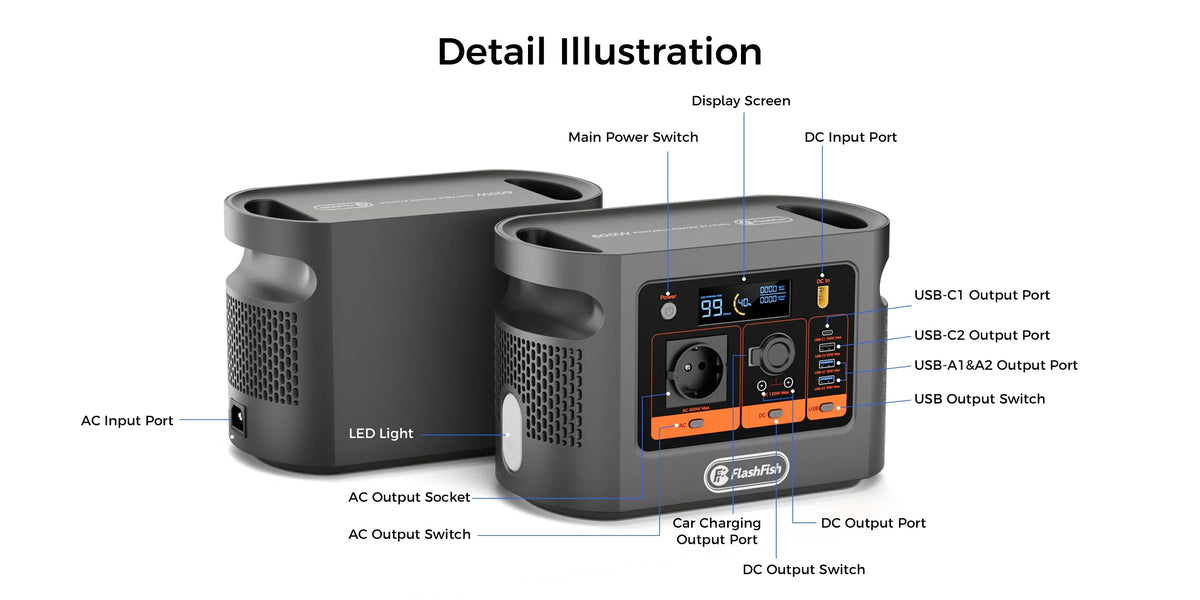
How to Fact-Check an AI Power Station Recommendation
Use MODEL-REGION-SOURCE-LOAD-DATE-GAP: pin down the exact suffix and market, open primary evidence, map the intended appliance path, date volatile facts and preserve every missing field as unknown.
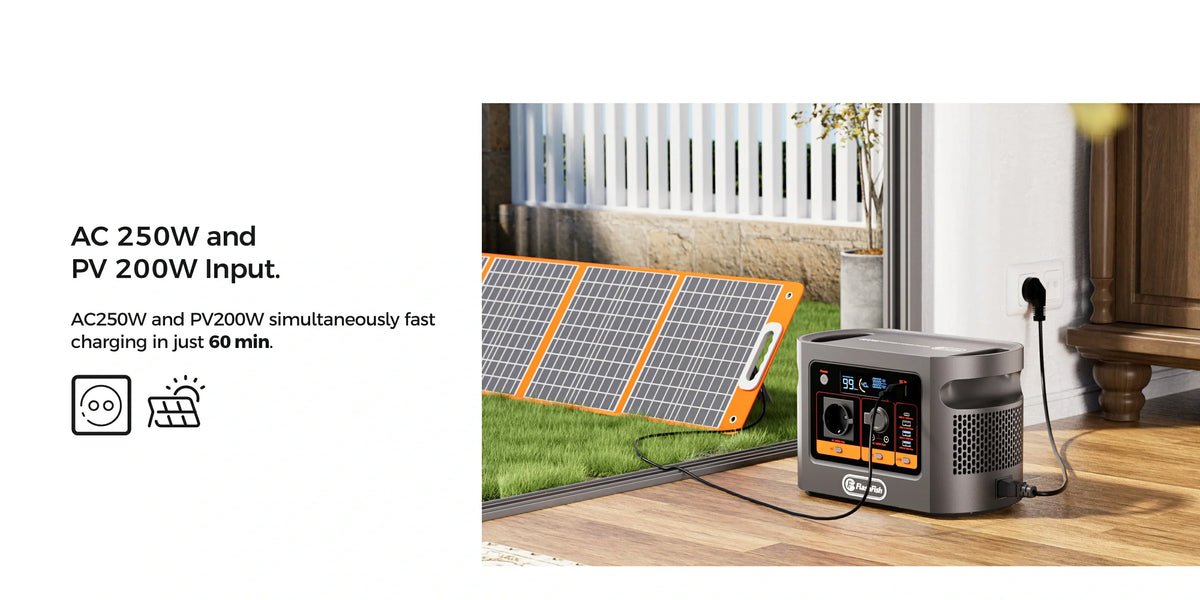
Battery Voltage vs 12V DC and 230V AC Output
Use PACK-PATH-PORT-LOAD: separate the internal battery pack from each conversion path, read the selected port's limits and then match the complete load without treating one voltage as universal.

How Much Does It Cost to Recharge a Power Station?
Use METER-TARIFF-COST: measure the complete wall-energy session, identify the tariff that applies during it, then multiply before rounding and recording conditions.

Portable Power Station Net Weight vs Shipping Weight
A weight number is useful only when its boundary is clear. Compare the unit, inner box, outer carton and complete carried kit separately before making a buying or packing decision.

Power Lifting vs Surge Watts: What Buyers Should Know
A four-label screen separates sustained output, short surge, manufacturer-specific voltage-adjusting boost modes and stored energy before any appliance decision.

Why a 65W Charger Does Not Always Draw 65W
RATED separates the nameplate ceiling, negotiated demand, task phase, efficiency path and direct measurement so buyers stop treating 65W as constant draw or session energy.

Why a Portable Power Station Fan Runs After the Load Stops
FAN records the function before the event, airflow and ambient conditions, noise character and time pattern so users can distinguish a plausible cool-down cycle from a stop-and-support case.

Why a USB Power Meter and Power Station Display Disagree
POINT asks where the reading is taken, when it is sampled, which unit is shown, what USB state was negotiated and whether test conditions stayed constant.

Should You Calibrate a Portable Power Station Battery?
CHECK treats calibration as a model-specific gauge procedure, not a generic battery cure: capture the symptom, use the exact handbook, execute only authorised steps and confirm the result.
Can You Take a Portable Power Station on a Plane?
BOARD separates Battery rating, Operator policy, Appropriate baggage, Risk condition and Documentation so an under-100Wh label is not mistaken for acceptance.

CE Marking on Portable Power Stations: What It Means
MARK turns a logo check into an exact-model evidence process: Match the product, identify Applicable rules, Read the declaration and Keep the product within documented use.