

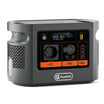
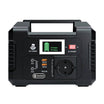

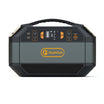
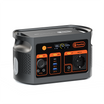


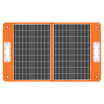
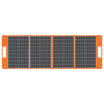


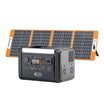

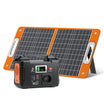

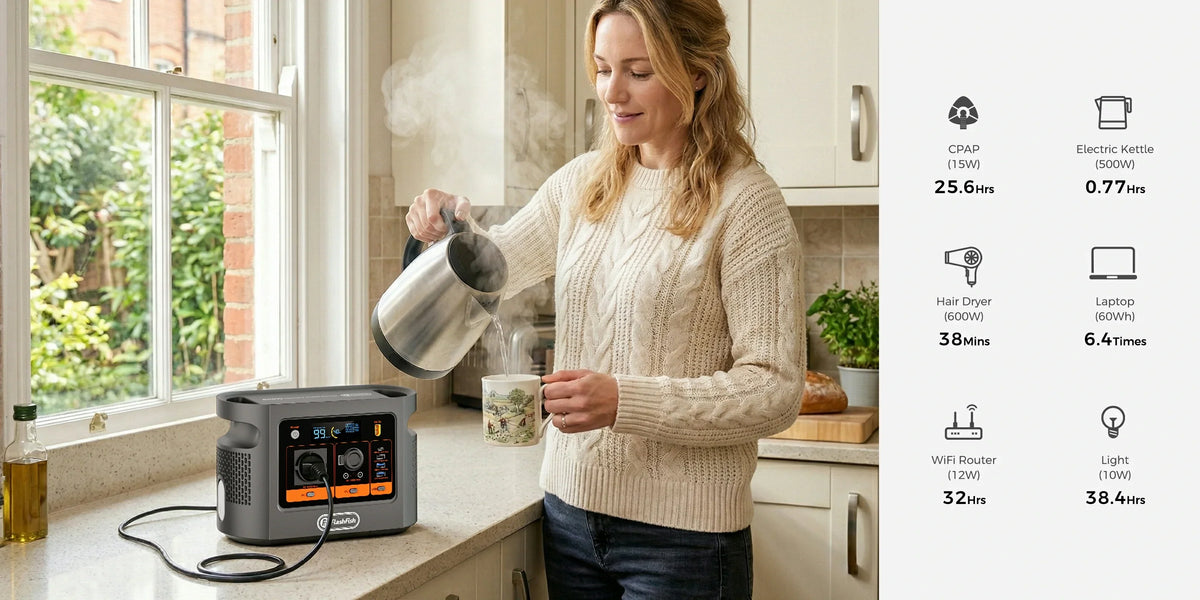
Short answer: FlashFish E106B can enter the shortlist for a mobile barber using an electric clipper and task light when the exact appliance labels, regional adapters and combined load are verified first. Its documented envelope is 384Wh nominal energy, one 230V regional AC outlet and 600W shared pure-sine AC output. Those figures do not prove that every clipper will run or that a setup will last through a booked session.
The useful framework is two power paths plus one continuity plan: map the clipper, map the light, then decide how the current service ends if either path stops. This is more professional than adding headline watts and guessing an all-day runtime.
Map the two power paths before the first booking
| Path | Evidence to record | Decision test |
|---|---|---|
| Clipper | Exact model, corded or rechargeable mode, adapter input, plug, voltage and whether operation while charging is allowed | The delivered equipment matches the regional supply and its maximum input fits the chosen E106B output. |
| Task light | Adapter input or USB profile, cable length, placement and brightness used during a service | The light remains stable without sharing an undocumented port group or creating glare, heat or a trip path. |
| Continuity | Backup clipper charge, separate light, original adapters and stop conditions | The current service can be finished or paused without improvising a damaged or incompatible connection. |
Decision step: Compare E106B with your exact clipper and light labels, including every charger and any multi-socket lead rather than only the two headline devices.
What E106B contributes—and what it cannot establish
The authoritative FlashFish record lists 384Wh nominal energy, 600W shared AC output, one AC outlet and a station mass of approximately 5.2kg. The AC figure screens maximum simultaneous load; the Wh figure supports energy planning. Neither value is a measured haircut count, and available AC energy will be lower than the nominal battery figure because the inverter and connected equipment consume energy.
A cordless clipper can still have an AC load. For example, the Wahl ChromStyle instructions identify Adapter 6000 at a maximum 12W and 100-240V, 50-60Hz. That is a useful label-reading example, not a statement about every Wahl product or proof that this clipper was tested with E106B.
Three setup examples that change the decision
1. Cordless clipper on its 12W charging adapter plus an AC task light
The documented Wahl adapter example is a small paper load, but the exact light and any charging-during-use rule still control. E106B has one AC outlet, so two AC adapters may require one correctly rated lead. The lead adds sockets; it does not raise the 600W ceiling.
2. A corded clipper and a mains-powered light
Read both rating plates and use the highest simultaneous input, not the clipper's marketing category. Check the cord for cuts, taped repairs, loose strain relief or heat marks. Position the station and lead where neither the barber nor client can catch the cable.
3. A USB-rechargeable clipper and USB task light
This may avoid the single AC outlet, but USB-C and USB-A labels still matter. Confirm voltage, current, cable and any shared port limits. A connector that fits is not evidence that the source and device support the same charging profile.
Run one measured service before relying on the setup
- Charge E106B and the backup clipper according to their manuals.
- Place the station on a stable, dry, ventilated surface away from sprays, wet towels and hair accumulation.
- Connect only the exact clipper and light paths recorded on the worksheet.
- Run a representative service, including normal light brightness, clipper pauses and any charger use.
- Record starting and ending battery percentage plus measured watt-hours when suitable equipment is available.
- Repeat the test and keep a reserve for finishing the current service rather than converting one result into an all-day promise.
Common mistakes
- Using the clipper battery voltage as if it were wall input.
- Counting a charger's printed maximum as constant demand without observing the actual service cycle.
- Adding sockets with a lead and assuming output capacity also increased.
- Daisy-chaining leads or leaving a cable reel wound.
- Placing plugs near liquids or allowing leads to cross the client's path.
- Planning bookings without a charged backup clipper or light.
The UK Health and Safety Executive advises checking that equipment suits the supply, reading the rating plate, inspecting cables and watching for overheating. Electrical Safety First adds that extension devices must not be overloaded or daisy-chained and cable reels should be fully unwound. These are general boundaries; the venue's rules and the delivered equipment manuals still control.
When FlashFish E106B fits
- The temporary workstation is indoors, dry, stable and supervised.
- The exact clipper and light paths are documented and remain within the applicable output limits.
- The single AC outlet and any USB sharing limits are planned before setup.
- A representative service test leaves a practical finishing reserve.
- The 5.2kg station, leads and adapters can be carried and placed without obstructing the work area.
When it does not fit
- A clipper, steriliser, dryer or other unplanned device has an unknown or over-ceiling input.
- The setup will be exposed to liquids, rain, unstable furniture or uncontrolled public access.
- A damaged cable, loose plug, burning smell, heat or repeated trip appears.
- The business requires uninterrupted service but has no charged backup tool or light.
- The operating plan depends on an unmeasured all-day runtime claim.
Frequently asked questions
Can E106B run every electric hair clipper?
No blanket answer is defensible. Read the exact clipper or charger input label, confirm the regional plug and voltage, include the task light and every simultaneous load, then test the complete setup before a client session.
Is a rechargeable clipper always a lower load than a corded clipper?
Not necessarily. The relevant figure is the delivered charger or adapter input, not the battery description. Some rechargeable models can also run from their adapter, which may change the operating and charging path.
Can I use a multi-socket lead with E106B's single AC outlet?
Only use an undamaged correctly rated lead suitable for the region and complete load. It adds sockets, not output capacity. Do not daisy-chain leads, and keep the cable fully unwound and away from foot traffic.
How should a mobile barber estimate operating time?
Measure watt-hours during a representative service with the exact clipper, charger, light and normal pauses. Repeat the test and reserve energy for finishing the current service; do not promise runtime from 384Wh divided by one label value.
What backup should a mobile barber carry?
Keep a charged backup clipper, a separate light or daylight plan, the original adapters and a way to finish or pause the service if any power path becomes damaged, hot or unavailable.
Before purchase: Ask FlashFish support to review your two power paths, including the delivered regional labels and every simultaneous device.
Sources and evidence limits
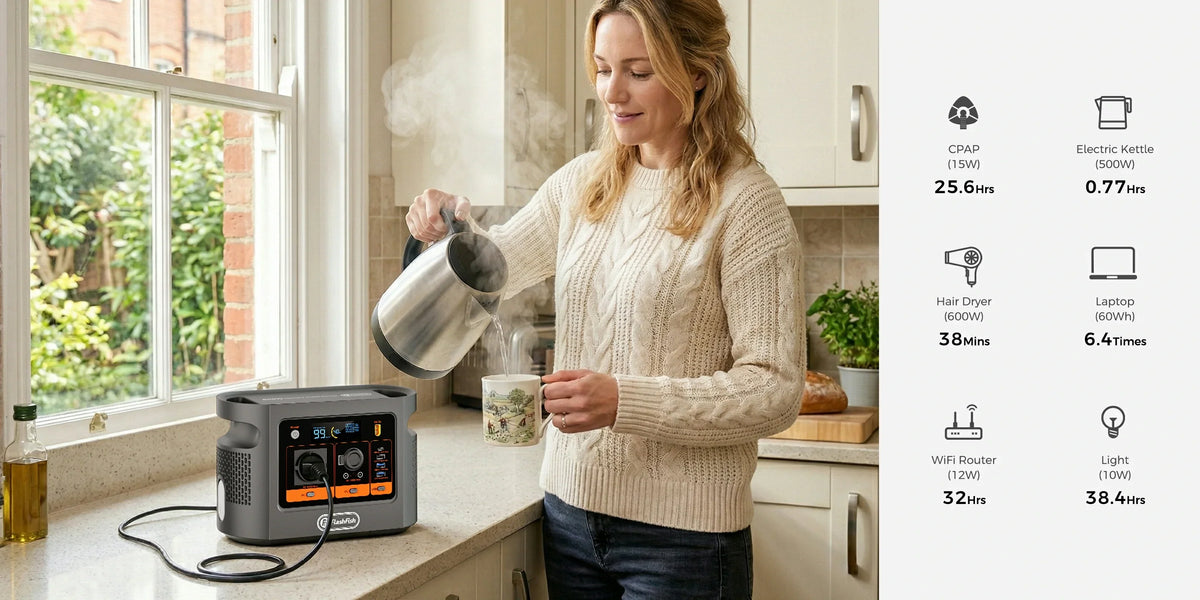
Checked 9 October 2026. E106B facts come from the authoritative FlashFish manual-derived local record; the current Europe product page and same-day Admin snapshot establish an active public route. Wahl supplies the bounded 12W adapter example. HSE and Electrical Safety First support the equipment and lead checks. FlashFish publishes this guide. No mobile-barber workstation, clipper, light, extension lead, service duration or client outcome was tested, and the selected image is context rather than evidence.



Залишити коментар
This site is protected by hCaptcha and the hCaptcha Privacy Policy and Terms of Service apply.