




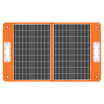
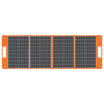


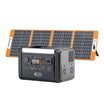

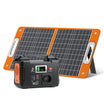

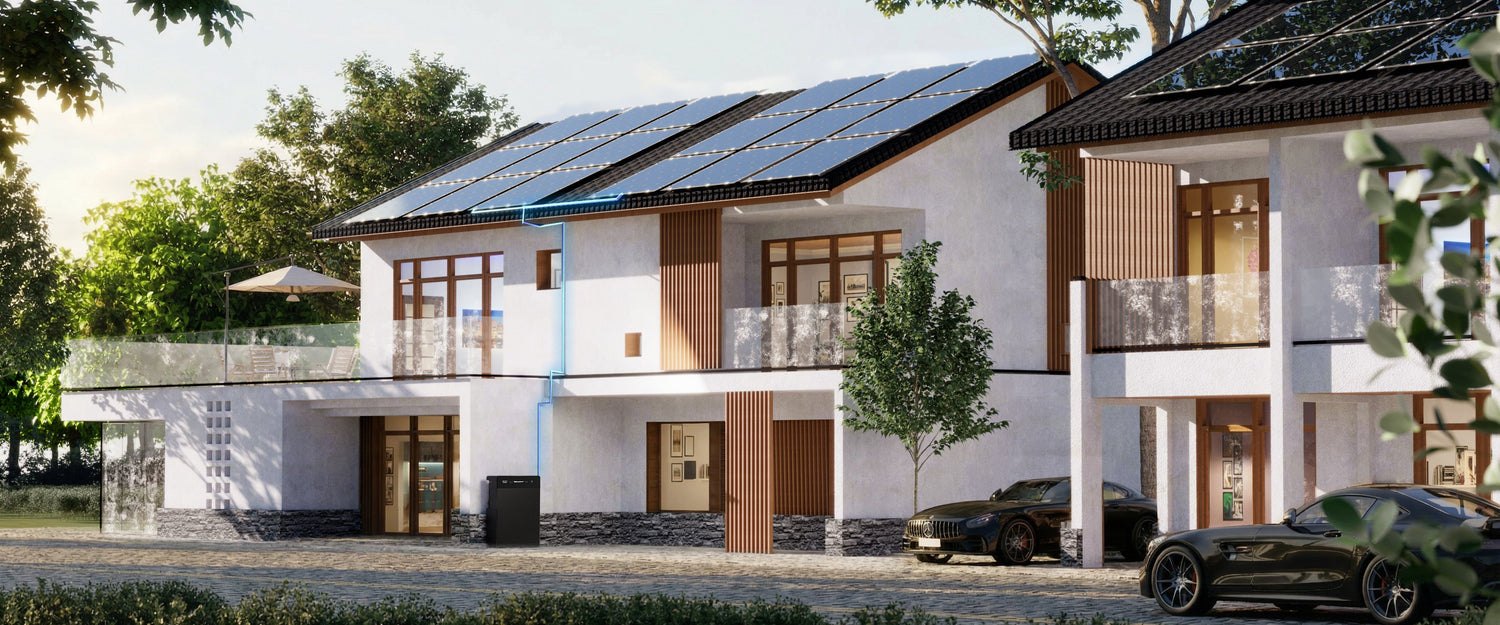
Short answer: a portable power station is usually the simpler renter option when you need movable power for selected devices and do not have permission for a fixed solar or storage installation. Consider balcony or home storage only after the lease, landlord or building rules, local grid requirements, mounting plan and qualified-technician requirements are clear.
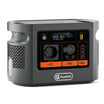
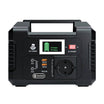
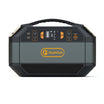
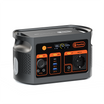
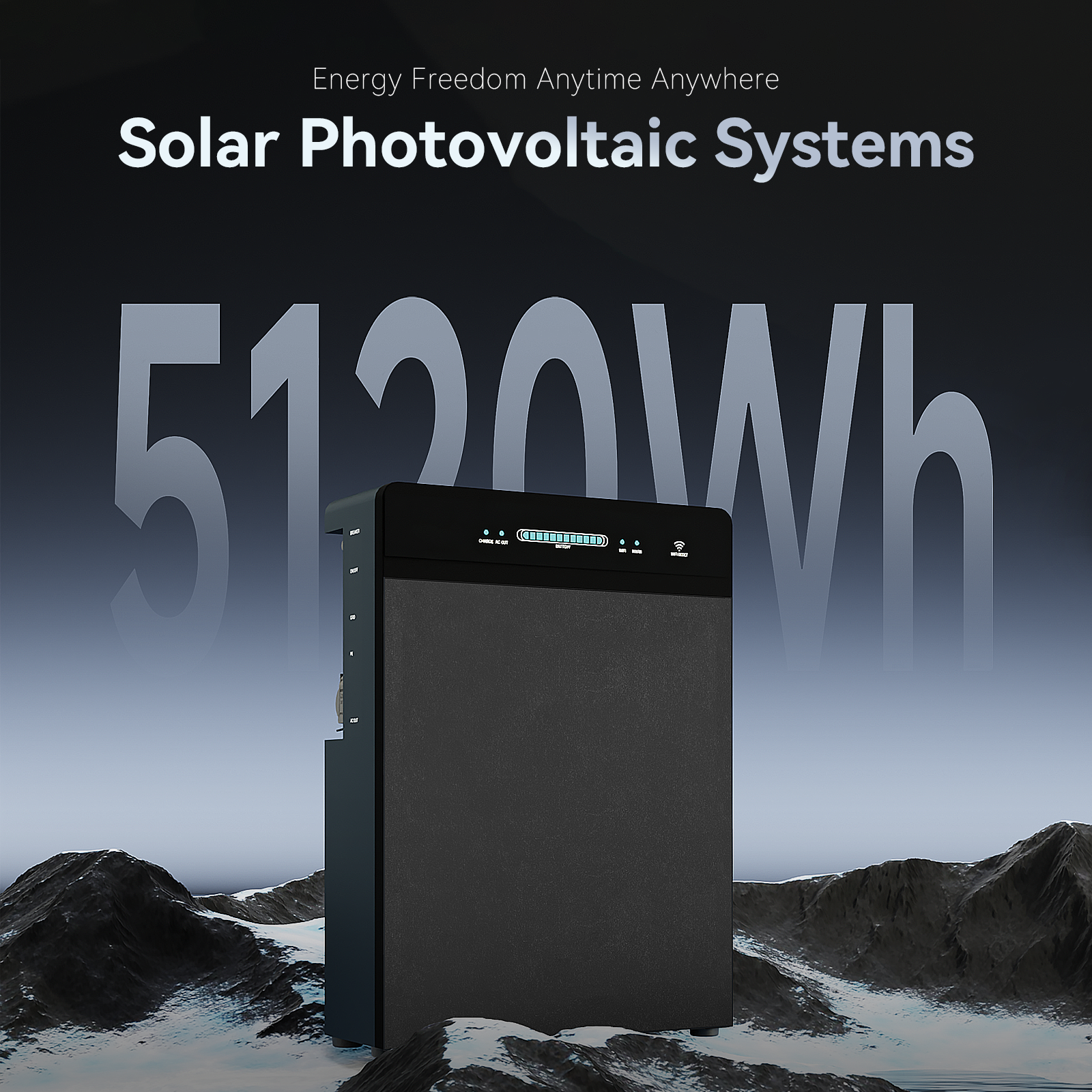
These categories solve different problems. A portable station such as FlashFish T1200S or T2000 supplies checked devices from its own outlets. A system such as SR5000 is a 5.12kWh home-energy-storage product whose manual requires grounding and qualified technicians for installation and maintenance. It should not be treated as a suitcase battery.
The renter decision in one table
| Question | Portable power station | Balcony/home storage |
|---|---|---|
| Primary job | Moveable power for selected devices, camping or short outages. | Store and manage solar or grid energy as part of a property-based system. |
| Permission risk | Usually lower when used as an ordinary portable appliance within its manual. | Higher: lease, landlord, building, mounting, grid and country rules may apply. |
| Installation | No building wiring; connect only approved loads to the station's own outlets. | System design, grounding and qualified technical work may be required. |
| Mobility | T1200S: 12.45kg; T2000: 19.2kg in the FlashFish product specifications. | SR5000: 59kg; designed as a home-storage unit rather than carry equipment. |
| Capacity class | T1200S: 768Wh; T2000: 1536Wh. | SR5000: 5120Wh. |
| Output class | T1200S: 1200W continuous AC; T2000: 2000W. | SR5000: 2400W rated off-grid AC output. |
| Moving home | Designed to be moved, subject to safe transport and storage. | Removal, reinstallation and permissions need planning and qualified review. |
Choose portable power when mobility is the real requirement
A portable station is the stronger fit for a renter who wants to power a router, laptop, phones, lights, camera equipment or another checked load during a short interruption. The user keeps control of the device and can move it between rooms, trips and a future home without modifying the building.
That does not turn a portable station into apartment wiring. Do not connect it to a wall socket to backfeed a circuit, improvise a transfer arrangement or route cables through doors and windows where they can be crushed or exposed to water. Use only the station's approved outlets and correctly rated equipment.
Choose fixed storage only after permission and system questions are answered
Plug-in and balcony solar are growing in Europe. SolarPower Europe describes plug-in PV as a fast-emerging segment and notes that regulations and installation practices differ across markets. Its report calls for clear product standards and installation guidelines.
Storage adds another layer. VDE's 2025 plug-in solar standard announcement states that plug-in solar devices with energy storage are outside the scope of that specific standard and require additional requirements. That is a strong reason not to treat one country's balcony-solar rule as a Europe-wide approval for a storage system.
Seven questions for renters before considering SR5000
- Does the lease permit panels, mounting equipment, exterior cables or a storage unit?
- Does the landlord, owners' association or building manager require written approval?
- What registration, grid-connection, inverter and plug rules apply in this country and network area?
- Where will the 59kg unit stand, and can the location maintain the manual's required ventilation and clearances?
- Who will verify grounding and complete installation and future maintenance?
- How will the system be removed and made safe when the tenancy ends?
- Is the goal solar self-consumption, selected-load backup, tariff shifting or something else-and is that goal supported without a savings promise?
Product-fit examples
| Renter situation | Better category fit | Reason |
|---|---|---|
| One-year lease; needs laptop, router and light backup | Portable station | Movable selected-load use with no fixed property installation. |
| Long tenancy; written approval; suitable PV; technician and local grid path confirmed | Fixed storage may be considered | The system question has been cleared before product selection. |
| No landlord response; uncertain balcony mounting; wants quick savings | Do not buy fixed storage yet | Permission, installation and economic assumptions are unresolved. |
| Needs medical or every-circuit backup | Neither article recommendation is sufficient | Requires professional system design, risk assessment and a separate resilience plan. |
When FlashFish fits
- T1200S fits renters who want a mid-size portable station for checked selected loads and easier movement.
- T2000 fits renters who accept more weight in exchange for more capacity and continuous AC-output headroom.
- SR5000 may fit a permission-cleared property-based energy plan with qualified technical support.
- All options fit only when the product manual, load plan, local rules and installation context agree.
When FlashFish does not fit
- The landlord, lease, building or local authority has not cleared a fixed installation.
- You want to backfeed apartment wiring from a portable station.
- You need fixed bill savings, payback, solar yield or every-circuit runtime.
- You need critical-health-device backup or a professionally specified emergency-power system.
- You need an ingress rating or installation approval that the product database does not provide.
Renter-safe next step
If mobility is the priority, start with the portable power station collection and calculate the selected loads. If fixed solar self-consumption is the priority, review the balcony solar storage collection only after permission and technical checks. Do not buy the storage unit first and solve the building questions later.
Safety and legal boundary
This guide is not country-specific legal or electrical advice. Rules vary across Europe and can change. SR5000 manual data requires grounding and qualified technicians for installation and maintenance. Portable stations must not be used to improvise building wiring. Electrical Safety First warns that running an extension lead through a window or door can create damage and water-ingress risks.
FAQ
Is a balcony battery the same as a portable power station?
No. A balcony or home-storage system is designed around a fixed energy setup and may involve grid, PV and installation requirements. A portable station supplies selected devices from its own outlets and is not a substitute for a wired home system.
Should a renter ask the landlord before installing balcony solar storage?
Yes. Check the lease, landlord or building rules, mounting permissions, local grid and registration requirements, and qualified-installer needs before purchase or installation.
Can T1200S or T2000 feed power into an apartment circuit?
This guide does not recommend that. Treat them as portable selected-load stations used through their own approved outlets and cables. Do not improvise backfeed or building wiring.
Is SR5000 portable enough to move between rentals?
The FlashFish product specifications lists SR5000 at 59 kg and requires grounding plus qualified technicians for installation and maintenance. That makes it a fixed-system decision, not ordinary carry equipment.
Which option is better during a short power cut?
For a renter who needs a movable source for a router, laptop, lights or other checked loads, a portable station is usually the simpler category. A fixed storage system may fit broader energy goals only after permissions and technical requirements are cleared.
Sources and further reading
- FlashFish product specifications, accessed 2026-06-29: primary source for SR5000, T1200S and T2000 capacity, output, weight and SR5000 installation notes.
- FlashFish Europe product listing on 2026-06-29: SR5000, T1200S and T2000 were ACTIVE with non-empty Europe-store URLs.
- SolarPower Europe: plug-in solar PV report announcement, used for European market and regulatory-variation context.
- VDE/DKE: product standard for plug-in solar devices, used to show that storage requires additional requirements and that country-specific technical rules matter.
- Electrical Safety First: balcony/window extension-lead risk, used for cable-routing precautions.
For renters, permission and mobility decide the category before capacity decides the model.



Hinterlasse einen Kommentar
Diese Website ist durch hCaptcha geschützt und es gelten die allgemeinen Geschäftsbedingungen und Datenschutzbestimmungen von hCaptcha.