

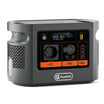
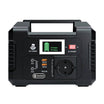

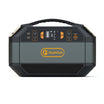
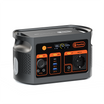


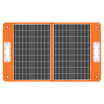
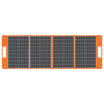


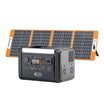

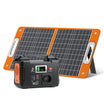

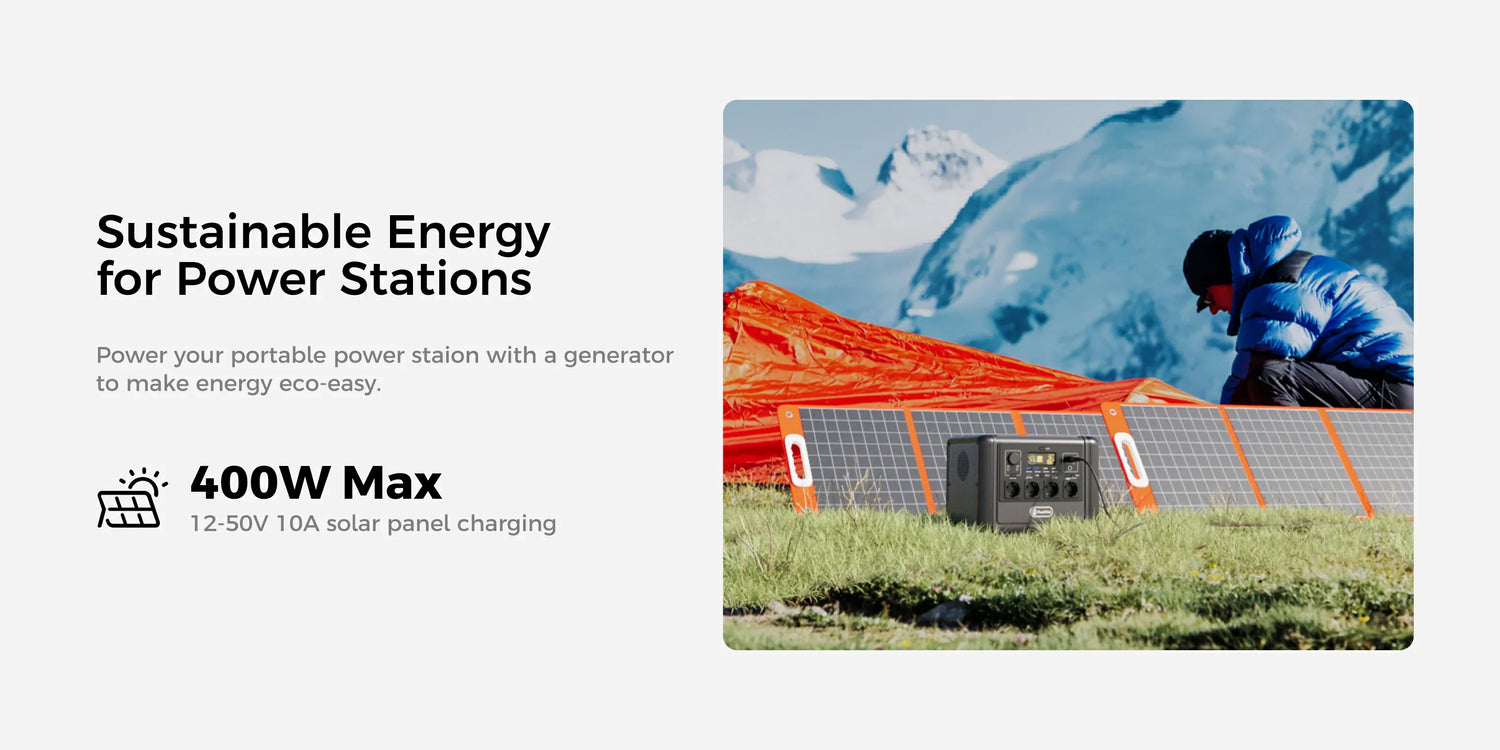
Short answer: the FlashFish T1200S should be paired with solar panels only after checking the station input limit, panel voltage/current, connectors, cable condition, weather exposure and realistic sunlight. The local product database lists T1200S at 768Wh, LiFePO4 chemistry, 1200W continuous pure-sine AC output, 2400W peak output, 100W USB-C, 12.45kg weight and up to 400W solar/DC input.
This checklist is for Europe buyers comparing T1200S with portable panels such as TSP100. It does not promise a fixed recharge time because panel rating, sun angle, shade, temperature, cable loss and charging behaviour vary.
The six checks before pairing a panel
| Check | What to verify | Why it matters |
|---|---|---|
| Station solar/DC input | T1200S: up to 400W solar/DC input from the product-source bundle. | The station cannot use unlimited panel wattage. |
| Panel output | TSP100: 100W foldable monocrystalline solar panel with 18V DC output from the product-source bundle. | Panel rating and electrical range must fit the station input path. |
| Connectors and cables | Confirm compatible connector, polarity and cable condition from the manuals or product page. | Incorrect cabling can prevent charging or create avoidable risk. |
| Sun conditions | Check location, season, shade, orientation and panel angle. | Real output is often below nameplate rating. |
| Operating placement | Keep equipment stable, dry and ventilated; avoid trip hazards. | Outdoor use adds weather and cable risks. |
| Load while charging | List any connected devices and their watts. | Running loads can reduce the net energy going into the battery. |
How TSP100 fits the checklist
The product database lists TSP100 / TSP18V100W as a 100W foldable monocrystalline solar panel with 18V DC output, 65W USB-C max, 2.8kg weight and folded dimensions of 415x402mm. It can be discussed as a portable solar top-up option for T1200S only when connector and input compatibility are verified. This article does not claim assured 100W real-world output or a fixed T1200S recharge time.
The current Europe Shopify snapshot shows both the standalone T1200S and TSP100 product pages are ACTIVE with non-empty Europe URLs on 16 July 2026. The T1200S + TSP100 kit URL exists but showed zero total inventory in the snapshot, so this draft links to the active individual product pages rather than making bundle-availability claims.
Step-by-step setup logic
- Start from the station: confirm T1200S input path and supported limits before choosing panel quantity.
- Check the panel: compare TSP100 output and connector details against the station manual or product page.
- Plan the physical site: avoid shade, unstable surfaces, wet connectors and cable paths people may trip over.
- Set expectations: use PVGIS or local solar tools to understand why season and location affect output.
- Use conservative wording: say "top-up" or "solar charging opportunity" unless a tested setup supports a stronger claim.
- Review after first use: if charging is lower than expected, inspect shade, angle, cable, panel cleanliness and battery state.
Common mistakes
- Adding panel nameplate watts without checking the station input ceiling.
- Assuming four 100W panels always deliver 400W in real conditions.
- Ignoring voltage, current, connector and polarity compatibility.
- Leaving cable reels or extension leads coiled or overloaded.
- Using solar output estimates as fixed recharge-time promises.
- Pairing a panel because it "looks similar" rather than checking manuals.
When T1200S plus portable solar fits
It can fit camping, garden-office or selected-load planning when the user has sun exposure, safe placement, compatible cabling and a load list that fits the T1200S output and energy reserve. It is especially useful when the buyer wants a mid-capacity portable station and understands that solar is a variable refill path, not a certainty.
When it does not fit
It does not fit when the site is shaded, the buyer needs fixed fast recharging, connectors are uncertain, weather protection is poor, or the application requires a professionally installed fixed system. It also does not replace local electrical rules or device manuals.
Frequently asked questions
Can T1200S use more than 400W of solar input?
The local FlashFish database lists up to 400W solar/DC input for T1200S. Do not plan above the verified station input limit.
Does a 100W panel always make 100W?
No. Real output depends on sun intensity, angle, shade, temperature, cable loss and panel condition.
Can TSP100 charge devices directly?
The product database lists USB-C up to 65W for TSP100, but compatibility with a device should still be checked from the device and panel documentation.
Is a solar kit better than wall charging?
It depends on use case. Wall charging is usually more predictable; solar adds portability and resilience but varies with conditions.
Can I use any third-party panel?
Only after verifying voltage, current, connector, polarity and safety limits. Universal compatibility is not claimed here.
Why avoid fixed recharge-time claims?
Because real solar charging varies by location, weather, angle, shade and charge behaviour. A fixed time would need tested conditions.
Sources and further reading
- European Commission JRC: PVGIS 5 user manual - supports solar-variability and location-dependent planning.
- Electrical Safety First: extension leads and cable reels - supports cable and overload cautions.
- FlashFish product-source bundle and Europe Shopify snapshot, accessed 16 July 2026, for T1200S/TSP100 facts and product status.
Human review note: recheck T1200S and TSP100 manuals, connector details and current Europe product pages before publication. This is a pairing checklist, not a tested solar recharge-time claim.
Related FlashFish resources
Use this video or guide as practical context, then check the current Europe pages below before choosing a product. Availability, regional configuration and bundle contents can change; the linked store page is the current source for the offer.




Hinterlasse einen Kommentar
Diese Website ist durch hCaptcha geschützt und es gelten die allgemeinen Geschäftsbedingungen und Datenschutzbestimmungen von hCaptcha.