






50Hz vs 60Hz on Portable Power Stations in Europe
A European plug and a 230V label are not enough: the station output and appliance input must also agree on frequency. LABEL MATCH turns 50Hz versus 60Hz into a safe stop-or-proceed check without gi...

Can One Portable Power Station Charge Another?
Sometimes one station can power another station's original AC charger, but it is an energy transfer with conversion losses—not a larger shared battery. Use the TRANSFER method and stop when any vol...
Nominal Wh vs Delivered Energy: Read Power Station Tests
Define the measurement boundary before calculating an energy ratio. A copyable test-report card separates battery labels, output-meter results, charger inputs and incomplete sessions.

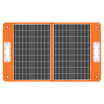
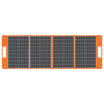
Why a 60W Solar Panel Does Not Give E200 60W Input
Use THREE CEILINGS—panel nameplate, electrical fit and station acceptance—to explain why E200's documented 40W input limit remains decisive before sunlight and conversion losses are considered.
Portable Power Station THD: What Pure Sine Wave Does Not Prove
Use PROOF to keep a waveform label separate from a numeric THD result: identify the parameter, required device evidence, operating load and measurement method before comparing stations.
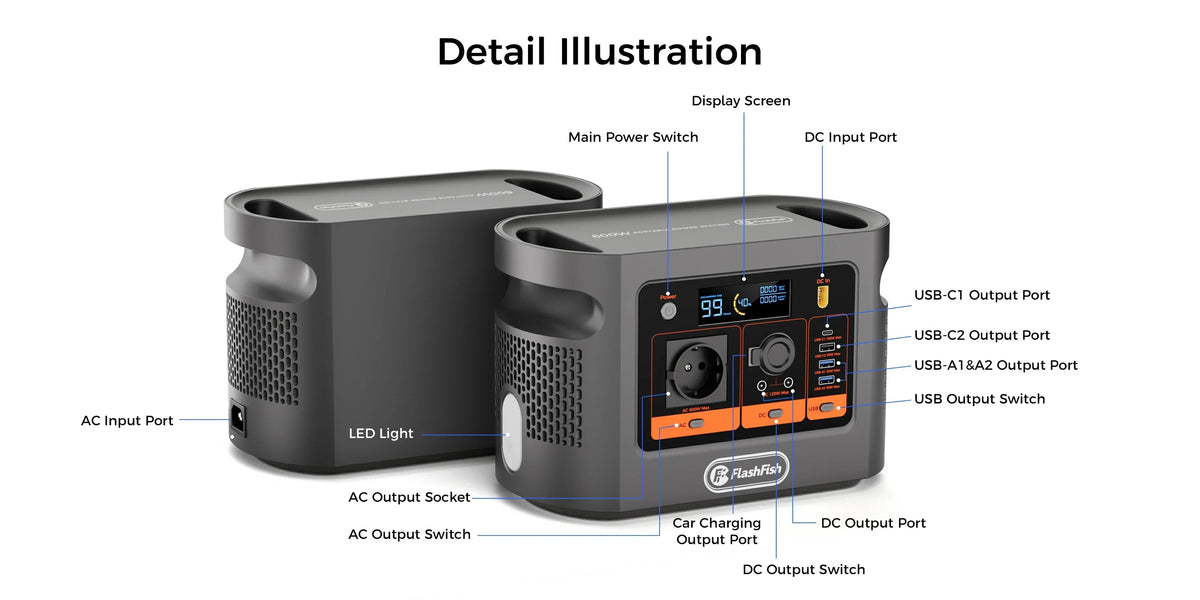
What Does Shared 120W Mean on the E106B 12V Outputs?
Use BUDGET to treat the E106B's two DC5521 ports and car socket as one documented 12V, 10A, 120W output group rather than three separate 120W supplies.
Calendar Ageing vs Cycle Ageing in Portable Power Stations
Use TWO CLOCKS to judge battery-life evidence by both time at real conditions and charge-discharge throughput, then check temperature, state of charge and test endpoints.
What Counts as One Battery Cycle in a Portable Power Station?
A battery cycle usually describes cumulative charge-discharge throughput, but meaningful comparison also needs operating window, test conditions, end criterion and calendar time.
Battery Internal Resistance: What Power Station Buyers Need to Know
The DROP framework explains that voltage sag depends on demand, impedance, operating conditions and protection boundaries, so buyers should not treat nominal Wh or one loaded-voltage observation as...
Battery Cell Balancing in Portable Power Stations Explained
BALANCE distinguishes state-of-charge mismatch, passive dissipation, active redistribution, weakest-cell pack limits, evidence gaps and no-DIY boundaries without assigning an undocumented balancing...
Depth of Discharge vs State of Charge in Power Stations
The DEPTH framework separates a displayed charge estimate from model-defined discharge depth, delivered energy, protection controls and the manufacturer evidence needed to interpret each number.
USB-C, 12V or AC: Which Power Station Output Should You Use?
The PATH method chooses an output from the device's complete electrical contract, not connector shape or a blanket claim that direct DC is always best.
Portable Power Station C-Rate Explained for Buyers
The RATE method separates battery current from AC watts and explains why capacity, voltage, BMS, inverter and manufacturer limits must not be collapsed into one C-rate shortcut.
How to Measure Appliance Energy Before Buying a Power Station
The METER method turns a suitable plug-in energy meter into a repeatable buyer record: operating mode, equipment chain, timed Wh, event peaks, repeat runs and reserve—without claiming that one read...
Portable Power Station Protection Shutdown: What to Record
The RESET record separates the exact response, equipment, sequence, environment and trigger from any diagnosis, then routes the next step through stop conditions, a single manual-approved check or ...
Product Page vs Manual: Which Power Station Spec Should You Trust?
TRACE resolves specification conflicts by checking exact type and region, the delivered rating label, aligned current evidence, a constrained claim boundary and an explicit support escalation.
RCD and Earthing Checks for Portable Power Stations
The EARTH method separates appliance class, source topology, RCD behaviour, environment and qualified review so a familiar socket is never mistaken for complete fault protection.
Portable Power Station Storage Drain Explained
Use the DRAIN check—device state, recorded baseline, ambient conditions, inspection interval and next action—to separate cell self-discharge from standby loads, enabled outputs and an ageing or fau...
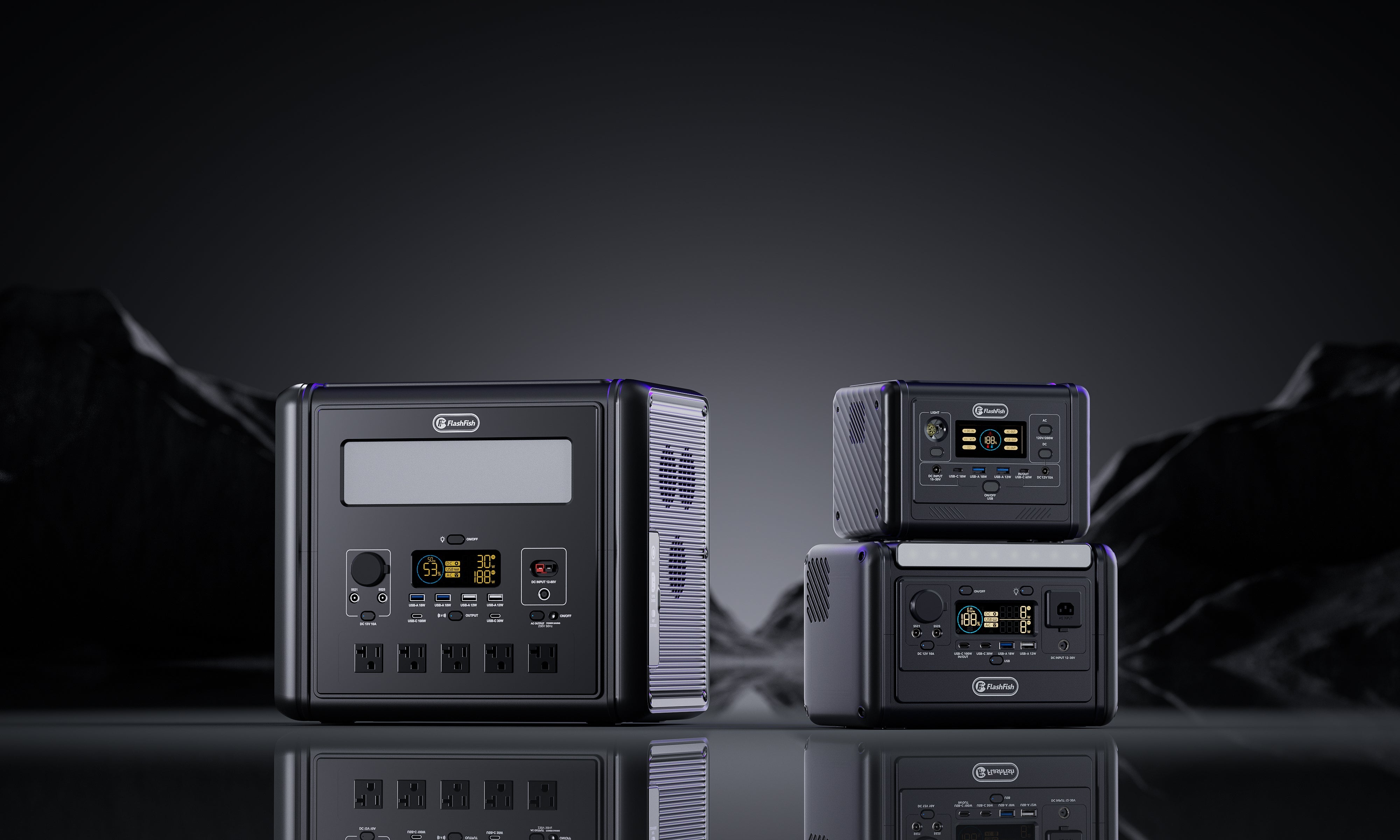
Round-Trip Efficiency in Portable Power Stations Explained
Use the LEDGER check—line input, electronics, delivered battery energy, gateway conversion, end-use load and repeatable conditions—to separate rated watt-hours from measured round-trip performance.
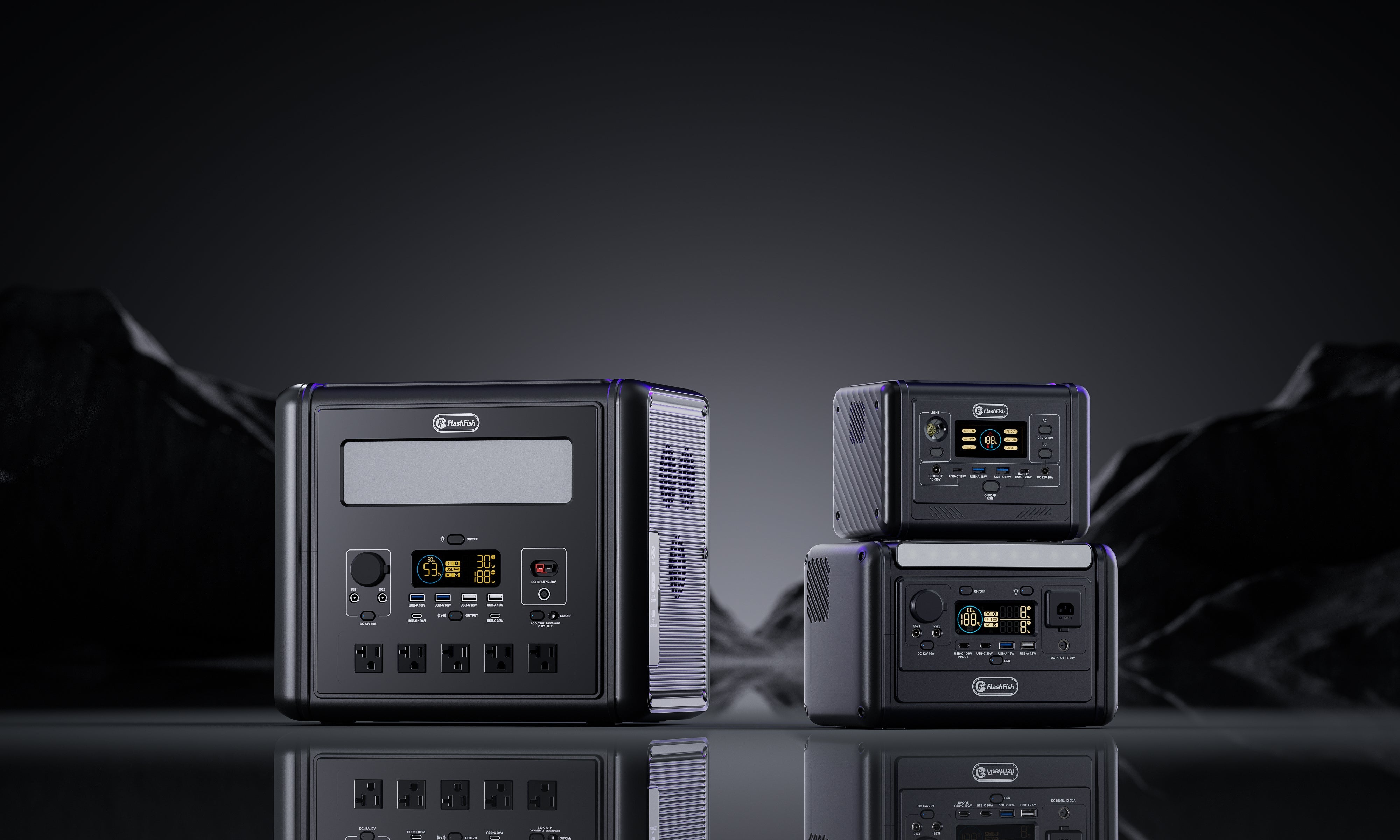
50 Hz vs 60 Hz: Power Station Compatibility in Europe
Use the FOUR check—frequency, output voltage, usable plug path and rated watts—because a plug that fits is not proof that an appliance is electrically compatible.
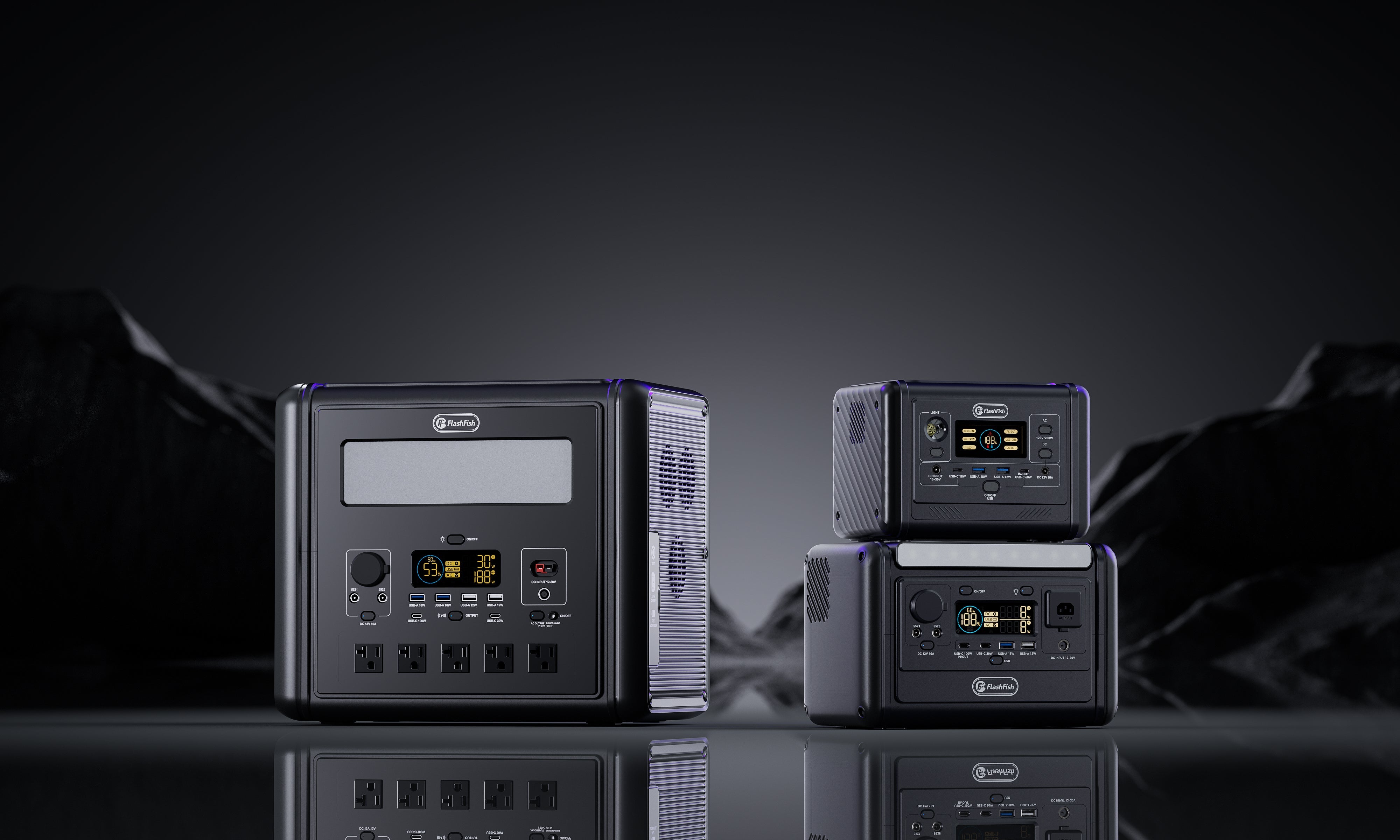
Overload vs Overtemperature Shutdown in Power Stations
Use the STOP framework to separate load-related shutdown clues from heat-related clues without treating a warning code as a diagnosis.
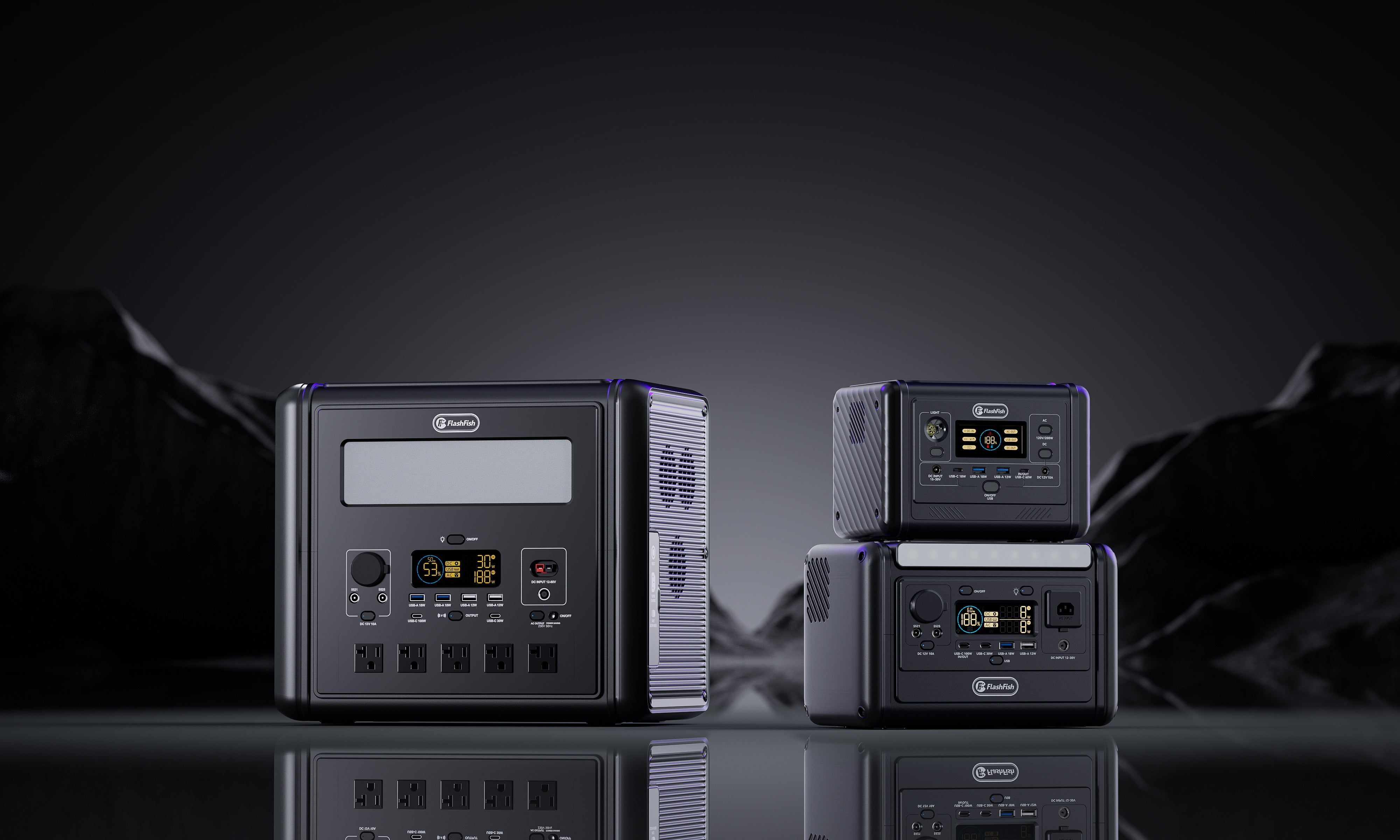
USB-C PD Watts vs Battery Capacity: What Each Number Means
Separate USB-C port power in watts from stored battery energy in watt-hours with the PORT framework before comparing a compact power station.
How to Measure Portable Power Station Fan Noise Fairly
Use the FAIR protocol to document distance, background sound, operating state and repeated readings before comparing portable power station fan noise.
Watts vs VA in Portable Power Stations: Power Factor Explained
Use the PAIR framework to separate watts, apparent power, power factor, inrush and documented inverter limits before sizing an AC load.