

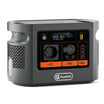
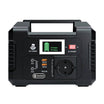

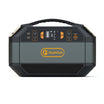
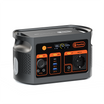


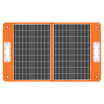
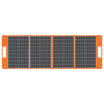


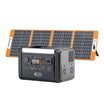

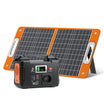

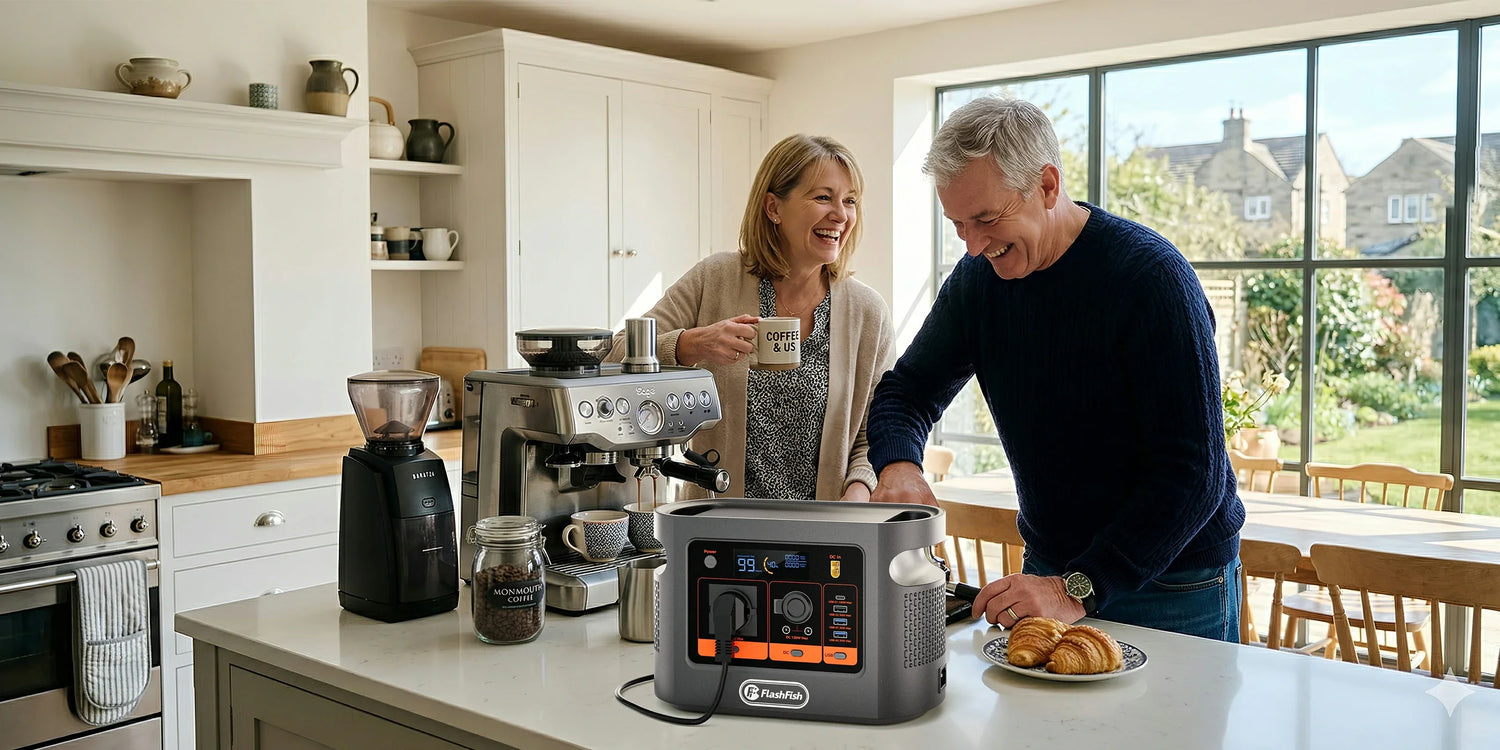
FlashFish E106B vs Jackery Explorer 500 v2 for Weekend Power
Short answer: choose FlashFish E106B when 384Wh is enough and you value a 600W AC ceiling plus approximately 5.2kg listed mass. Choose Jackery Explorer 500 v2 when its 512Wh capacity, two AC outlets or documented switch-over time below 10ms solves a real need. Neither is the universal winner.
Disclosure: this article is published by FlashFish. It compares manufacturer specifications and buyer-fit logic; it is not an independent review and no side-by-side runtime, noise, recharge, reliability or appliance test was performed.
The comparison uses the current E106B Europe page, the authoritative local FlashFish product database and Jackery's current Europe product page, all checked on 18 August 2026. Prices are deliberately excluded because country settings, variants and promotions can change faster than the article.
Quick CAMPER comparison
| CAMPER factor | FlashFish E106B | Jackery Explorer 500 v2 | Buyer takeaway |
|---|---|---|---|
| C — Capacity | 384Wh | 512Wh | Jackery lists 128Wh more rated energy before losses and reserve. |
| A — AC headroom | 600W continuous, pure sine | 500W continuous | E106B has 100W more continuous ceiling; neither figure proves startup fit. |
| M — Mass | Approx. 5.2kg | 5.7kg | E106B is about 0.5kg lighter by listed values. |
| P — Ports | One AC; USB-C up to 100W and 30W; two USB-A; DC/car group | Two AC; USB-C 100W and 30W; one USB-A; car port | Jackery has two AC outlets; compare simultaneous group limits, not port count alone. |
| E — Energy replenishment | 12–30V, 10A, 200W max solar/DC input | 200W maximum solar input | The headline solar ceiling is equal; voltage, connector, panels and conditions still differ. |
| R — Resilience evidence | Page says it is not a professional 0ms UPS; no comparable transfer time provided | Jackery states switch-over below 10ms | Jackery has the clearer documented continuity feature. |
C — Capacity: more Wh is useful only when the trip needs it
Jackery's 512Wh is 128Wh above E106B's 384Wh rated capacity. That matters for longer device use or a larger reserve, but it does not translate directly into fixed laptop charges, fridge hours or a two-day result. Output path, conversion losses, idle time, temperature and the real load list still decide delivered energy.
A — AC headroom: E106B lists the higher ceiling
E106B is listed at 600W continuous pure-sine AC output; Jackery lists 500W. E106B therefore offers 100W more paper headroom for a selected AC load. Do not treat an exact 500W or 600W appliance as automatically suitable. Startup behaviour, simultaneous loads, voltage/frequency and a reasonable operating margin remain separate gates.
M and P — Carry weight and ports
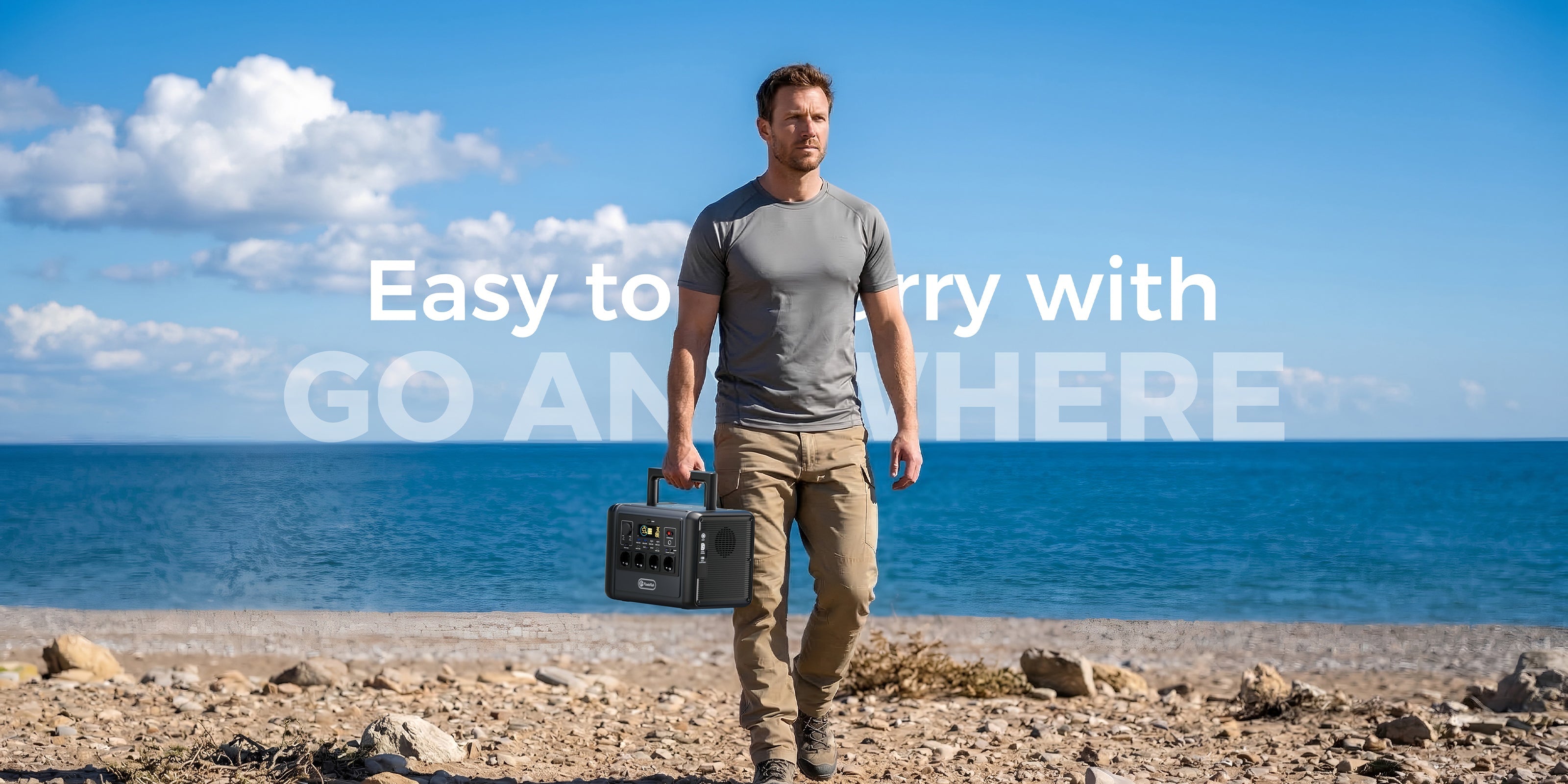
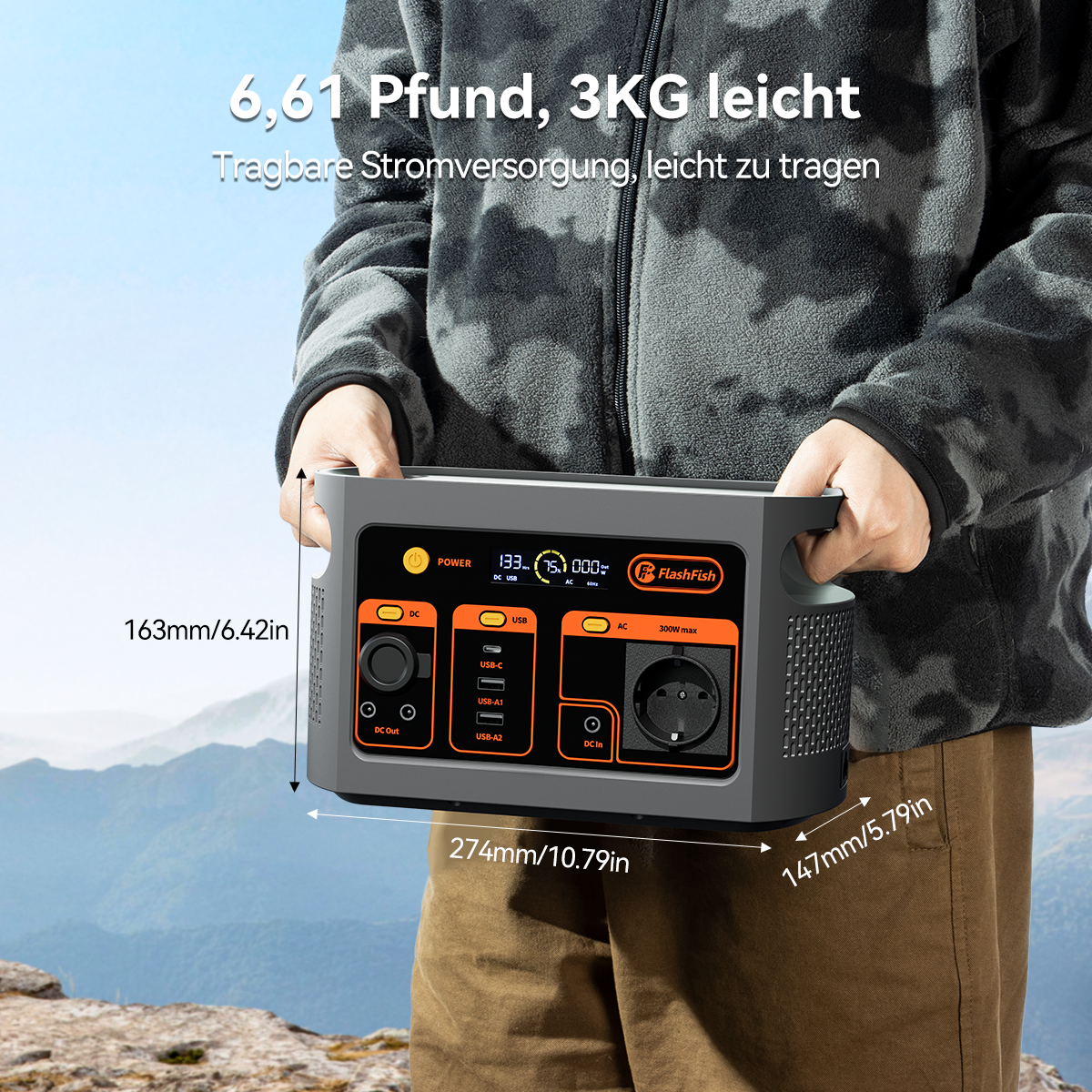
The local FlashFish database lists E106B at approximately 5.2kg, versus Jackery's 5.7kg. Half a kilogram can matter when carrying a station from car to pitch, but packing shape, handle comfort and dimensions should be checked in person.
Jackery lists two AC outlets, while E106B has one. Both list a 100W USB-C position plus a 30W USB-C position. E106B also has two USB-A outputs and a shared DC/car group in the product database. Port count is not aggregate power: read shared limits and total loads before connecting several devices.
E — Solar input: the same watt ceiling is not the same system
Both current product pages list a 200W maximum solar input. E106B's local data adds a 12–30V, 10A input window. Jackery's exact voltage, connector and panel rules must come from its current manual/page. Do not choose by 200W alone or promise a recharge time; panel voltage, current, connector, sun, angle, shade and temperature all matter.
R — Continuity evidence favours Jackery
Jackery publishes an automatic switch-over figure below 10ms for Explorer 500 v2. The E106B page explicitly says it is not a professional 0ms UPS and does not provide a comparable transfer-time value. If automatic continuity for a sensitive device is a purchase requirement, Jackery has the stronger documented specification. Device acceptance and data protection still require the device manufacturer and a suitable backup design.
Three weekend buyer cases
1. Mostly phones, cameras and a laptop
Both products have a 100W USB-C option. Start with device energy, cable/PD compatibility and reserve. Jackery's extra 128Wh may help a longer trip; E106B's lower listed mass may matter more for a short walk-in pitch.
2. One AC appliance near the 500W class
E106B's 600W ceiling provides more continuous paper headroom than Jackery's 500W. That still does not approve the appliance. Check startup, duty cycle, all other loads and the appliance manual; choose neither if the plan depends on an exact-limit match.
3. Automatic home-office continuity
Jackery is the evidence-led choice between these two when the published switch-over feature is required. E106B can still provide manually selected backup power, but this article does not infer a transfer time or uninterrupted behaviour.
Where FlashFish E106B fits
- Your measured weekend load list fits 384Wh with a reserve.
- You need up to 600W continuous AC headroom rather than Jackery's 500W class.
- You value the approximately 5.2kg listed mass and one AC outlet is enough.
- You accept that the current FlashFish database provides no E106B peak-output or battery-chemistry value for this comparison.
Where FlashFish does not fit
- You need Jackery's extra 128Wh rated capacity.
- You need two AC outlets or the documented switch-over feature.
- You require independent side-by-side evidence for noise, reliability, recharge time, usable energy or runtime.
- Your appliance needs more than 600W continuous power, undocumented startup headroom or an assured continuity design.
A fair pre-purchase checklist
- Write every load, port, wattage and planned use period.
- Separate rated capacity from delivered energy and retain a reserve.
- Check the highest AC load plus startup behaviour and simultaneous loads.
- Confirm the exact regional SKU, voltage, sockets, supplied cables and current manuals.
- Compare carry weight, dimensions, outlet count and USB/DC group limits.
- Recheck price, warranty, returns and stock on the purchase day; they are not compared here.
- Choose the smaller feature set only when it still passes every required job.
FAQ
Is FlashFish E106B an alternative to Jackery Explorer 500 v2?
Yes for buyers whose weekend plan fits 384Wh and who value the E106B's 600W AC ceiling and approximately 5.2kg listed mass. It is not a feature-for-feature substitute because Jackery lists 512Wh, two AC outlets and a documented switch-over time below 10ms.
Which station has more capacity?
Jackery lists 512Wh, while the FlashFish product database lists E106B at 384Wh. That is a 128Wh rated-capacity advantage for Jackery before conversion losses and reserve.
Which station has the higher continuous AC output?
E106B is listed at 600W continuous AC output. Jackery lists 500W. Exact appliance fit still depends on startup behaviour, voltage/frequency, total simultaneous load and the appliance manual.
Which station is lighter?
The FlashFish database lists E106B at approximately 5.2kg; Jackery lists Explorer 500 v2 at 5.7kg. The half-kilogram difference may matter for hand carrying, but dimensions and packing shape should also be checked.
Which is better for automatic backup?
Jackery publishes a switch-over time below 10ms for Explorer 500 v2. The E106B page says it is not a professional 0ms UPS and does not provide a comparable transfer-time value, so Jackery has the clearer evidence for that requirement.
Sources and evidence notes
- FlashFish Europe E106B page and the local product-source bundle — FlashFish specifications and explicit missing-field boundaries.
- FlashFish Europe portable power stations — current regional catalogue context.
- Jackery Europe Explorer 500 v2 page — competitor specifications checked 18 August 2026.
- Electrical Safety First appliance ratings — label and total-load context.
Editorial viewpoint: E106B buys output headroom and slightly lower listed mass; Jackery buys capacity, another AC outlet and clearer continuity evidence. The useful alternative is the one whose advantage solves the buyer's measured job.
Human review required before publication: competitor facts, FlashFish missing fields, disclosure, author/reviewer credentials, links, image crop and rendered FAQ/schema parity.



Leave a comment
This site is protected by hCaptcha and the hCaptcha Privacy Policy and Terms of Service apply.