

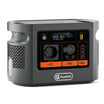
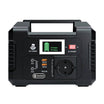

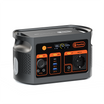


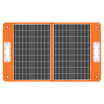
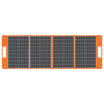


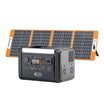

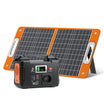

Short answer: FlashFish T1200S can be a practical field-power candidate for an astrophotography rig when the mount, cameras, controller, laptop or mini PC, focuser and dew heaters are inventoried separately. Verify every voltage, current, polarity and connector, then measure watts and watt-hours during a full rehearsal. Do not buy from an “all night” promise.
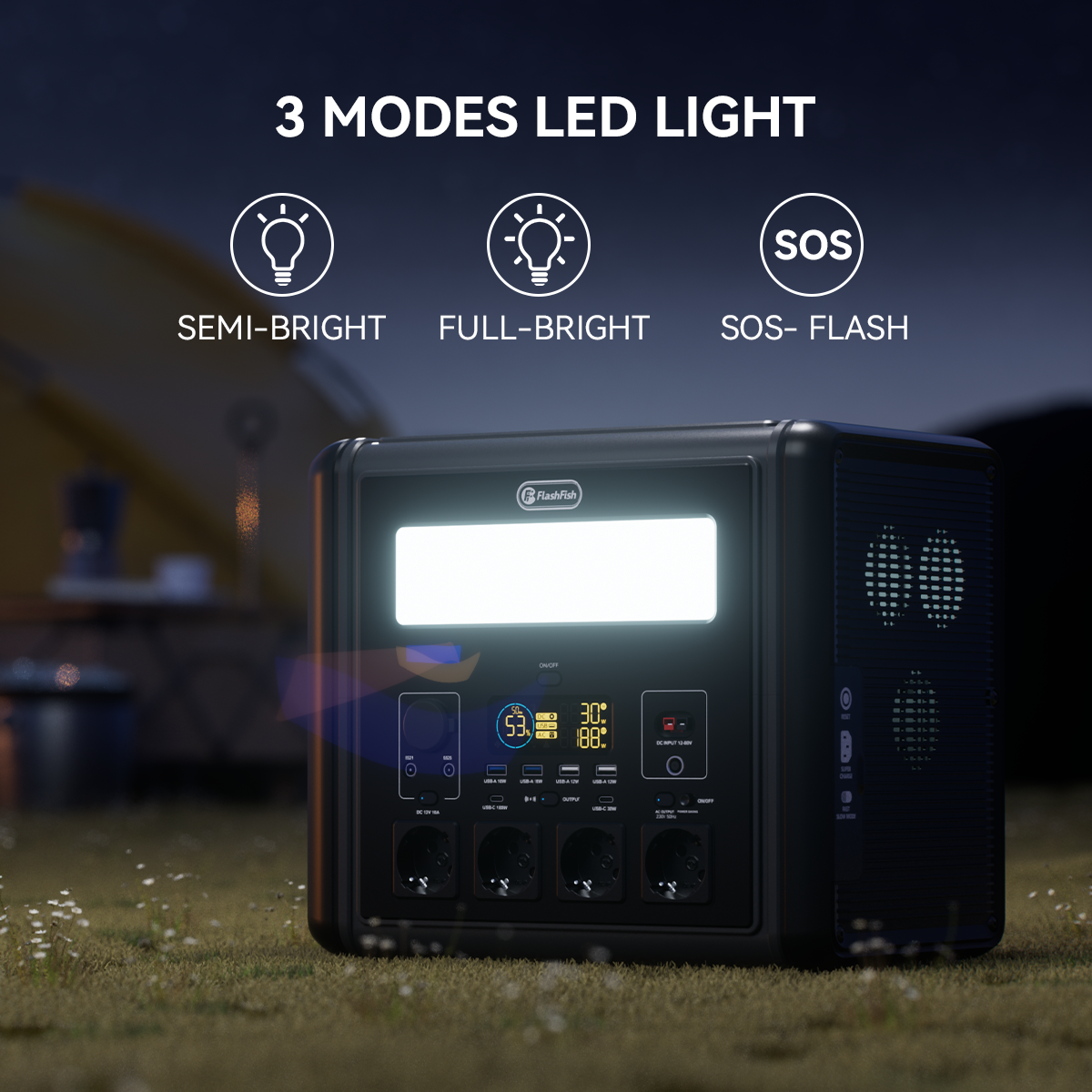
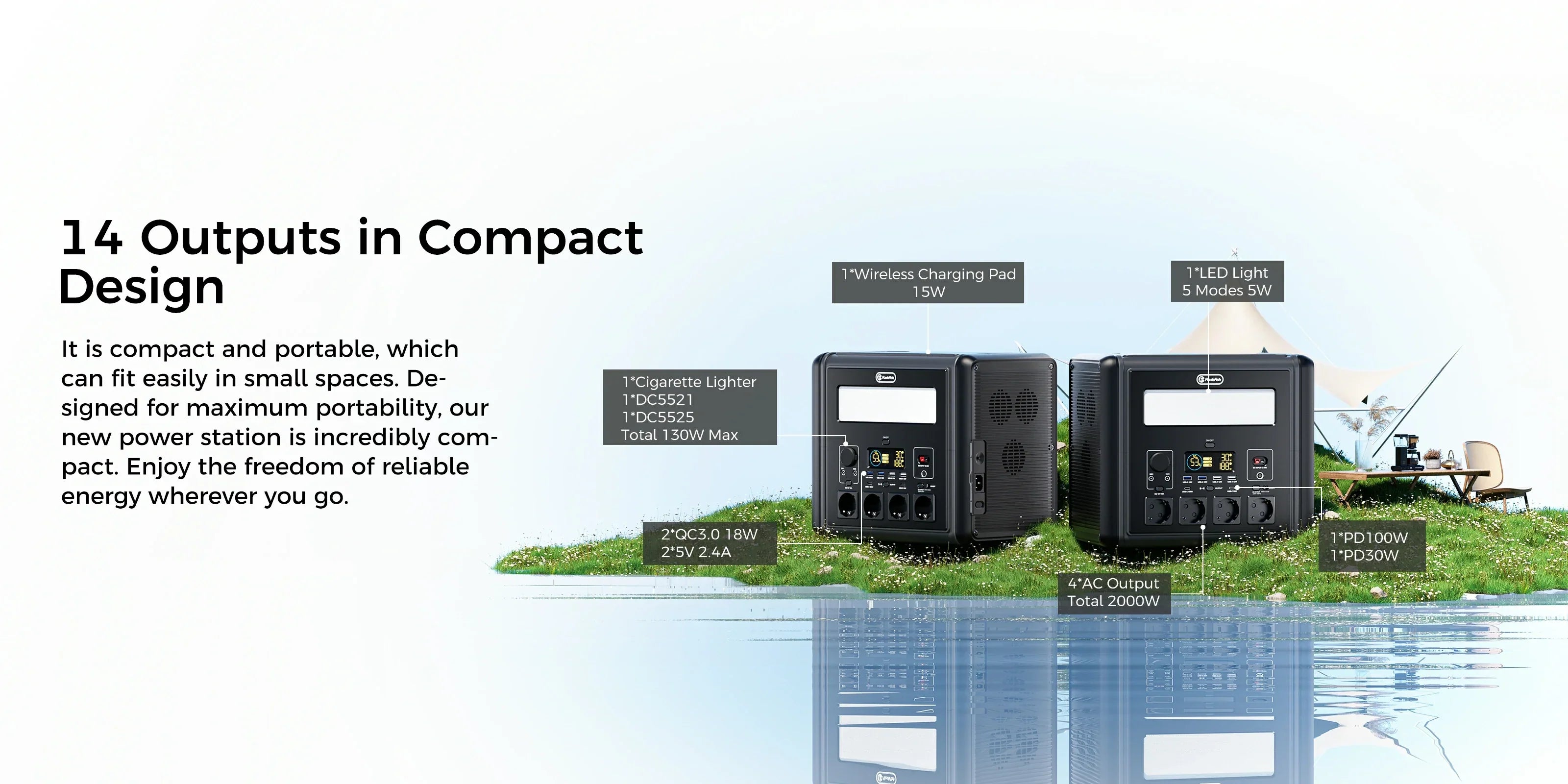
The product-source bundle records 768Wh capacity, 1200W continuous pure-sine AC, USB-C up to 100W and 30W, and a shared 13V/10A DC group up to 130W. Those facts create options; they do not prove that an astronomy device accepts a specific port or that 768Wh reaches every load.
Build a complete rig inventory
| Equipment | Record | Common mistake |
|---|---|---|
| Go-To or tracking mount | Voltage, polarity, connector, tracking and slewing draw | Planning from tracking current but ignoring slewing or startup |
| Main and guide cameras | Cooling setting, adapter watts and USB/control path | Ignoring cooler demand or powering through an unapproved port |
| Dew heater and controller | Maximum watts and likely controller duty | Treating a variable heater as a negligible accessory |
| Laptop, mini PC or controller | Charger input and supported USB-C profile | Assuming any USB-C cable supplies the requested voltage and power |
| Focuser, filter wheel and hub | Each adapter/output requirement | Counting only the largest devices |
| Red light, phone and communications | Energy reserve and independent backup | Spending the final reserve on imaging |
The NIGHT method
N — Name every load
BBC Sky at Night identifies mounts, dew heaters, cameras and focusers as typical field-power loads. Add the control computer, hub, cooling fan, phone and lights too. A rig is a system: forgetting a 25W accessory for six hours is 150Wh before losses.
I — Input and connector match
Check each label and manual for voltage, current, polarity and connector. T1200S lists a shared 13V/10A DC group with a 130W maximum, plus USB and AC options. That does not mean a nominal 12V astronomy device is automatically compatible. Use only approved cables/adapters; never alter polarity or improvise a connector from this article.
G — Group watts and watt-hours
Add loads that operate together to check watts. Then multiply each average watt figure by its planned hours to estimate watt-hours. Use the 768Wh battery rating as the starting store, not fully deliverable output. Inverter, adapter, standby, cable, temperature and battery-condition losses reduce delivery.
Example only: a 20W-average mount for six hours, 35W of cameras/controller for six hours, 40W of variable dew heating for four hours and a 55W-average laptop for four hours total 710Wh before conversion losses and reserve. That example would be too close for a responsible 768Wh plan. Reduce loads, use more efficient approved power paths, shorten the session or choose more energy—then test.
H — Humidity, handling and dark-site conduct
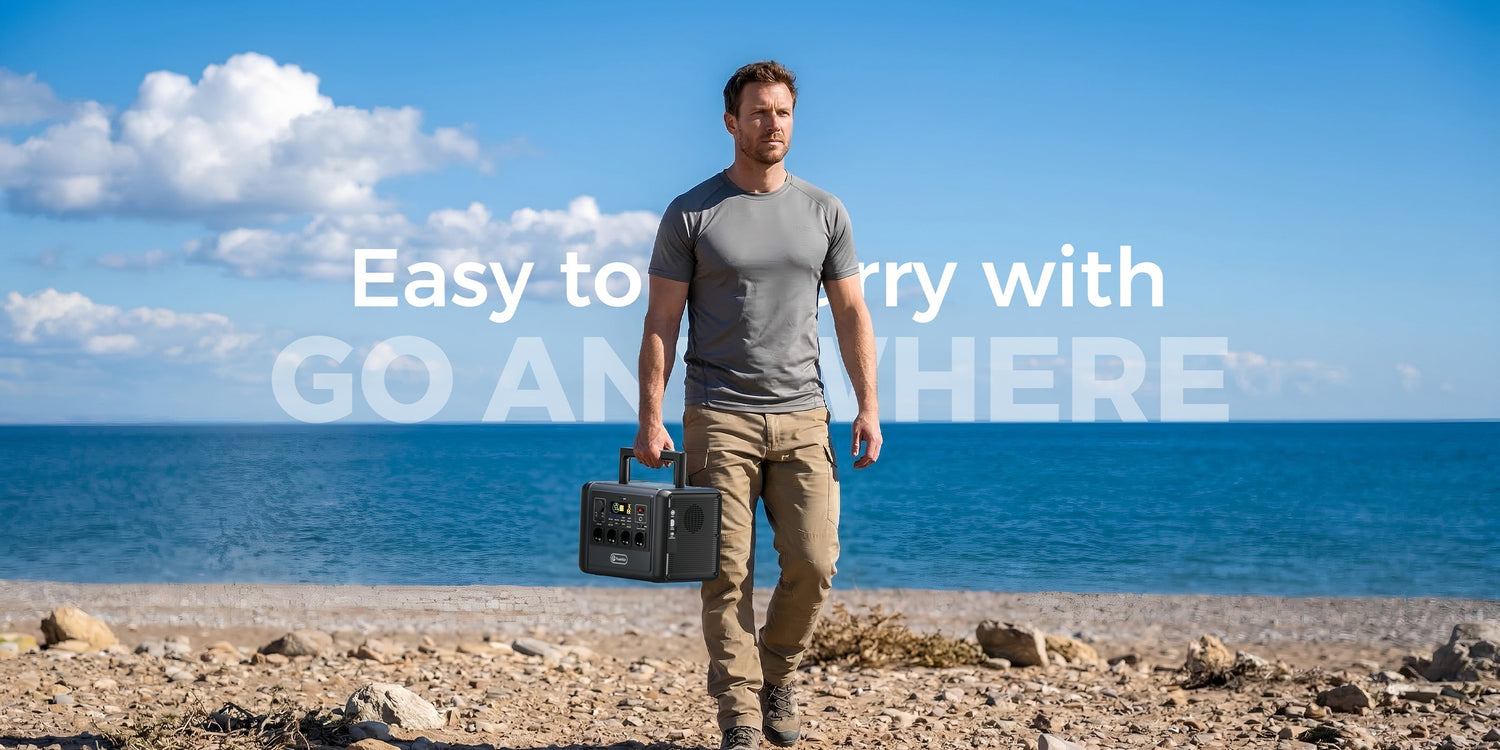
Dew is part of the astronomy problem and part of the electrical risk. Electrical Safety First advises keeping outdoor equipment, cables and connectors dry, suitable for the conditions, correctly rated, undamaged and fully uncoiled where relevant. Do not assume the T1200S has an ingress rating. Put the 12.45kg unit on a stable surface, protect cables from feet and tripod movement, and preserve dark adaptation with controlled lighting.
T — Test the complete night plan
- Inspect the station, approved cables and the complete rig.
- Run the exact equipment at home or another controlled location.
- Exercise mount slewing, camera cooling, focuser movement and the highest realistic dew-heater setting.
- Log starting/ending percentage, displayed watts, duration, conditions and any error.
- Set a reserve at which imaging stops while safe pack-down lighting and communication remain available.
- Repeat only after changing one variable, so the result is interpretable.
A field-power worksheet
| Load | Average W | Hours | Planned Wh | Port/adapter verified |
|---|---|---|---|---|
| Mount | ___ | ___ | ___ | ___ |
| Main/guide cameras | ___ | ___ | ___ | ___ |
| Dew control | ___ | ___ | ___ | ___ |
| Computer/controller | ___ | ___ | ___ | ___ |
| Accessories and lights | ___ | ___ | ___ | ___ |
| Loss and reserve decision | ________________________________ | |||
When T1200S fits
- The complete measured rig fits 768Wh after losses and a meaningful pack-down reserve.
- Every device has a verified voltage, polarity, connector, port and cable path.
- USB-C up to 100W or 30W can serve a compatible computer/device without relying on an unverified profile.
- The station can be carried, kept dry and placed safely outside tripod and foot routes.
- A full rehearsal covers mount movement, camera cooling, dew control and realistic duration.
When T1200S does not fit
- The planned example is already near 768Wh before losses and reserve.
- A device connector, polarity, voltage or shared-current requirement is uncertain.
- The site is wet or exposed and the station/connections cannot be protected.
- The 12.45kg carry conflicts with the route, terrain or safe handling plan.
- Communication, lighting or another safety need would have no independent backup.
Review the current FlashFish T1200S Europe product page and compare the FlashFish portable power station range only after the complete rig worksheet identifies the right energy class.
Frequently asked questions
Can T1200S power an astrophotography rig?
It may fit when every load and connection is verified and the complete setup passes a representative rehearsal with reserve.
Will T1200S last all night?
No fixed answer is responsible without measured watts, duty cycles, conditions, losses and reserve.
Should I use AC or DC?
Use only the route approved by each device and station manual. Direct DC may avoid conversions, but voltage, polarity, connector and current must match exactly.
Do dew heaters matter?
Yes. Their draw varies with controller setting and conditions. Measure them as part of the full rig.
Can T1200S sit outside in dew?
Do not assume weather resistance. Keep the unit and connections dry, protected and ventilated.
Does 2400W peak matter for astronomy?
Usually the sustained energy budget and connector compatibility matter more. Peak is brief headroom, not an all-night rating.
Sources and evidence boundaries
- FlashFish Europe: T1200S and local product-source bundle — model limits and port records.
- BBC Sky at Night: field astronomy power — typical rig components and portable-power need.
- Electrical Safety First: outdoor electrical safety — dew, cable, connector and dryness boundaries.
Human review note: this is a specification-led planning framework, not an astrophotography field test, connector approval or all-night runtime result.



Dejar un comentario
Este sitio está protegido por hCaptcha y se aplican la Política de privacidad de hCaptcha y los Términos del servicio.