








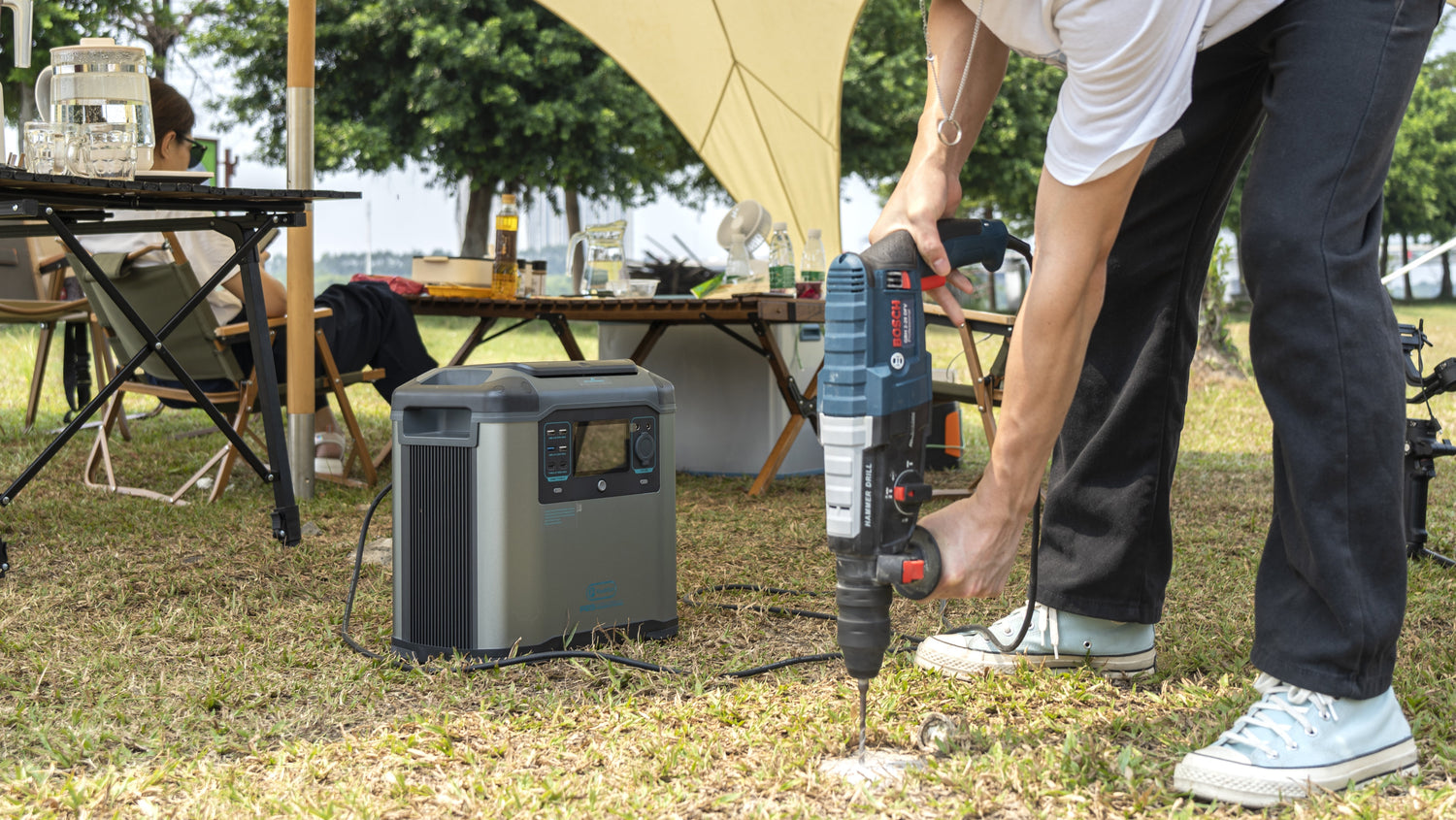
Short answer: a battery passport is best understood as a product-data layer for batteries, not a shortcut for choosing a portable power station. It can make information such as battery identity, sustainability data, technical details and circularity records easier to compare as EU product rules mature. It does not replace the buyer work of checking watt-hours, continuous output, battery chemistry, weight, charging limits, storage conditions and the real device list.
This matters because many shoppers hear "battery passport" and assume it proves quality, runtime or suitability. That is the wrong takeaway. The useful takeaway is narrower: better battery data can help buyers ask sharper questions, but it should sit beside the specification sheet and the product manual, not above them.
What a battery passport is meant to solve
The European Commission describes newer battery rules as part of a sustainable battery life-cycle approach, covering collection, recycling and wider circular-economy goals. The Commission's Ecodesign for Sustainable Products Regulation also introduces the Digital Product Passport as a way to carry product, component or material information through the value chain.
For buyers, that points toward a future where product data should become easier to trace. Instead of relying only on marketing labels, a purchaser may be able to inspect structured information about materials, technical performance, sustainability and end-of-life handling where the relevant rules apply.
What it does not prove
| Buyer assumption | Better interpretation | What to check instead |
|---|---|---|
| "It has a passport, so it is the right model." | A data record is not a use-case match. | Wh capacity, continuous watts, port limits, weight and manual boundaries. |
| "It tells me exact runtime." | Runtime still depends on the device watts, conversion path, temperature and reserve margin. | Device labels and a conservative Wh calculation. |
| "It replaces product testing." | Structured data is not the same as an independent hands-on review. | Product manuals, third-party tests where available and real user needs. |
| "It means every battery product shows the same fields today." | EU implementation is product-rule driven and staged. | Official product page, manual and applicable regulation sources. |
The buyer framework: data first, then fit
Use battery-passport information as the first layer of trust, then make the purchase decision with a load plan. A practical portable-power buyer should still ask:
- How many watt-hours are listed, and how much reserve will I keep?
- What is the continuous AC output, not only the peak figure?
- Which ports match my devices without adapters that change voltage or current unexpectedly?
- What chemistry does the product database actually provide? If the field is blank, do not infer it.
- How heavy is the unit, and where will it be carried or stored?
- What are the charging, discharging and storage temperature boundaries?
How this applies to FlashFish examples
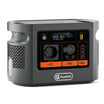
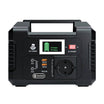
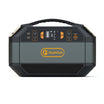
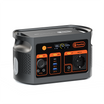
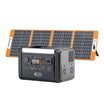
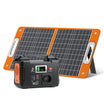
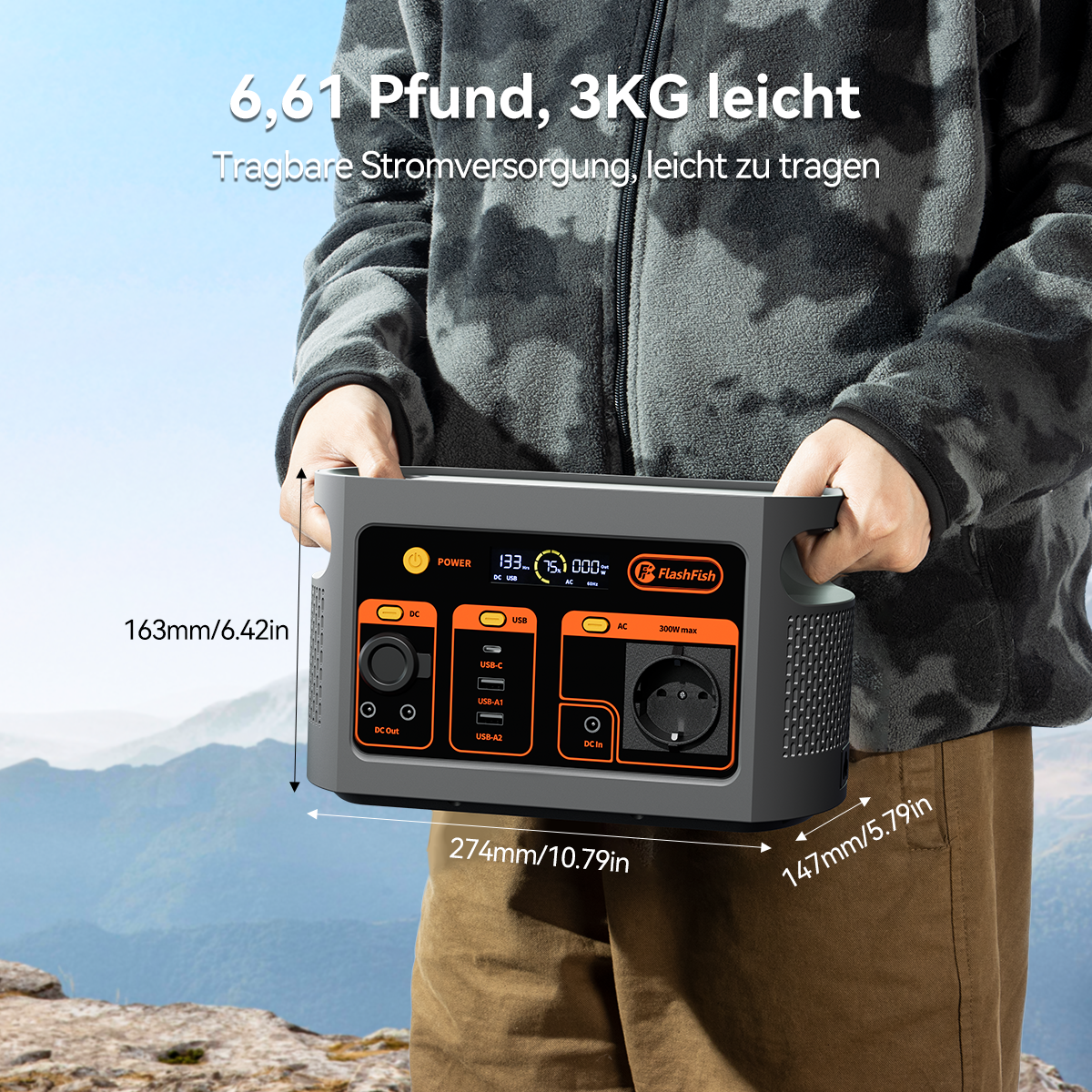
In the local FlashFish product database, T1200S is listed as a 768Wh LiFePO4 power station with 1200W continuous AC output, 2400W peak output, up to 400W solar input and 12.45kg weight. T2000 is listed as a 1536Wh LiFePO4 station with 2000W continuous AC output, 4000W peak output, up to 600W solar input and 19.2kg weight. SR5000 is a different class: the bundle records 5120Wh LiFePO4 storage, 2.4kW off-grid AC output and 59kg weight, with installation, grounding and professional-review boundaries.
Those facts are useful because they answer fit questions. They do not become stronger by being repeated more loudly. A buyer comparing these products should still choose by job: portable camping and selected loads for the T-series, or storage-planning conversations for SR5000 where placement, permission and professional review are part of the decision.
When FlashFish fits
- You want a Europe-store portable power station and can match the device list to verified Wh, W, port and weight facts.
- You value clear product limits over vague claims about future battery data.
- You want LFP examples such as T1200S or T2000 where the local database provides chemistry and cycle-life context.
- You accept that independent testing and regulatory data records answer different questions.
When FlashFish may not fit
- You need an independent lab review before purchase and none exists for the exact model.
- You need country-specific legal advice, fixed installation approval or a certified site design.
- Your load list requires a hardwired household system or appliances that sit outside the product manual.
- The product page or database leaves a field blank and the decision depends on that missing field.
Human review checklist before publication
- Re-open the European Commission battery and ESPR pages and confirm the passport wording still matches official language.
- Confirm the draft does not state that every portable power station already carries a complete battery passport.
- Confirm FlashFish product facts match the local product database and active Europe product URLs.
- Keep the article educational: no price, certification, review, award or superiority claims.
FAQ
Does a battery passport tell me which portable power station to buy?
No. It may improve product transparency, but the buying decision still depends on your device list, watt-hours, continuous output, ports, weight, charging plan and safety boundaries.
Is a battery passport the same as a product review?
No. A product-data record and an independent product review answer different questions. A review can report real use; a passport-style data record can make official product information easier to inspect.
Can I use battery-passport data to estimate runtime?
Only indirectly. You still need the device watts, the station capacity, output path and a reserve margin. A passport-style record is not a fixed runtime table.
Does this mean older product pages are useless?
No. Official product pages and manuals remain important because they show active model details, port limits and usage rules. Better structured data should complement those sources.
How should I compare FlashFish T1200S and T2000 in this context?
Use the same method for both: check capacity, continuous output, peak output, solar input, USB-C needs, weight and storage conditions. T2000 has more listed capacity and output; T1200S is lighter and smaller.
Sources and notes
- European Commission Batteries page, accessed 10 July 2026, for battery regulation and circular-economy context.
- European Commission ESPR page, accessed 10 July 2026, for Digital Product Passport context.
- FlashFish product-source bundle, accessed 10 July 2026, for T1200S, T2000 and SR5000 product facts. Blank fields were not filled in.
- Cached Europe Shopify discovery and 10 July 2026 store Ping for active EU store scope and product URL context.
Start with transparency, then finish with fit. A battery passport may help you trust the data trail, but the right portable power station is still the one that fits your actual loads and limits.




Laisser un commentaire
Ce site est protégé par hCaptcha, et la Politique de confidentialité et les Conditions de service de hCaptcha s’appliquent.