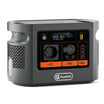
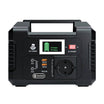

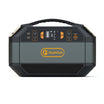
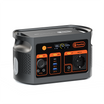








Why Large LiFePO4 Power Stations Are Heavier Than They Look
An educational explainer on why large LFP portable power stations weigh more: battery capacity, inverter size, cooling, ports, structure, and home-backup expectations.
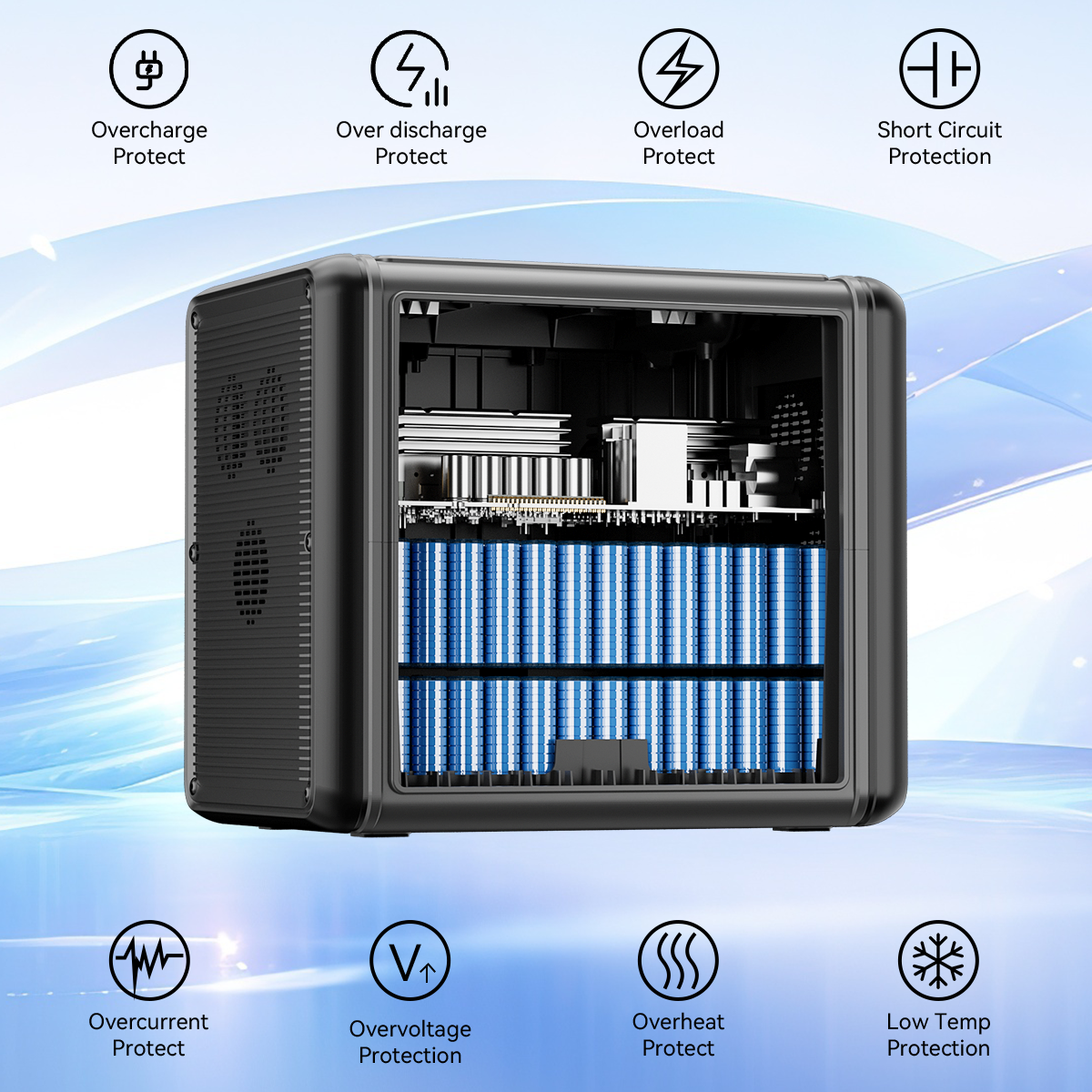
How Portable Power Station Batteries Moved Toward LiFePO4
A concise history of why LiFePO4 chemistry has become common in portable power stations, and what that shift means for today's FlashFish buyers.
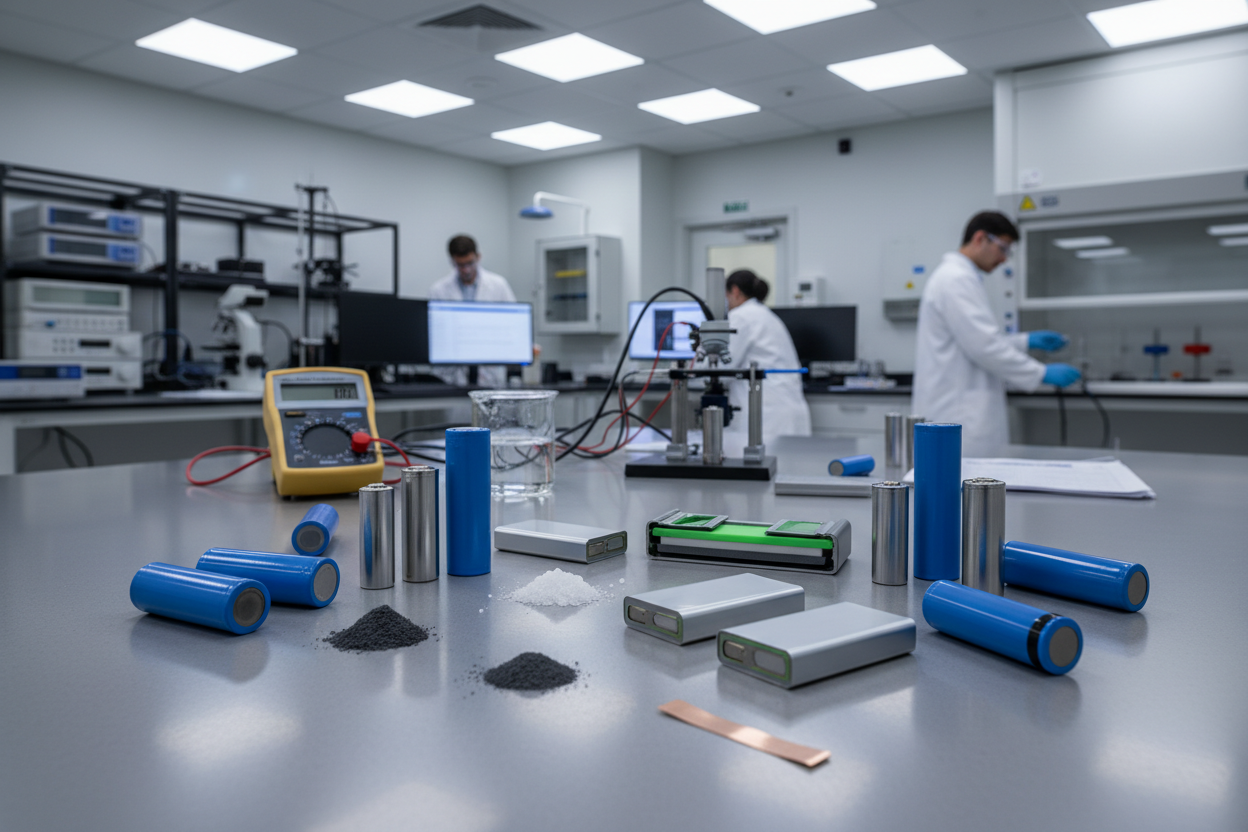
Energy Density Revolution: Why Lithium Rules Modern Electronics
Lithium-ion batteries achieve 150–260 Wh/kg — up to 8× the energy density of lead-acid. This article traces the Nobel Prize-winning science behind that leap, explains why FlashFish chooses LiFePO4 ...
Rechargeable Battery History: From Lead-Acid to the Birth of Circular Energy
From Gaston Planté's 1859 lead-acid cell to the NiMH batteries that powered the first hybrid cars, the history of rechargeable batteries is the history of humanity's relationship with reusable ener...

Portable Energy Revolution: How Dry Cells Changed Our Lives Forever
Portable energy became a household reality not through massive power lines, but through a small, dry, and sealed container that could be carried in a...

Industrial Revolution Battery: The Silent Engine of the Telegraph Age
Imagine the year 1840. The world is accelerating at a dizzying pace, with steam engines and factories reshaping the landscape.