






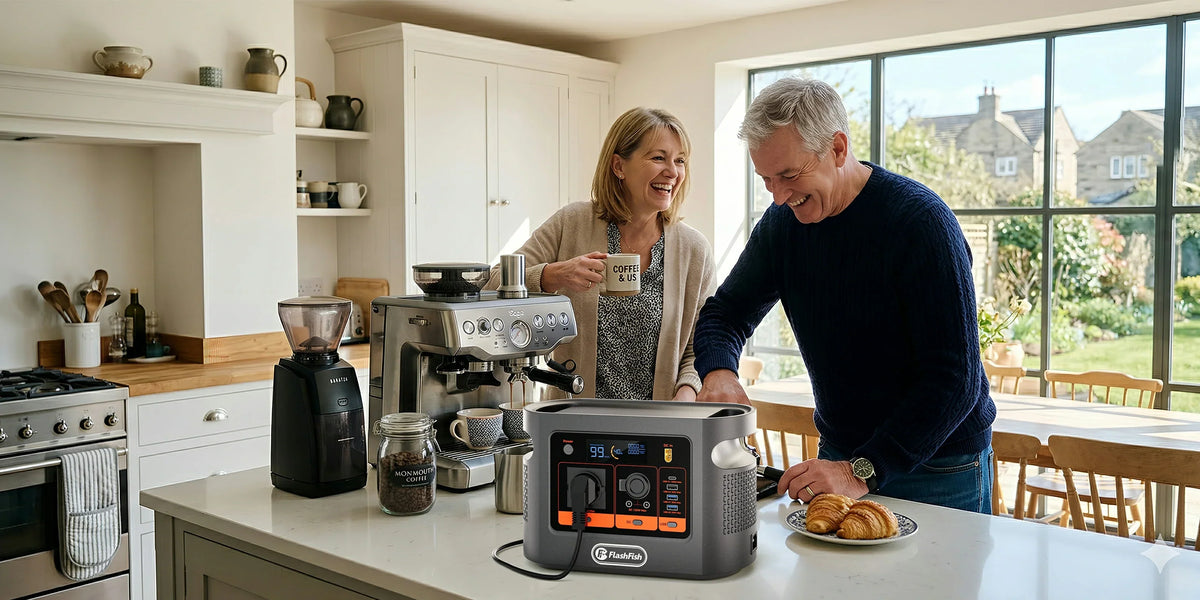
Battery Internal Resistance: What Power Station Buyers Need to Know
The DROP framework explains that voltage sag depends on demand, impedance, operating conditions and protection boundaries, so buyers should not treat nominal Wh or one loaded-voltage observation as...
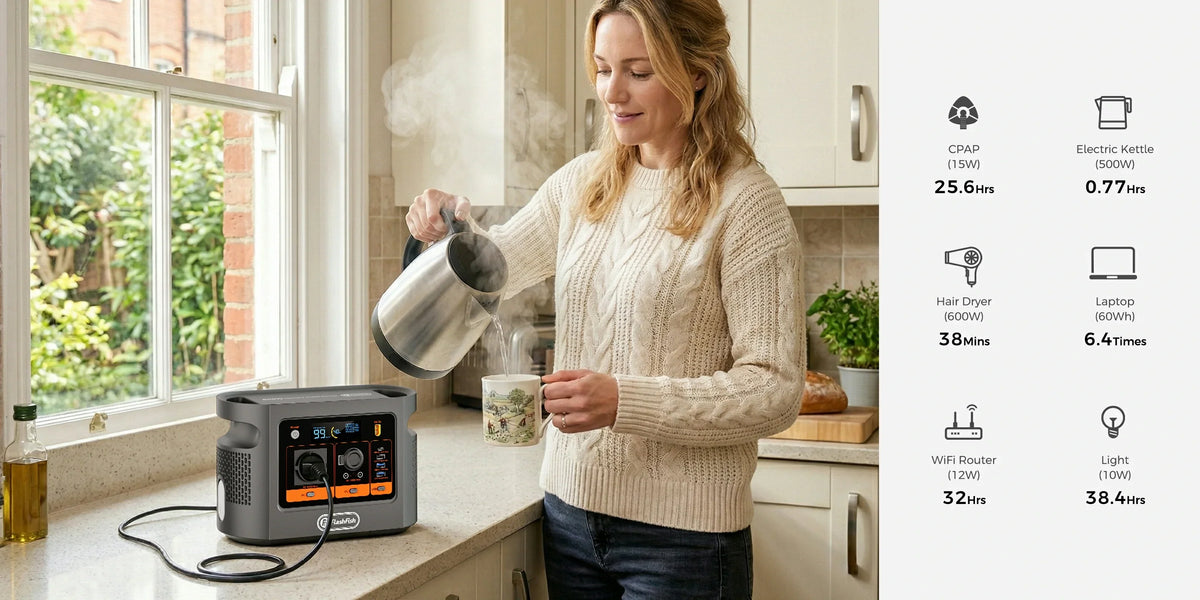
Battery Cell Balancing in Portable Power Stations Explained
BALANCE distinguishes state-of-charge mismatch, passive dissipation, active redistribution, weakest-cell pack limits, evidence gaps and no-DIY boundaries without assigning an undocumented balancing...
Depth of Discharge vs State of Charge in Power Stations
The DEPTH framework separates a displayed charge estimate from model-defined discharge depth, delivered energy, protection controls and the manufacturer evidence needed to interpret each number.
USB-C, 12V or AC: Which Power Station Output Should You Use?
The PATH method chooses an output from the device's complete electrical contract, not connector shape or a blanket claim that direct DC is always best.
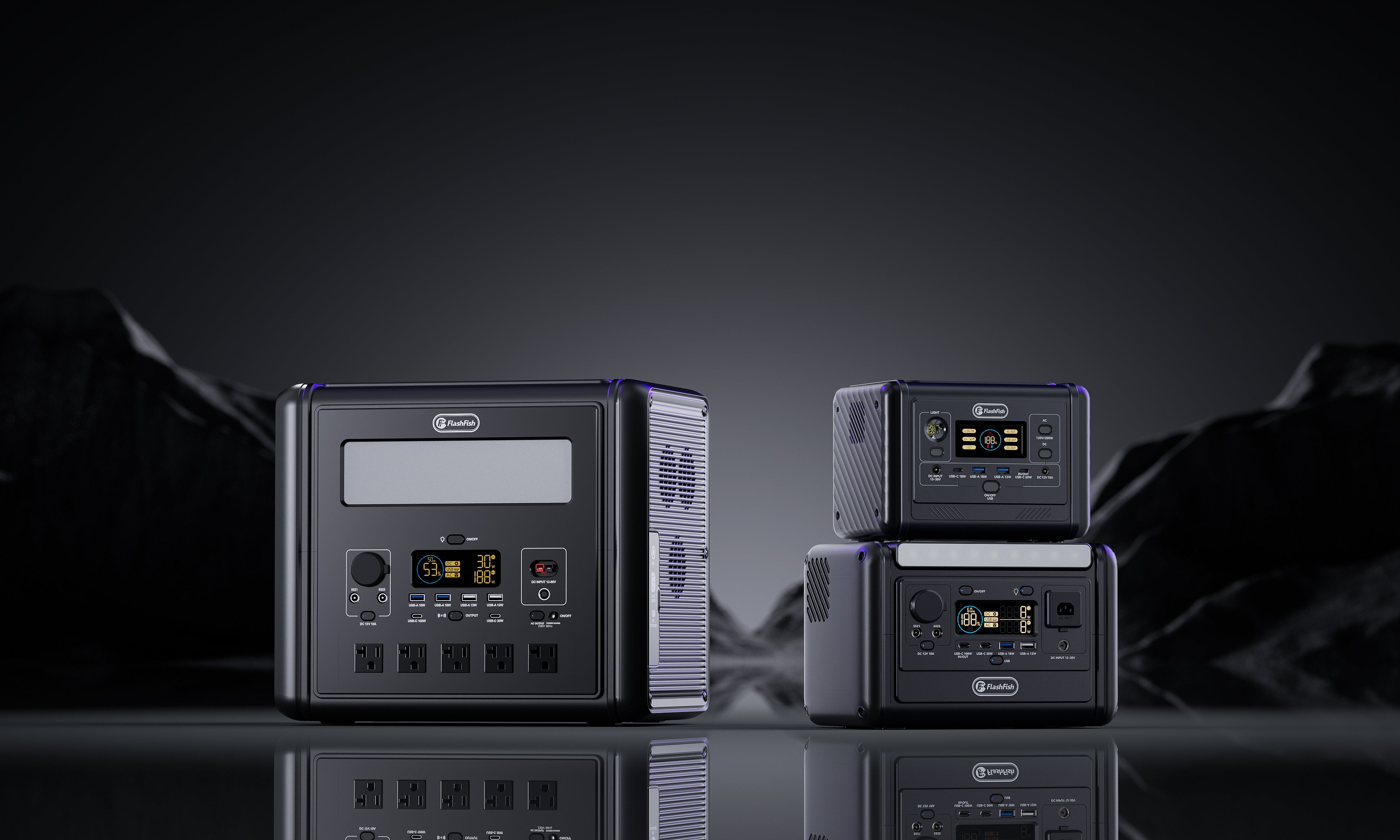
Portable Power Station C-Rate Explained for Buyers
The RATE method separates battery current from AC watts and explains why capacity, voltage, BMS, inverter and manufacturer limits must not be collapsed into one C-rate shortcut.
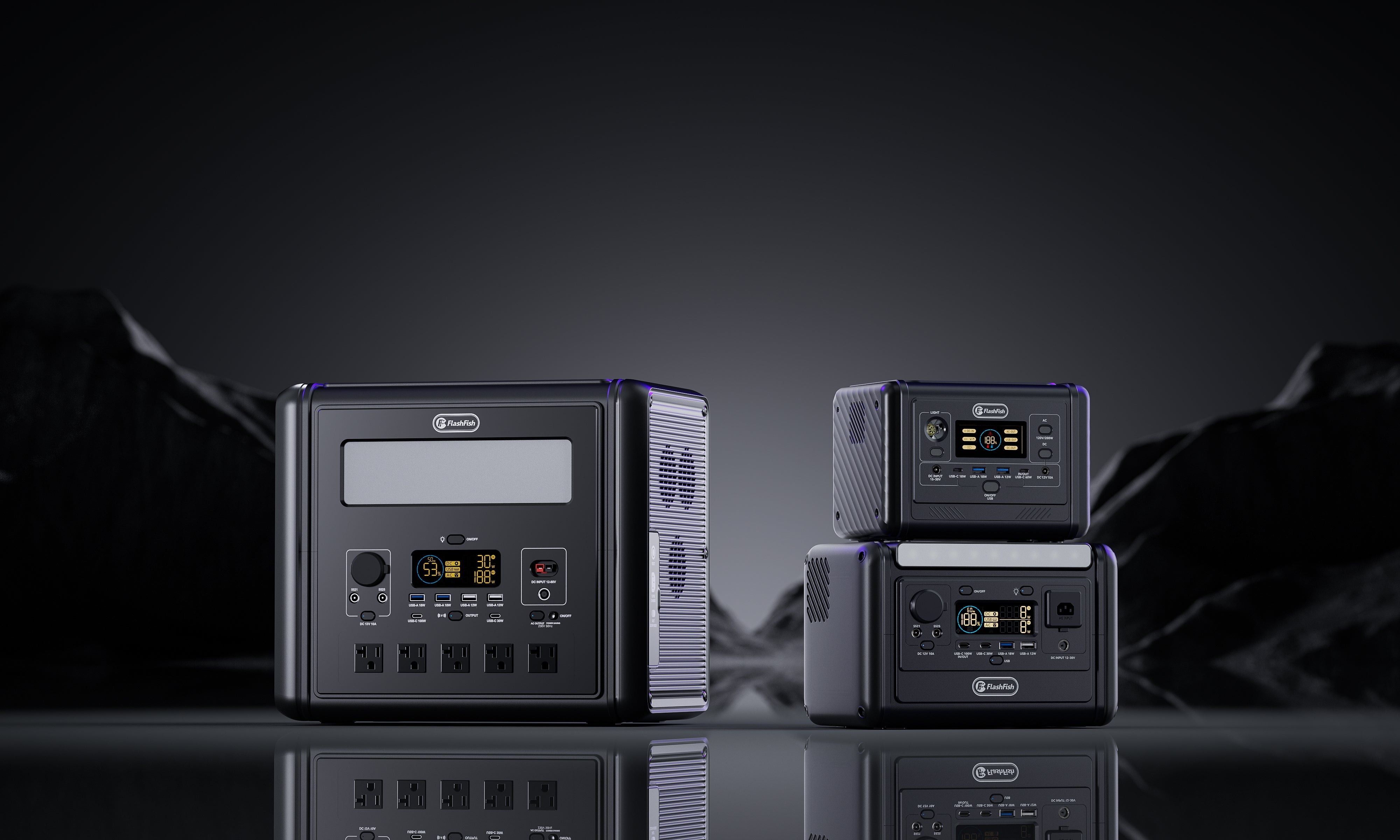
How to Measure Appliance Energy Before Buying a Power Station
The METER method turns a suitable plug-in energy meter into a repeatable buyer record: operating mode, equipment chain, timed Wh, event peaks, repeat runs and reserve—without claiming that one read...
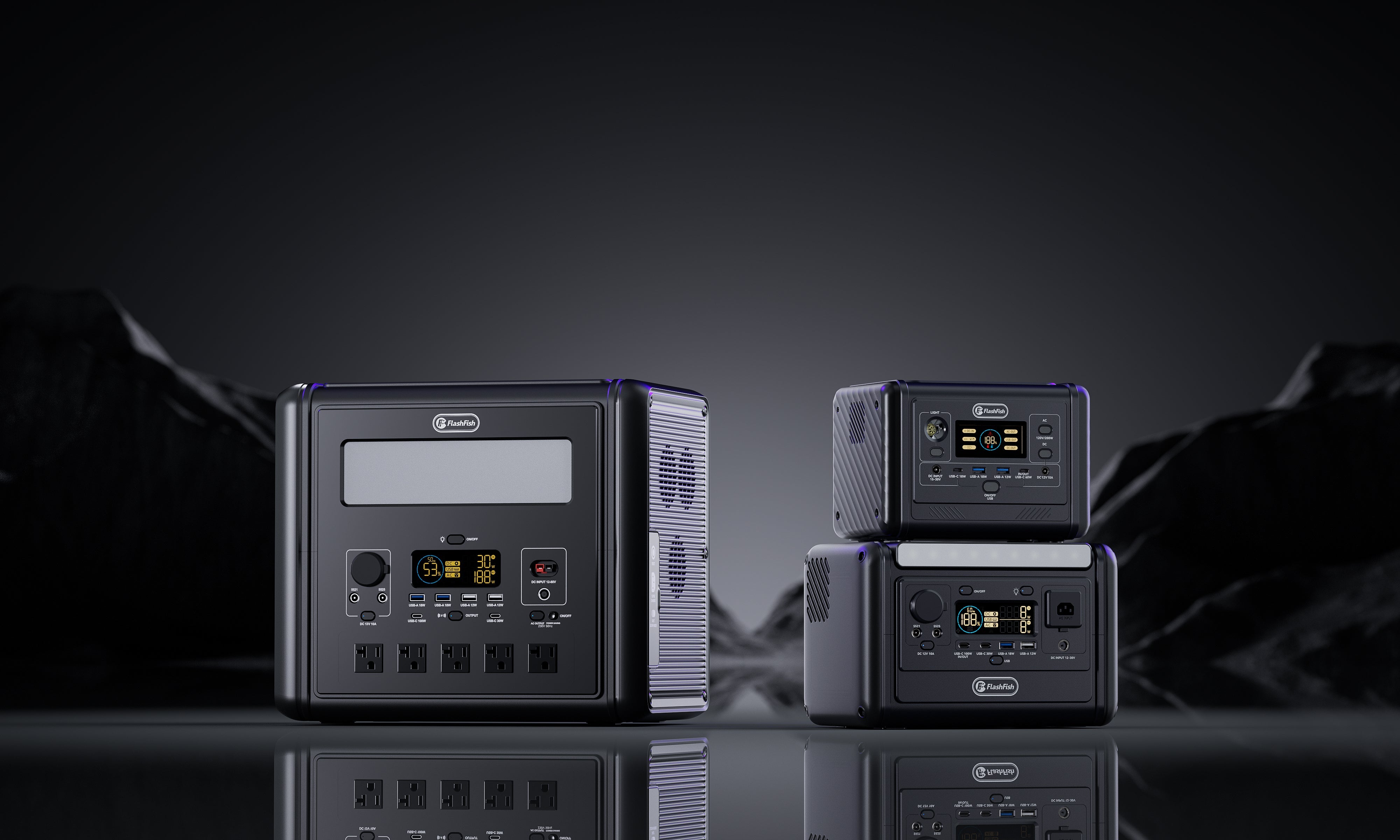
Portable Power Station Protection Shutdown: What to Record
The RESET record separates the exact response, equipment, sequence, environment and trigger from any diagnosis, then routes the next step through stop conditions, a single manual-approved check or ...
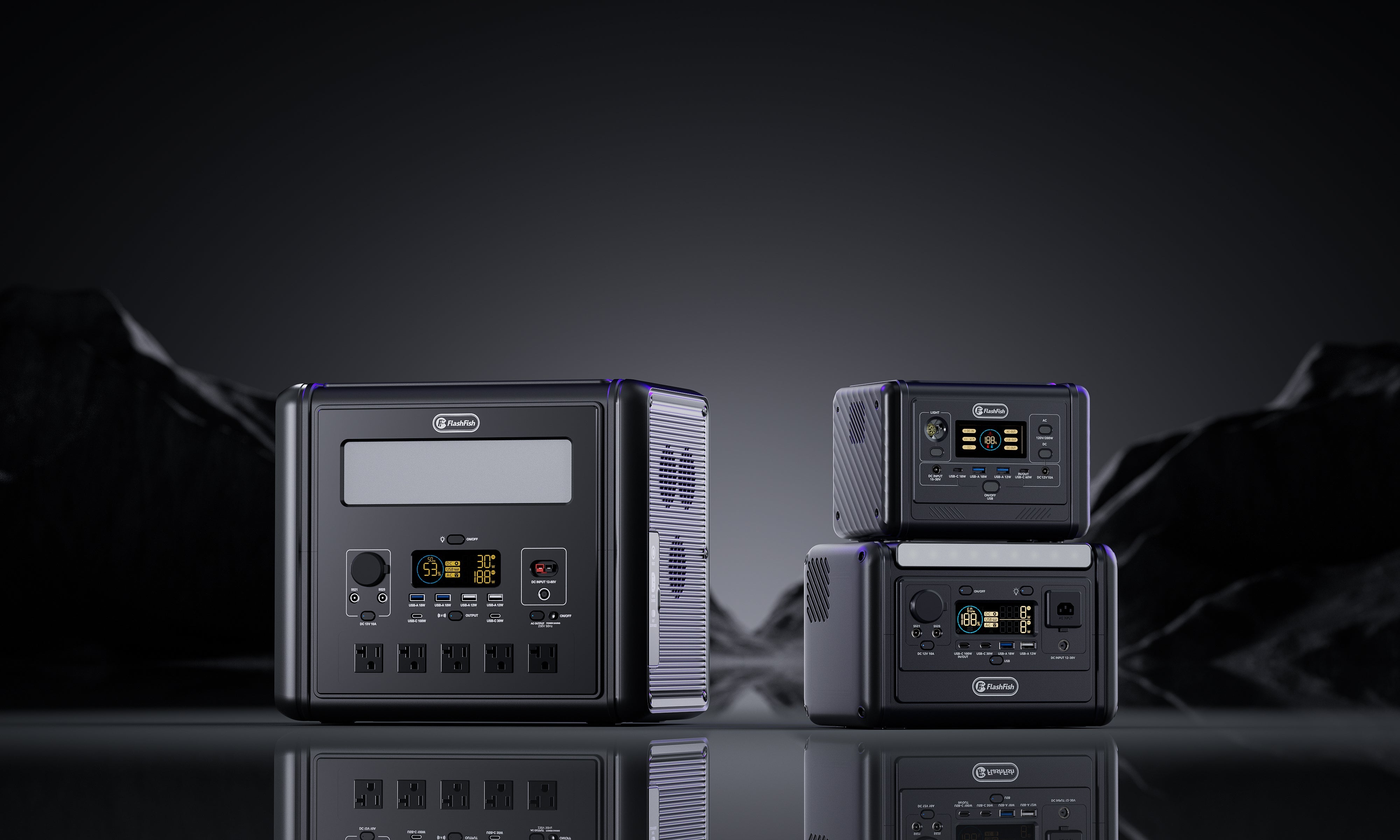
Product Page vs Manual: Which Power Station Spec Should You Trust?
TRACE resolves specification conflicts by checking exact type and region, the delivered rating label, aligned current evidence, a constrained claim boundary and an explicit support escalation.
RCD and Earthing Checks for Portable Power Stations
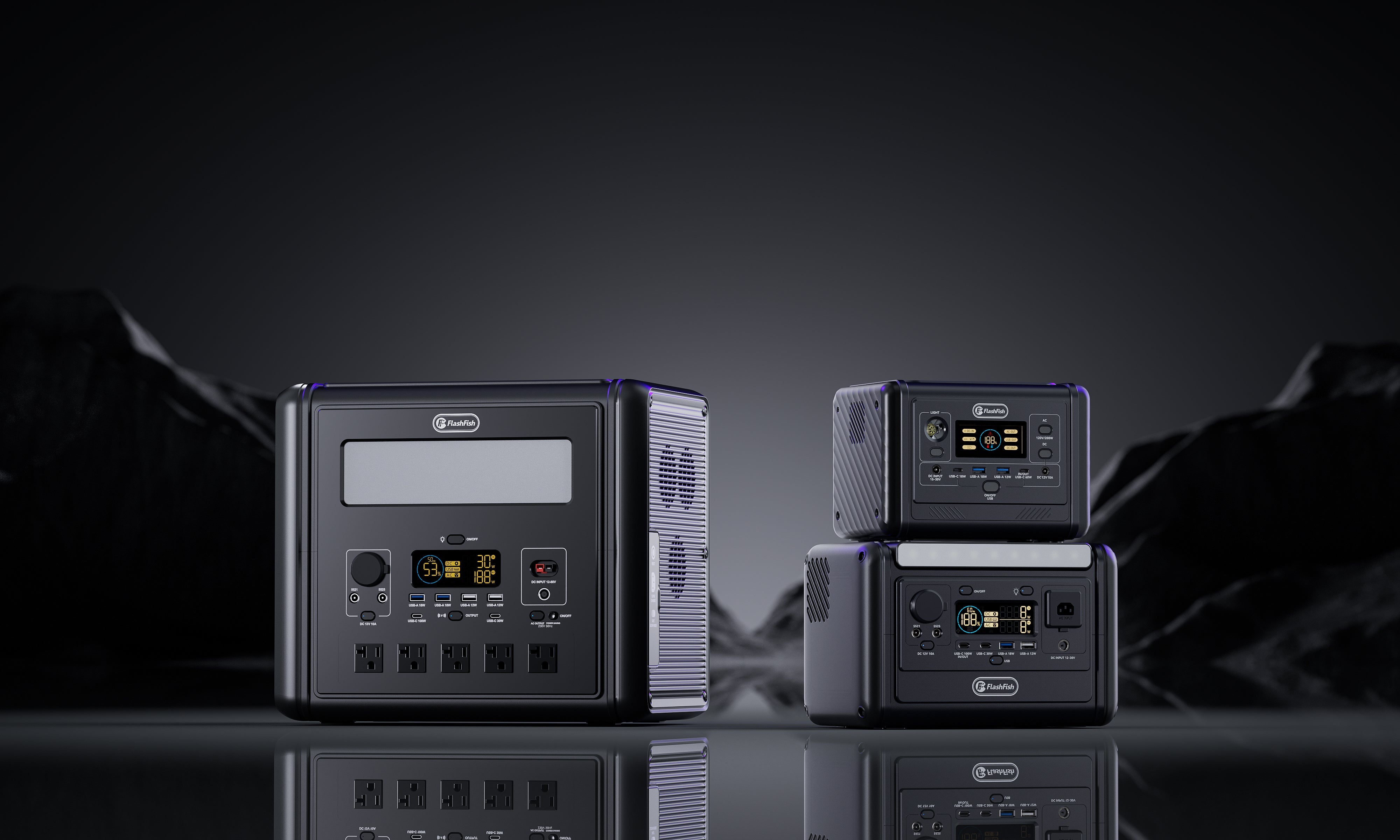
The EARTH method separates appliance class, source topology, RCD behaviour, environment and qualified review so a familiar socket is never mistaken for complete fault protection.
Portable Power Station Storage Drain Explained
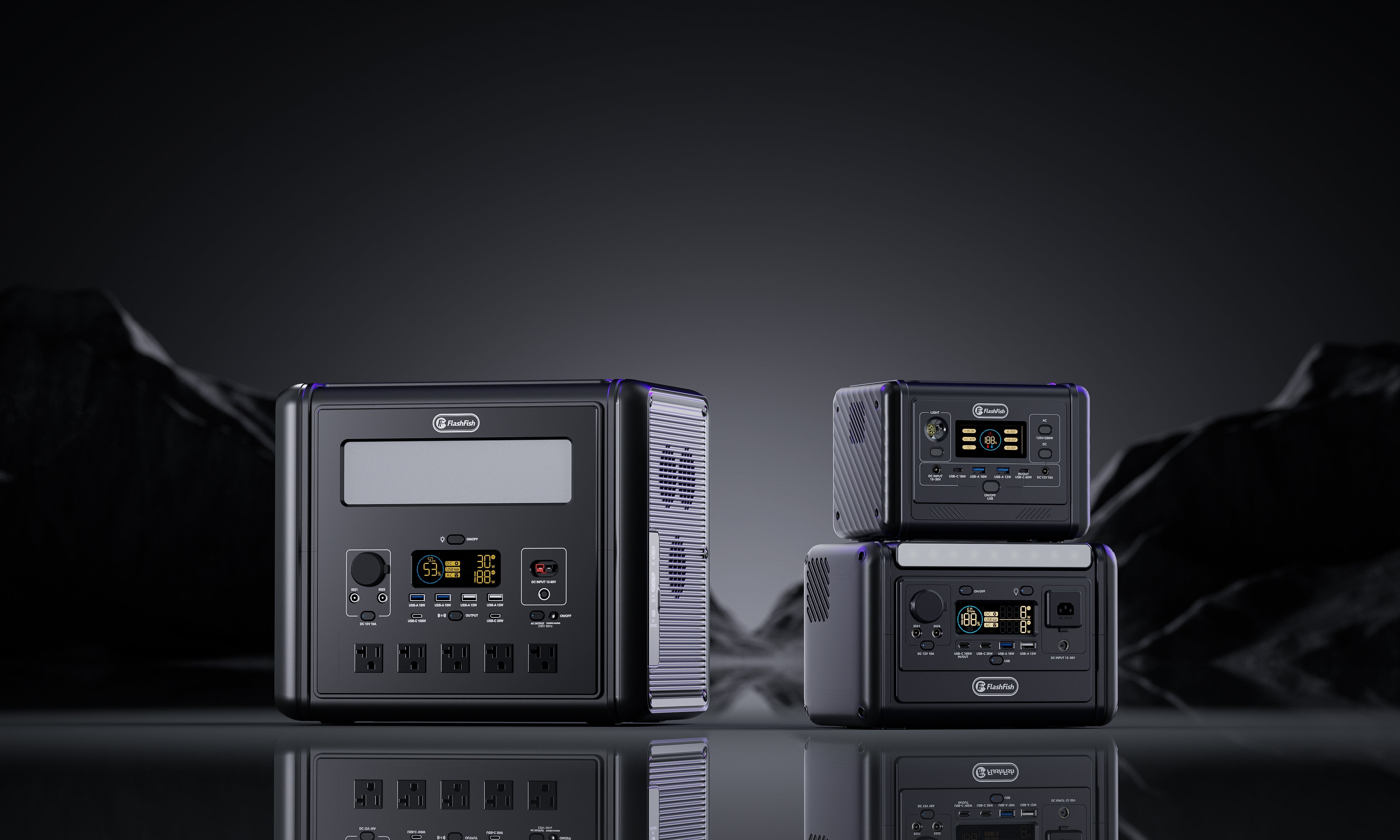
Use the DRAIN check—device state, recorded baseline, ambient conditions, inspection interval and next action—to separate cell self-discharge from standby loads, enabled outputs and an ageing or fau...
Round-Trip Efficiency in Portable Power Stations Explained
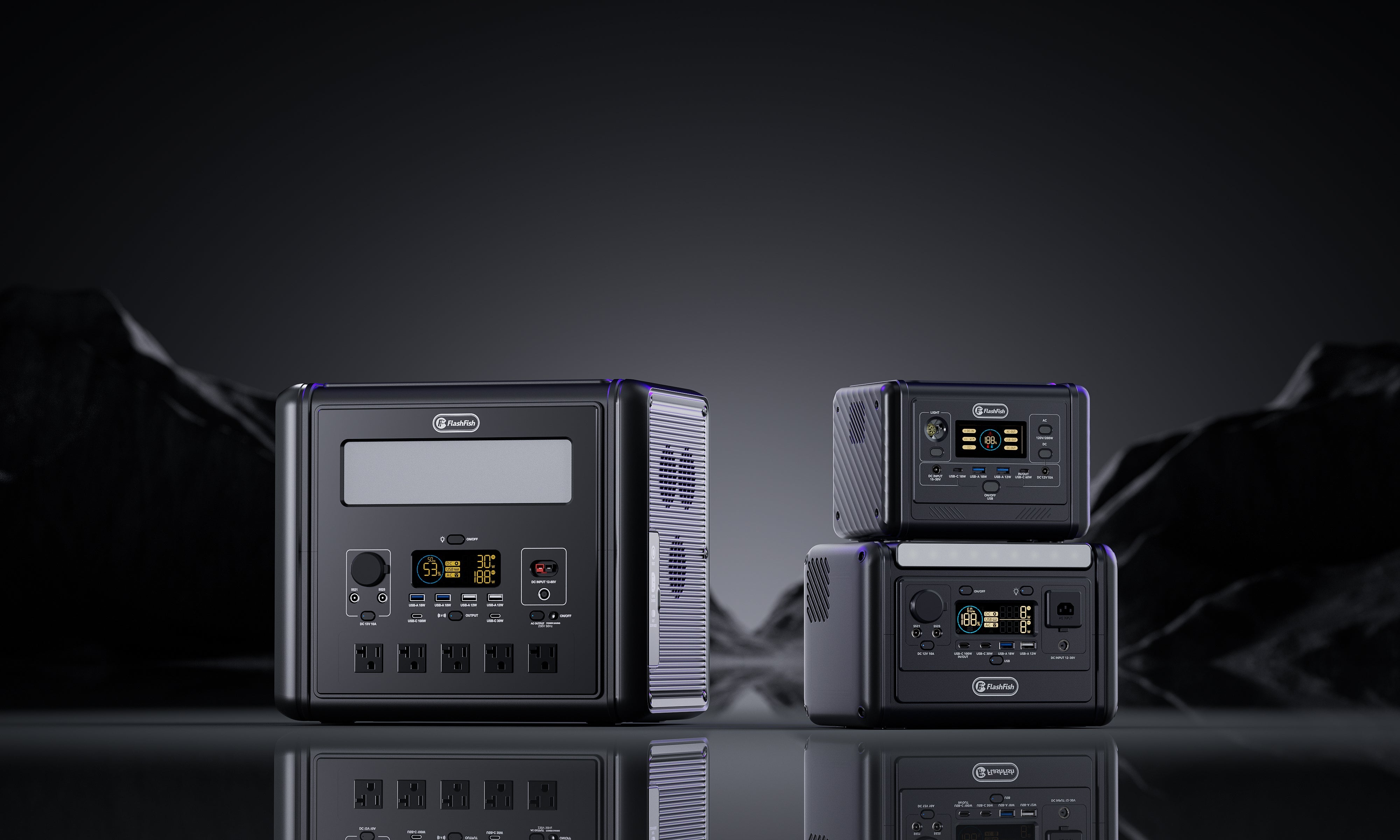
Use the LEDGER check—line input, electronics, delivered battery energy, gateway conversion, end-use load and repeatable conditions—to separate rated watt-hours from measured round-trip performance.
50 Hz vs 60 Hz: Power Station Compatibility in Europe
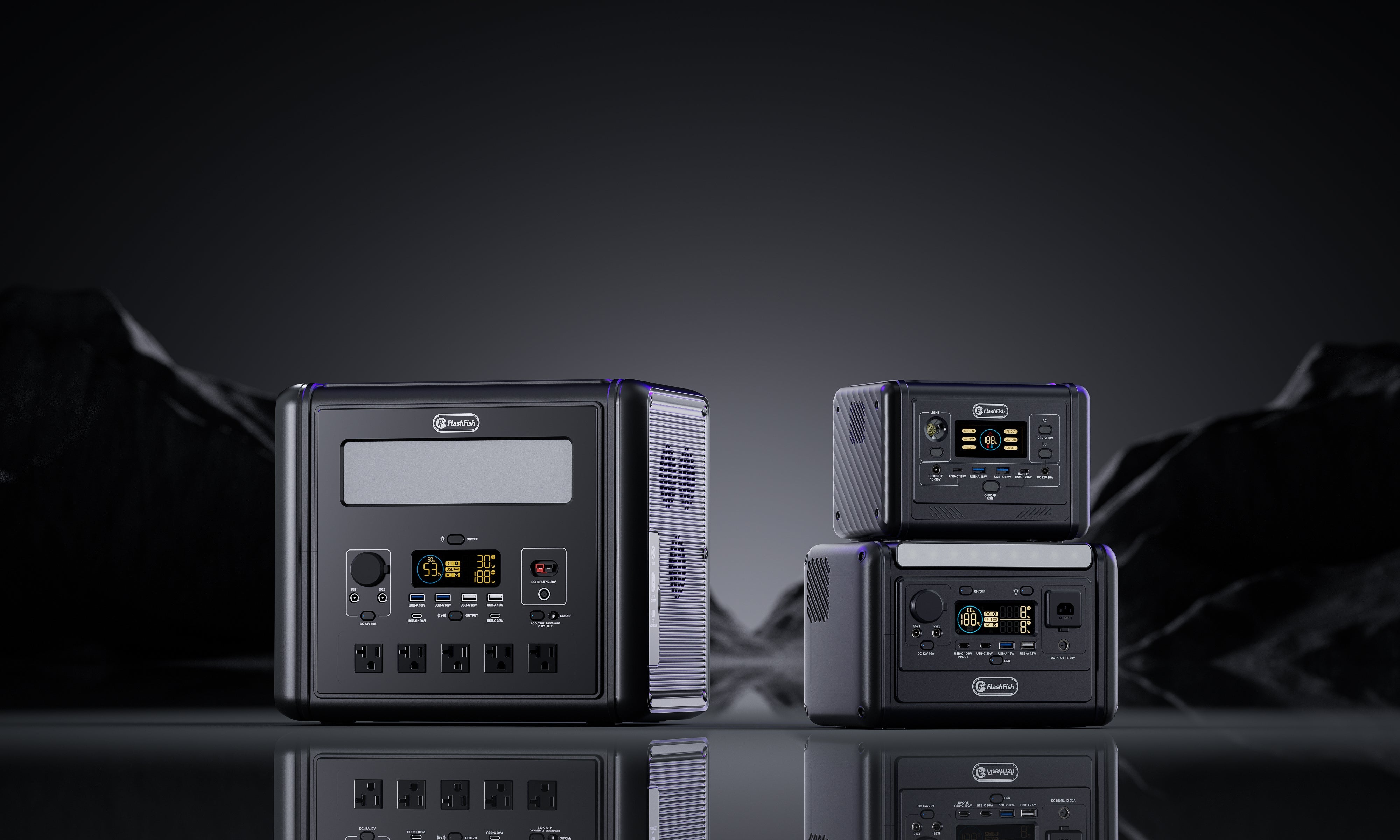
Use the FOUR check—frequency, output voltage, usable plug path and rated watts—because a plug that fits is not proof that an appliance is electrically compatible.
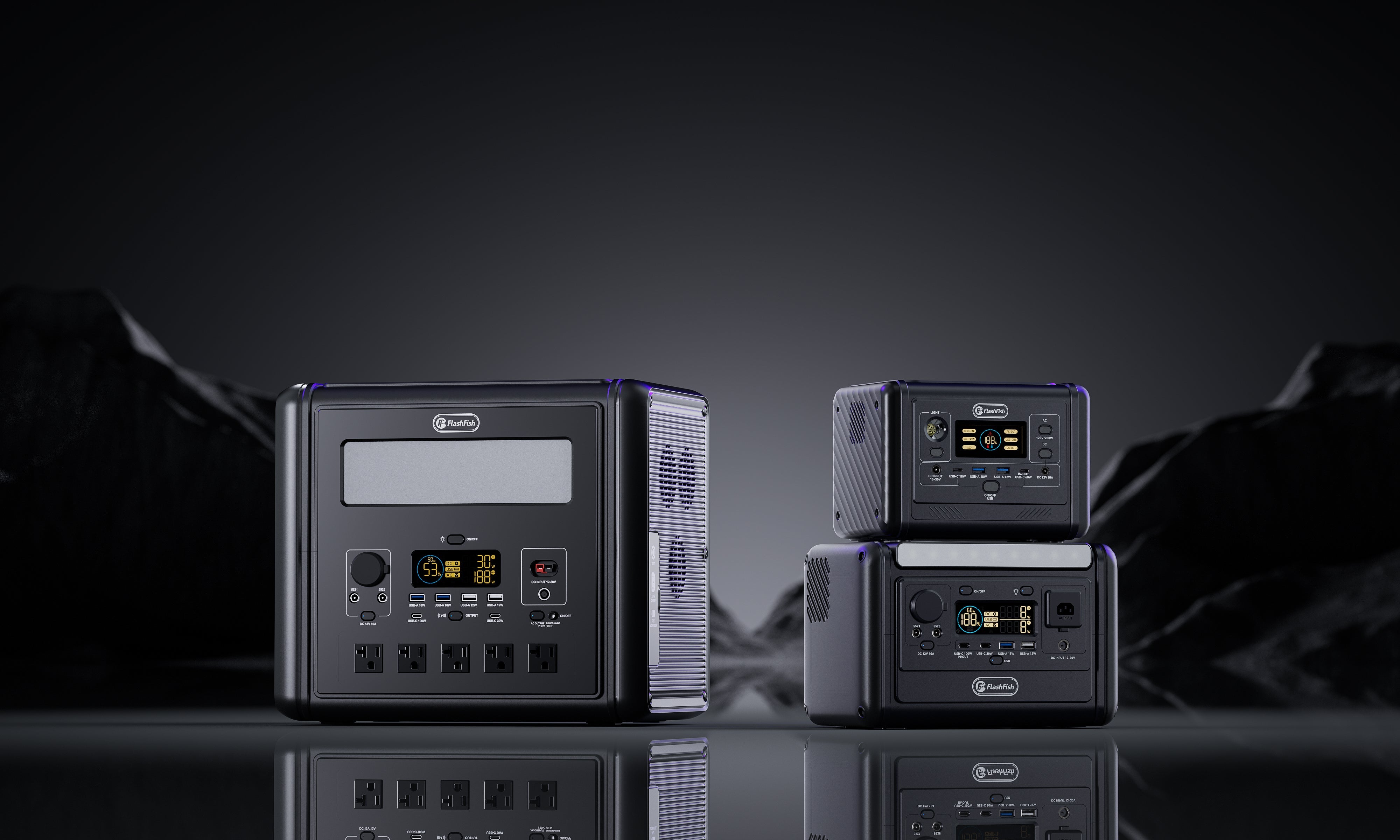
Overload vs Overtemperature Shutdown in Power Stations
Use the STOP framework to separate load-related shutdown clues from heat-related clues without treating a warning code as a diagnosis.
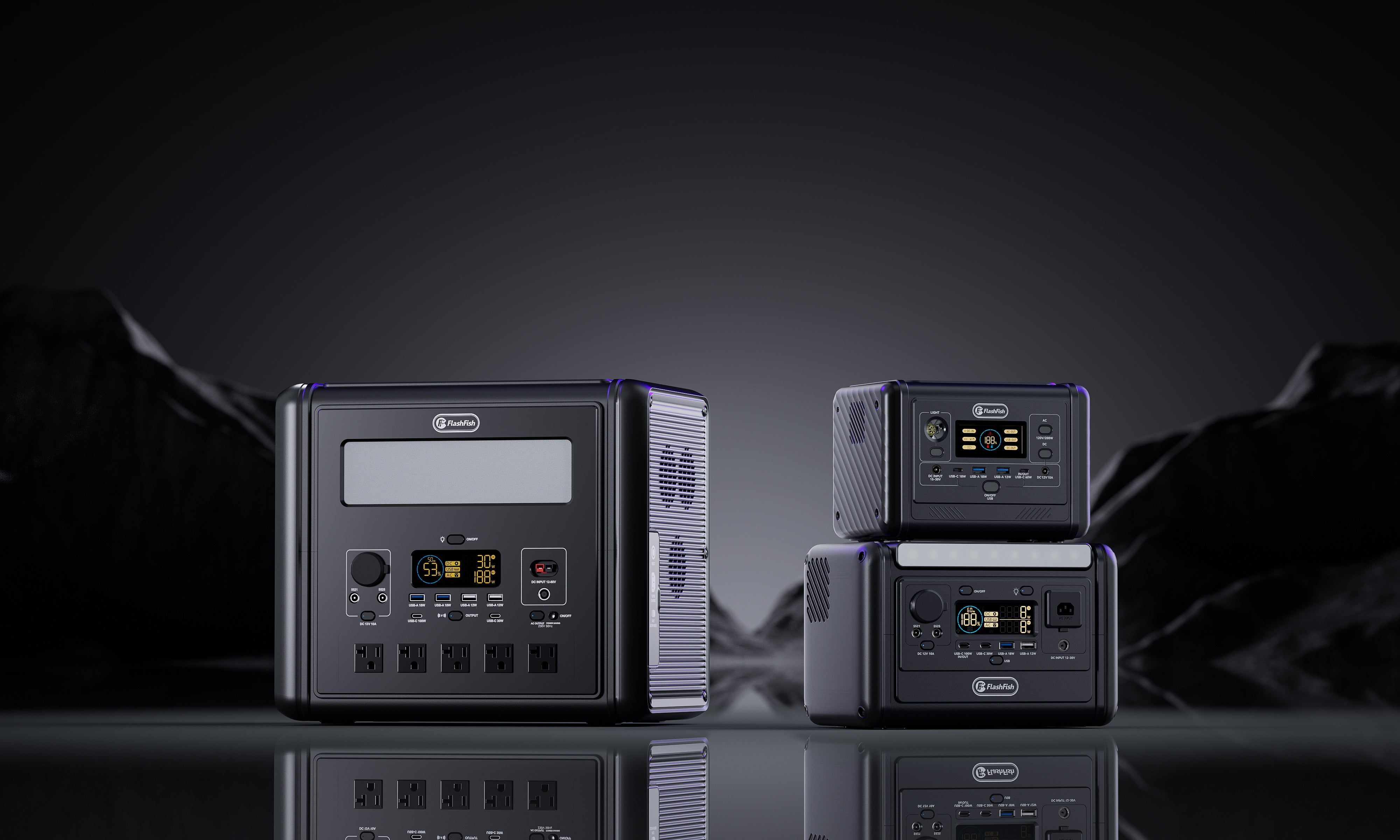
USB-C PD Watts vs Battery Capacity: What Each Number Means
Separate USB-C port power in watts from stored battery energy in watt-hours with the PORT framework before comparing a compact power station.
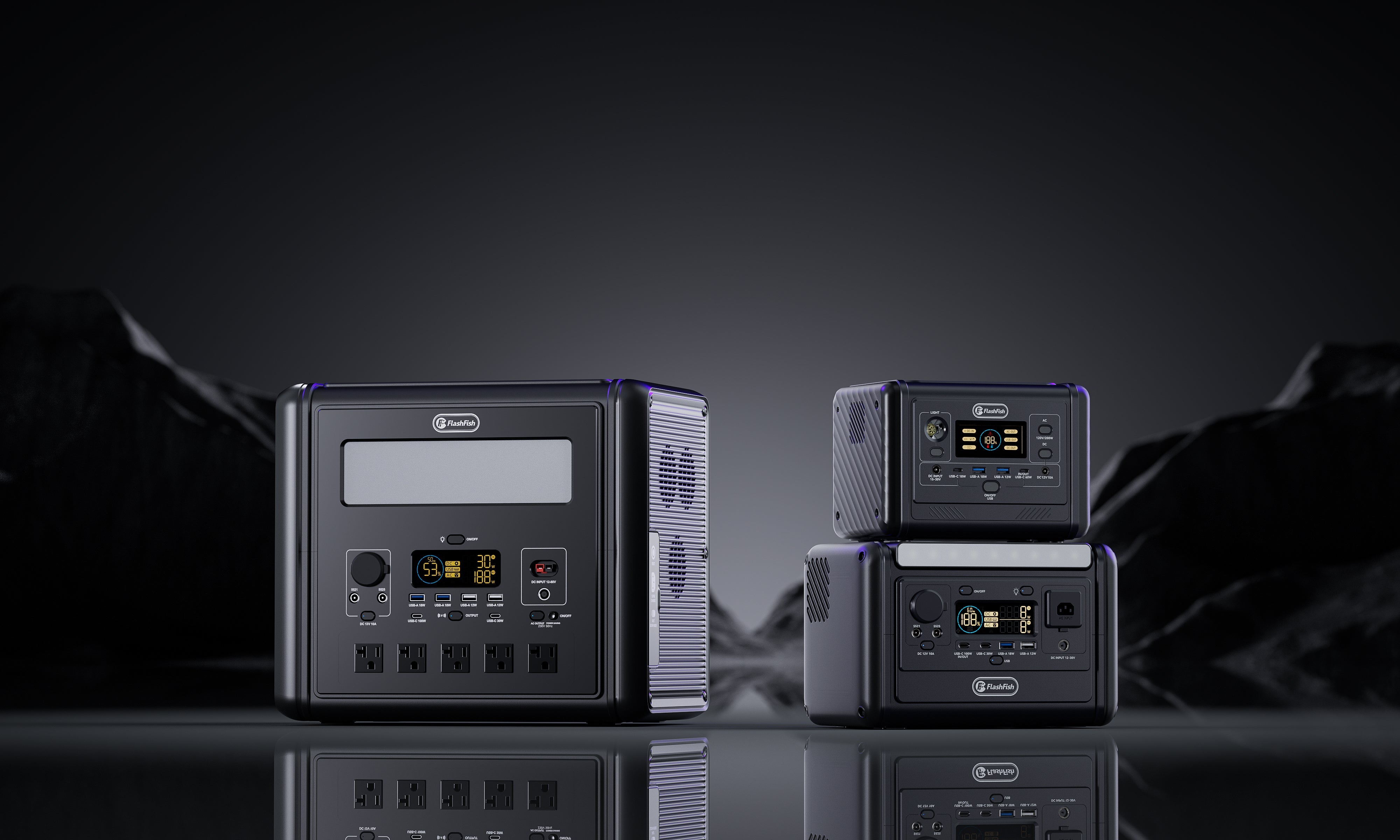
How to Measure Portable Power Station Fan Noise Fairly
Use the FAIR protocol to document distance, background sound, operating state and repeated readings before comparing portable power station fan noise.
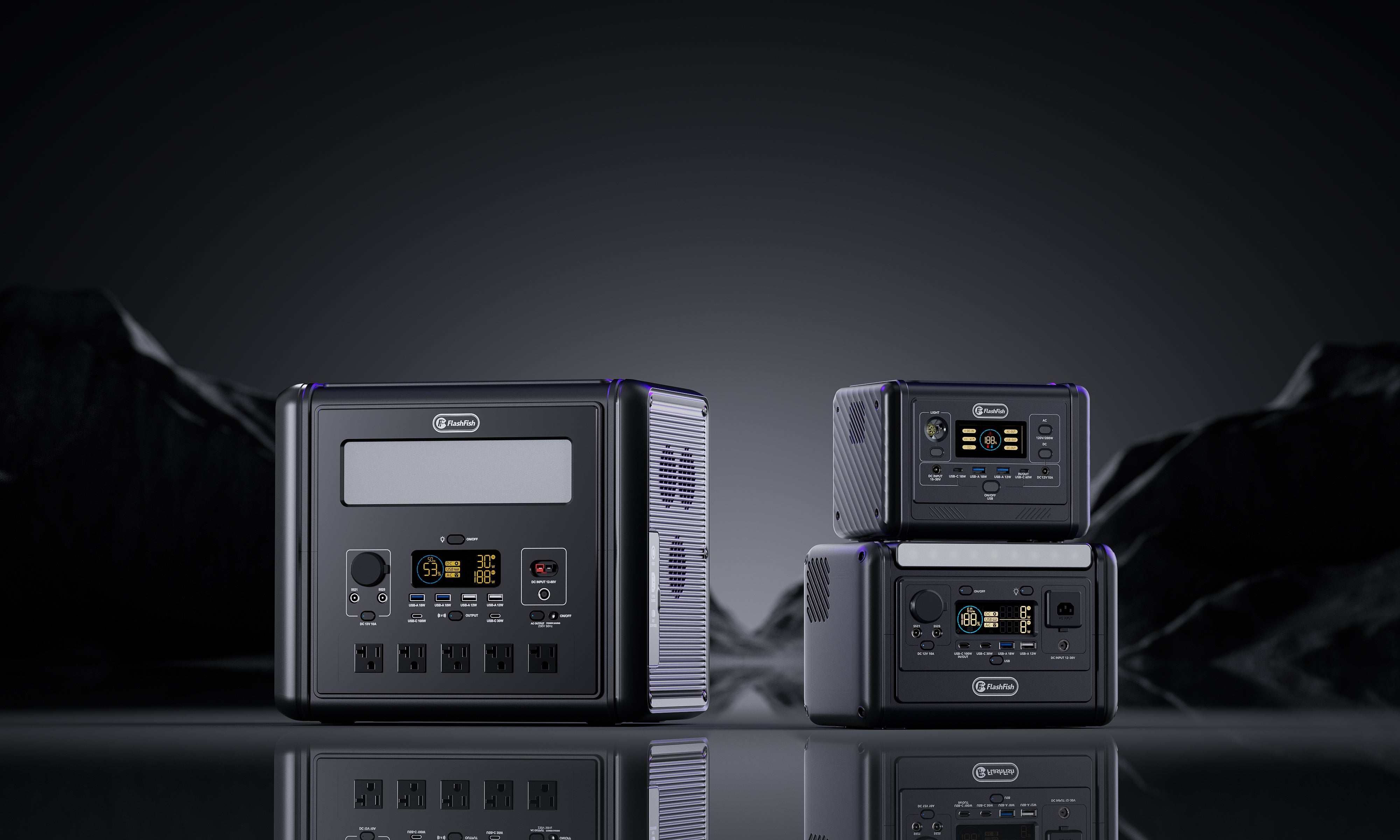
Watts vs VA in Portable Power Stations: Power Factor Explained
Use the PAIR framework to separate watts, apparent power, power factor, inrush and documented inverter limits before sizing an AC load.
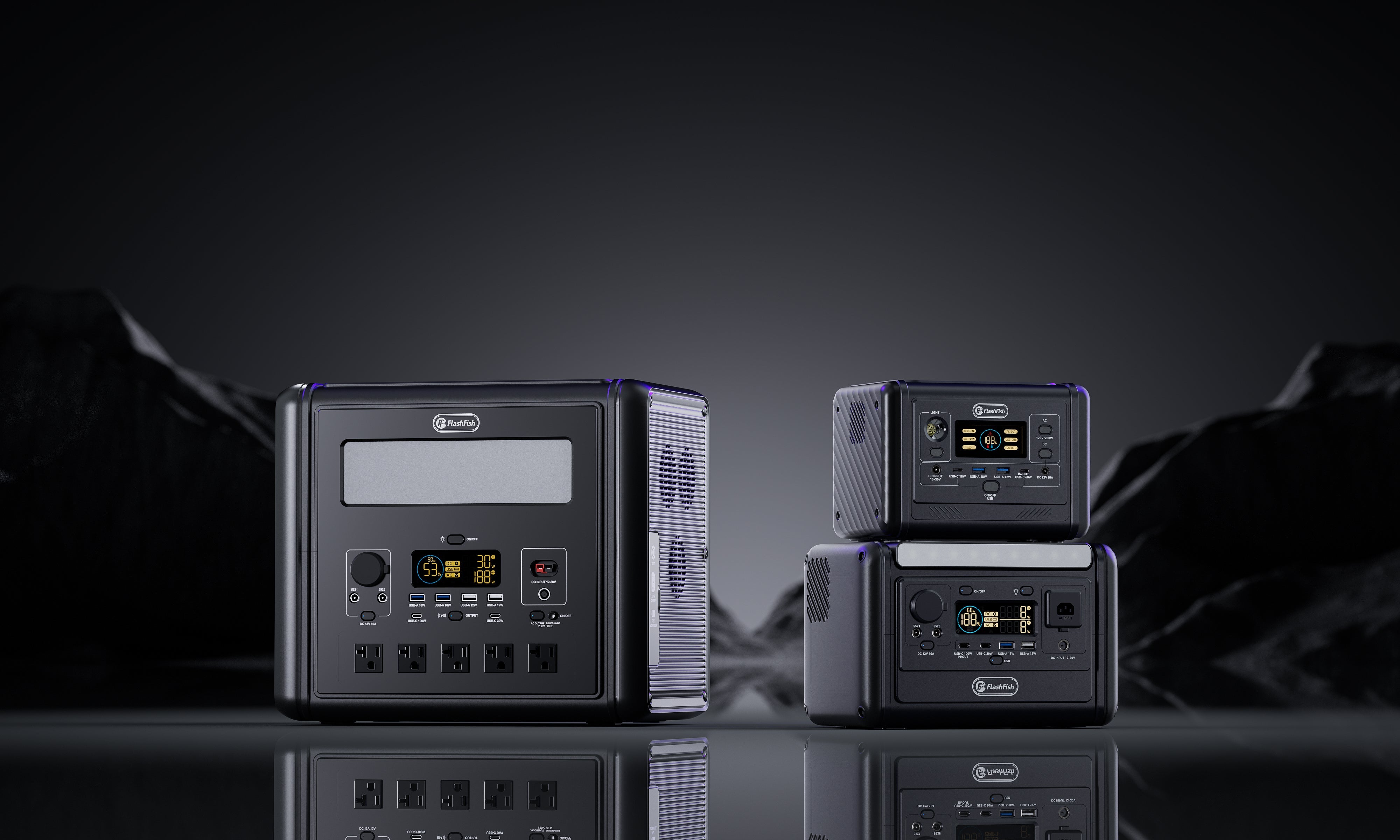
How to Recycle a Portable Power Station in Europe
Use the LAST framework to stop, document, route and hand over an end-of-life portable power station without binning, opening or guessing.
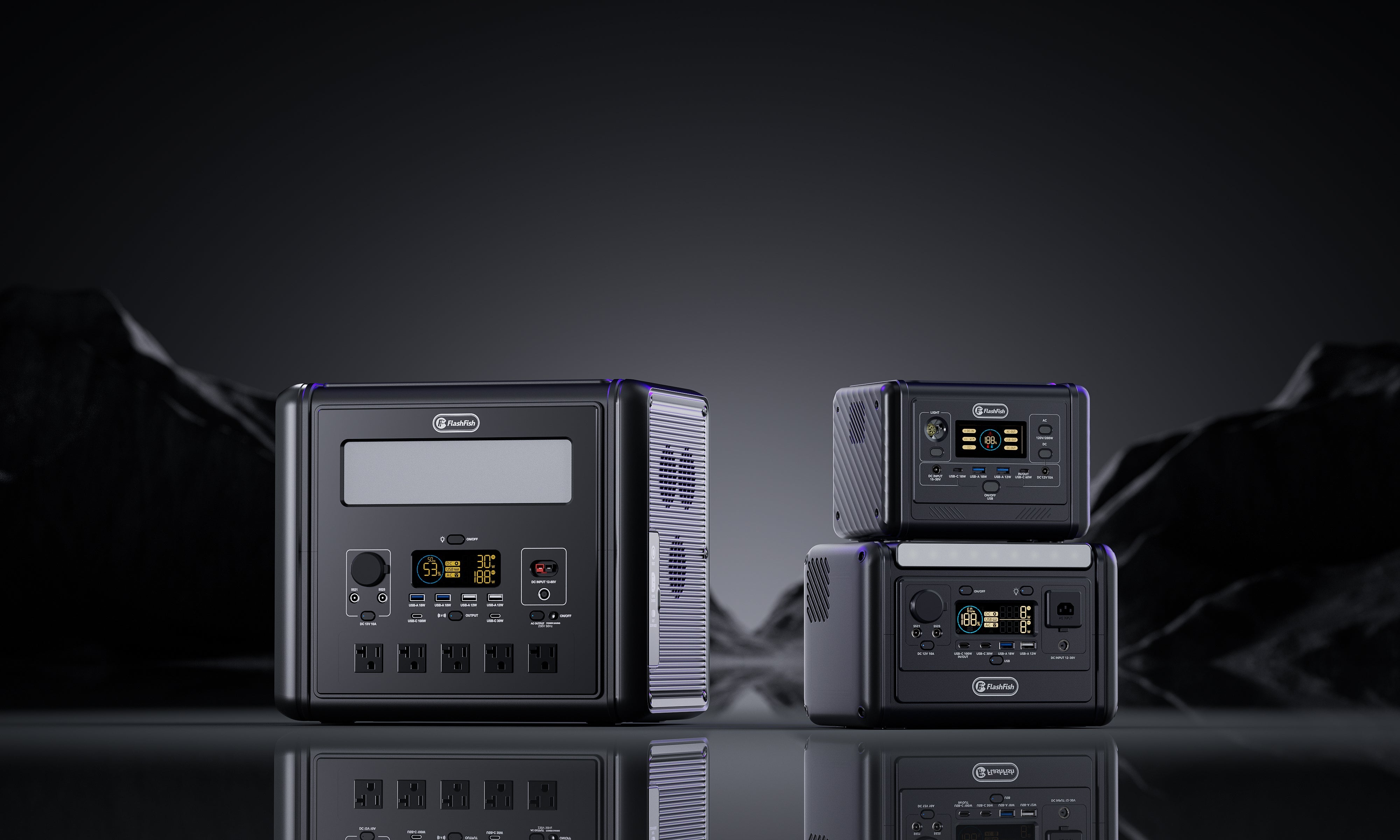
Why Portable Power Station Charging Time Is Not Just Battery Size
A practical PACE framework for comparing wall, solar and car charging without treating battery capacity or maximum input as a stopwatch.
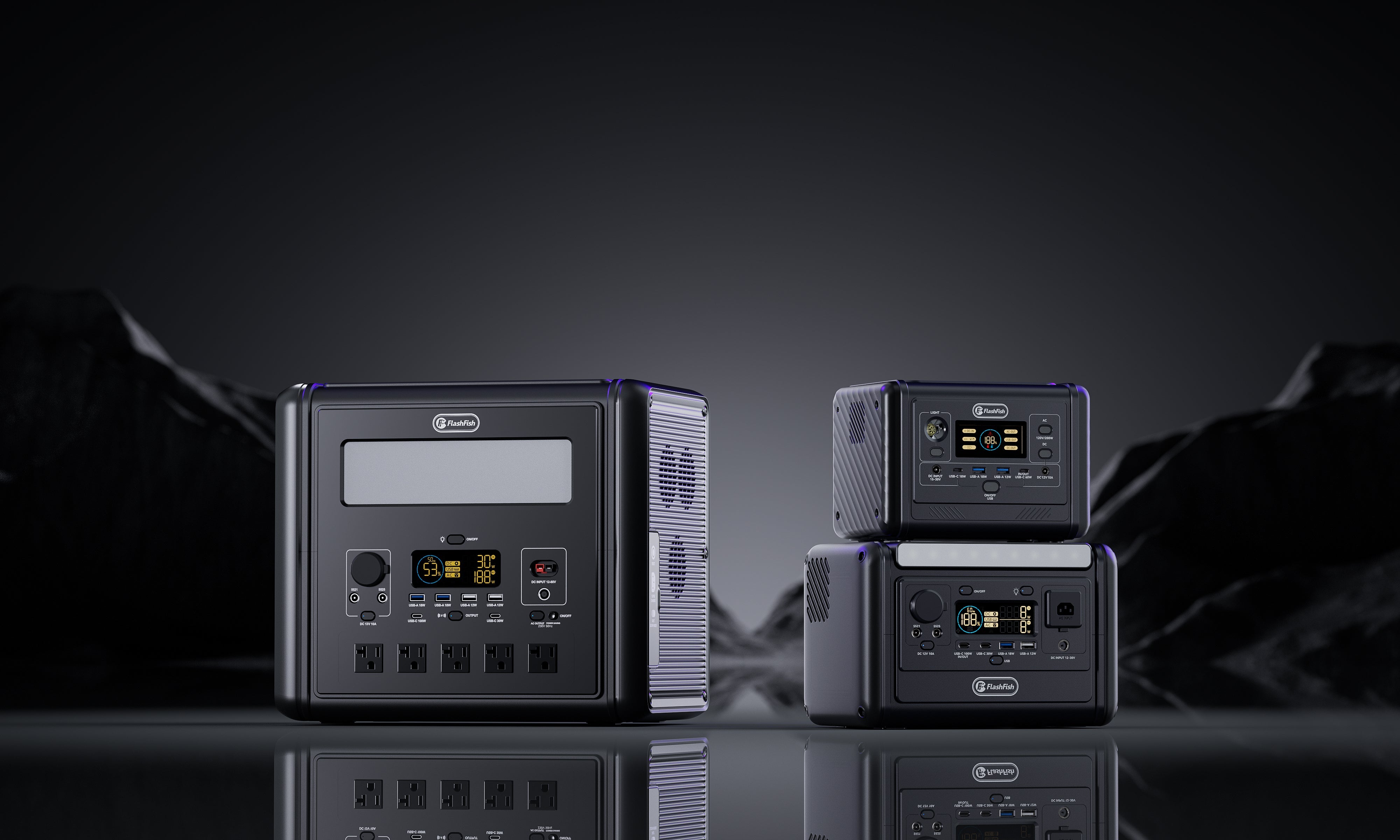
How to Use an EU Energy Label to Size a Portable Power Station
Use the LABEL framework to translate European appliance energy labels without confusing annual or programme energy with continuous and startup watts.
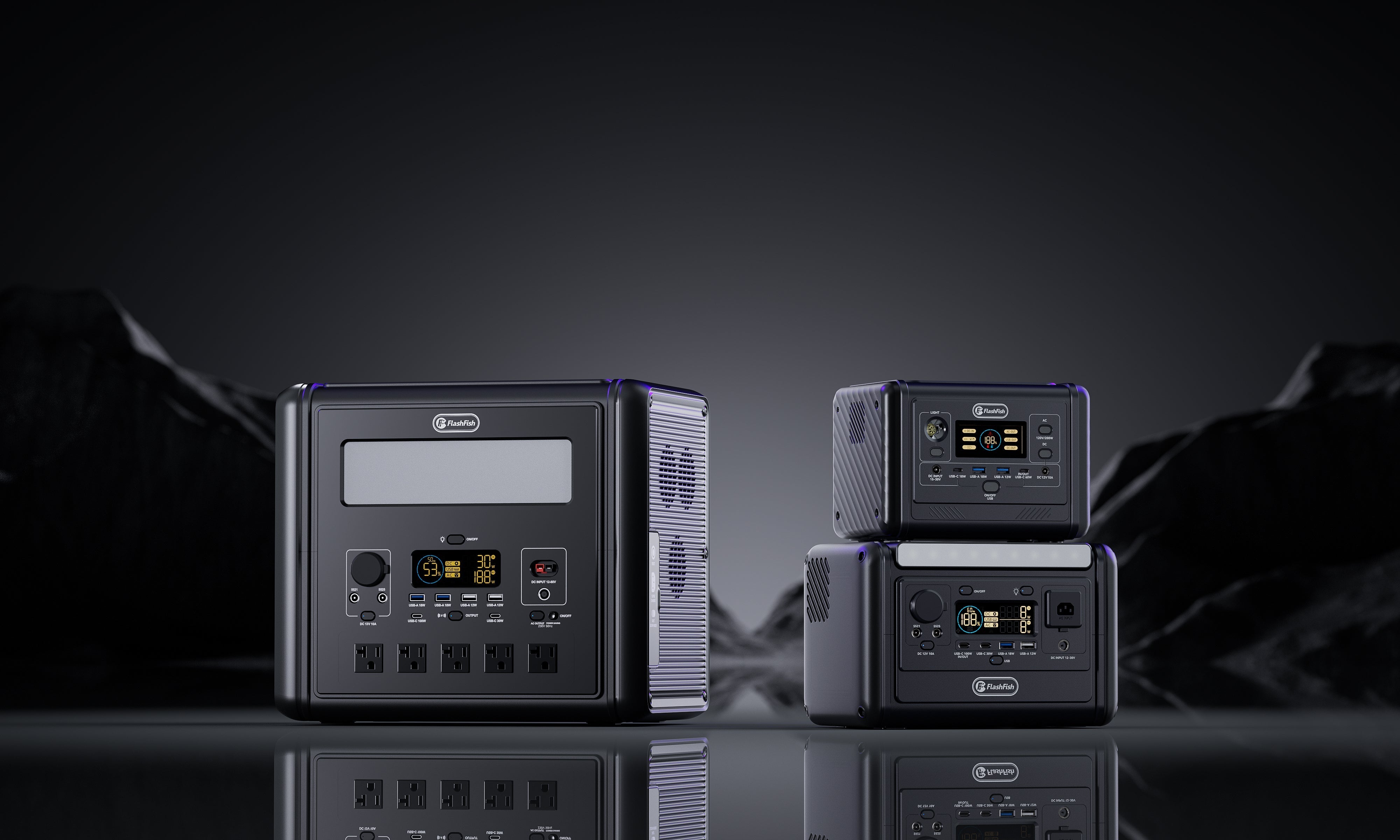
Battery State of Charge vs State of Health Explained
A practical guide to why a 100% battery display does not prove original capacity, power capability or long-term battery condition.
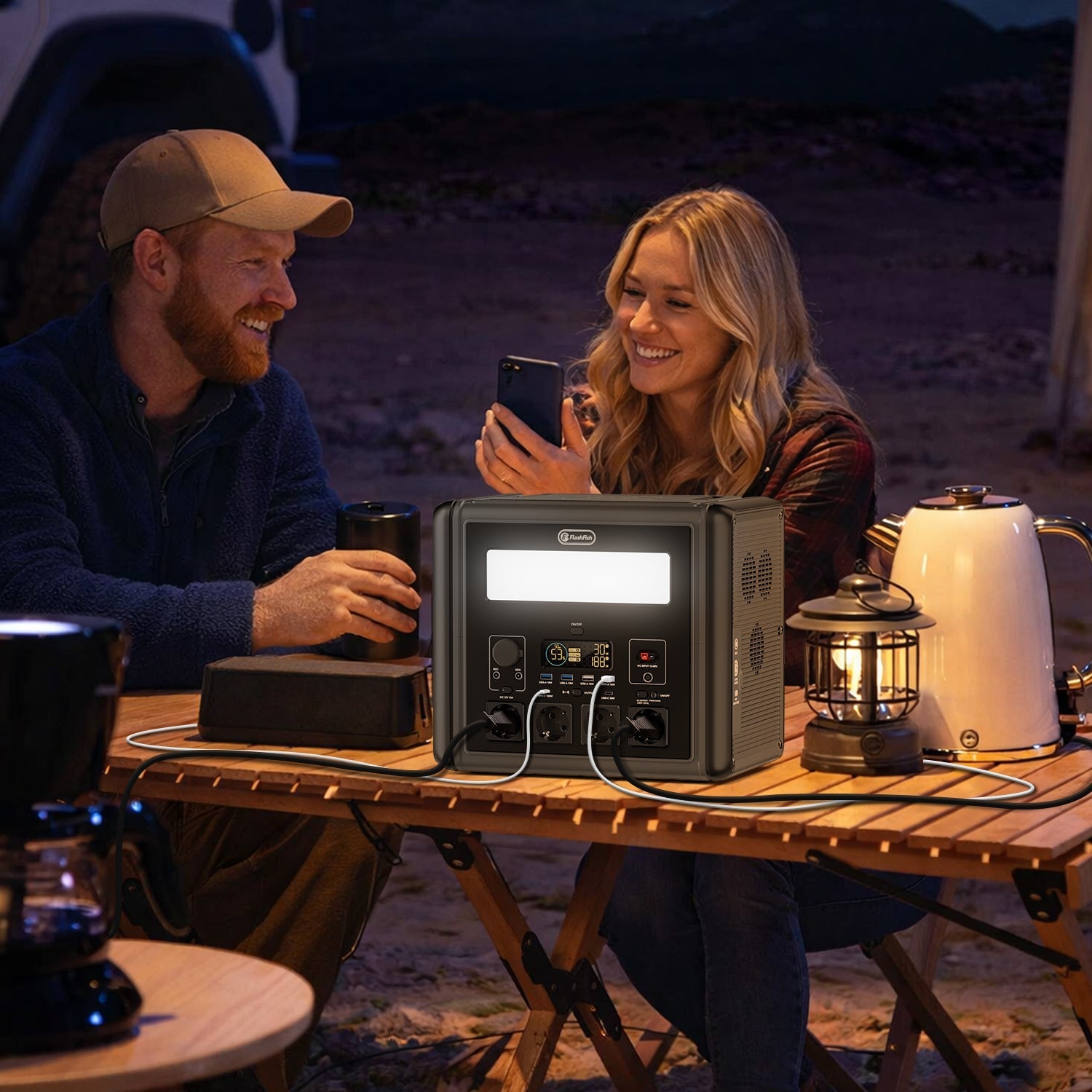
Should You Store a Portable Power Station at 100%?
A manufacturer-first storage guide that separates emergency readiness from long-term battery care and shows why one universal charge percentage is unreliable.

Charging vs Discharging Temperature for Power Stations
A practical temperature-boundary guide explaining why a power station may discharge in conditions where charging is not allowed, with T1200S and T2000 examples.
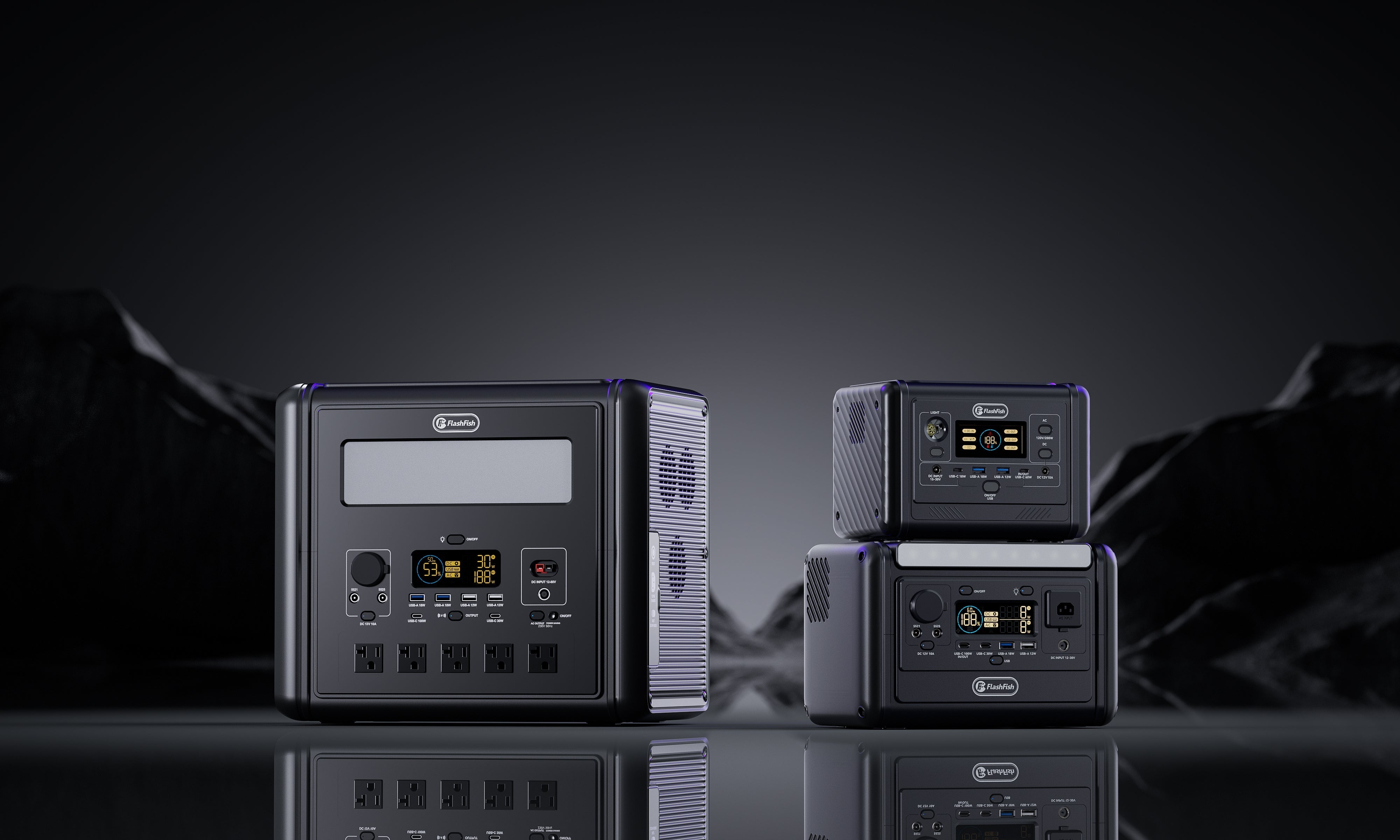
Portable Power Station Extension Lead Safety Guide
A Europe-focused LOAD checklist for matching appliances, extension leads, cable reels and power strips to a portable power station without overloading or daisy chaining.
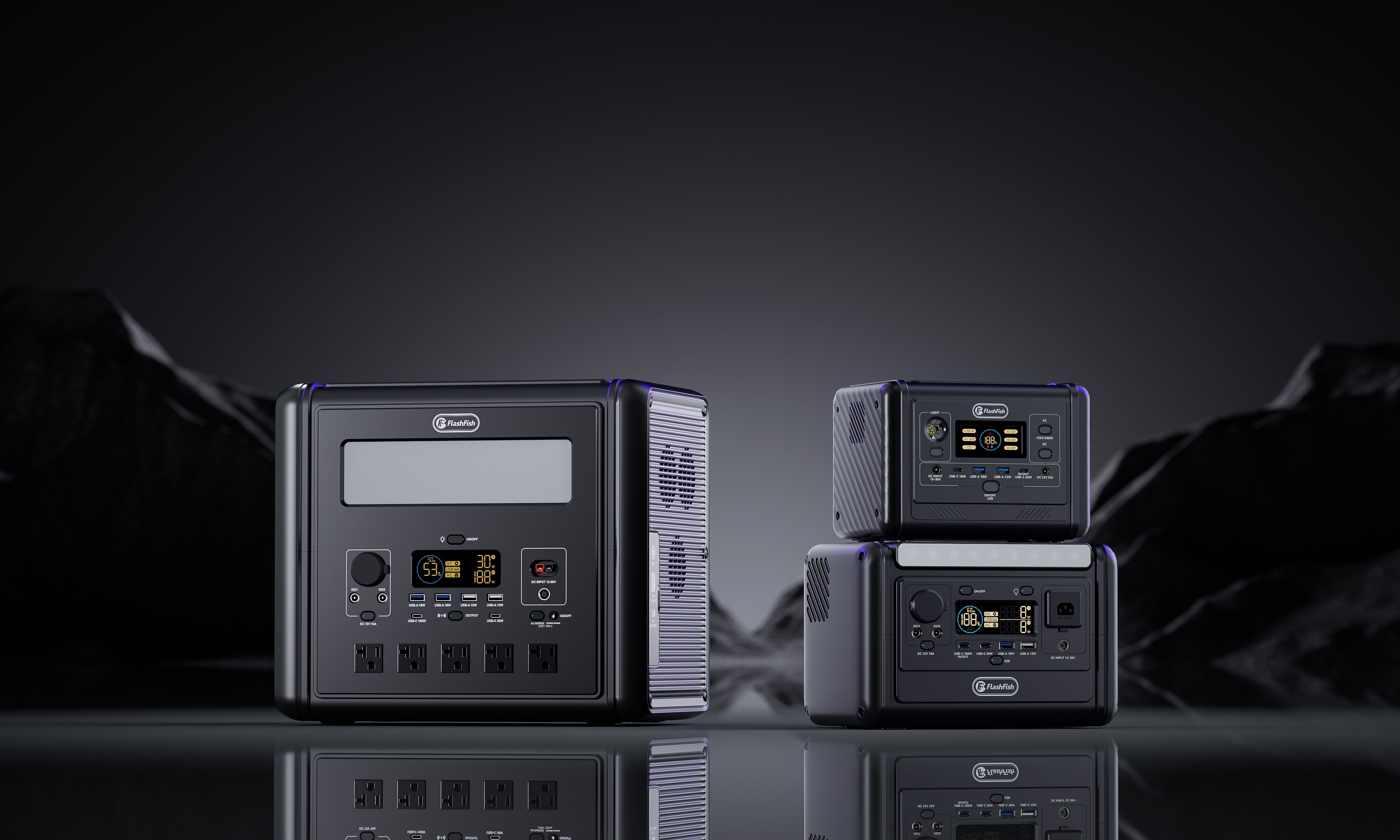
How to Inspect a Used Portable Power Station Before Buying
A Europe-focused TRACE checklist for checking identity, recalls, seller rights, physical condition, accessories and the limits of a short pre-purchase test.