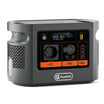
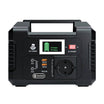

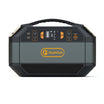
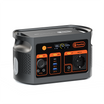






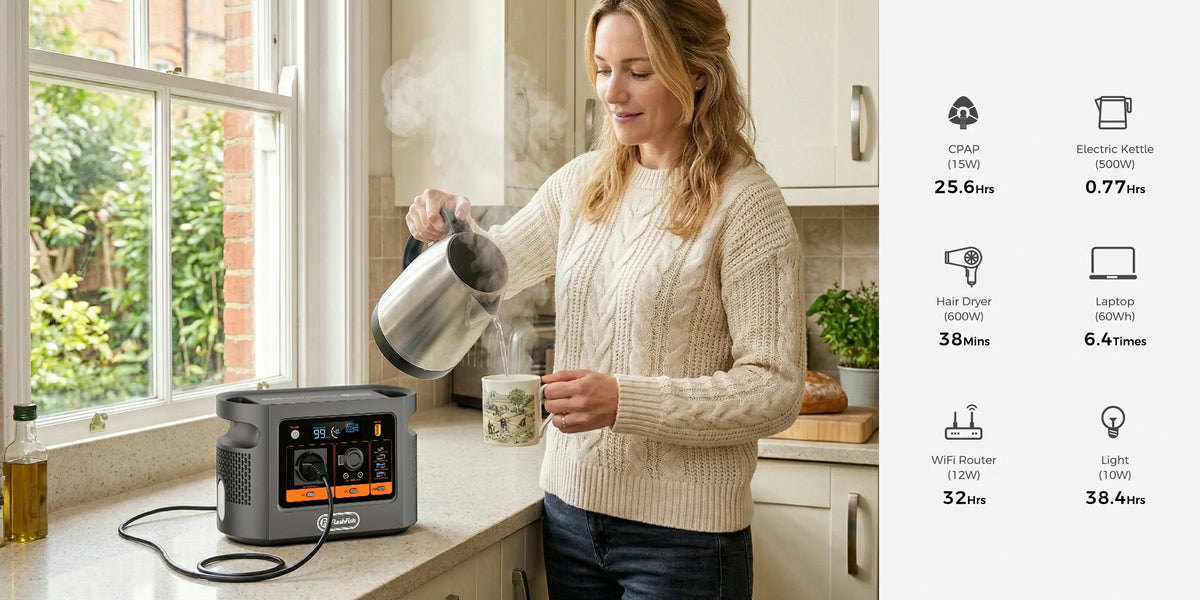
One E106B Between Rooms or Two for Separate Work Bays?
Use one E106B when work is staggered and a verified move is practical; consider two independent stations only when separate work bays genuinely overlap.
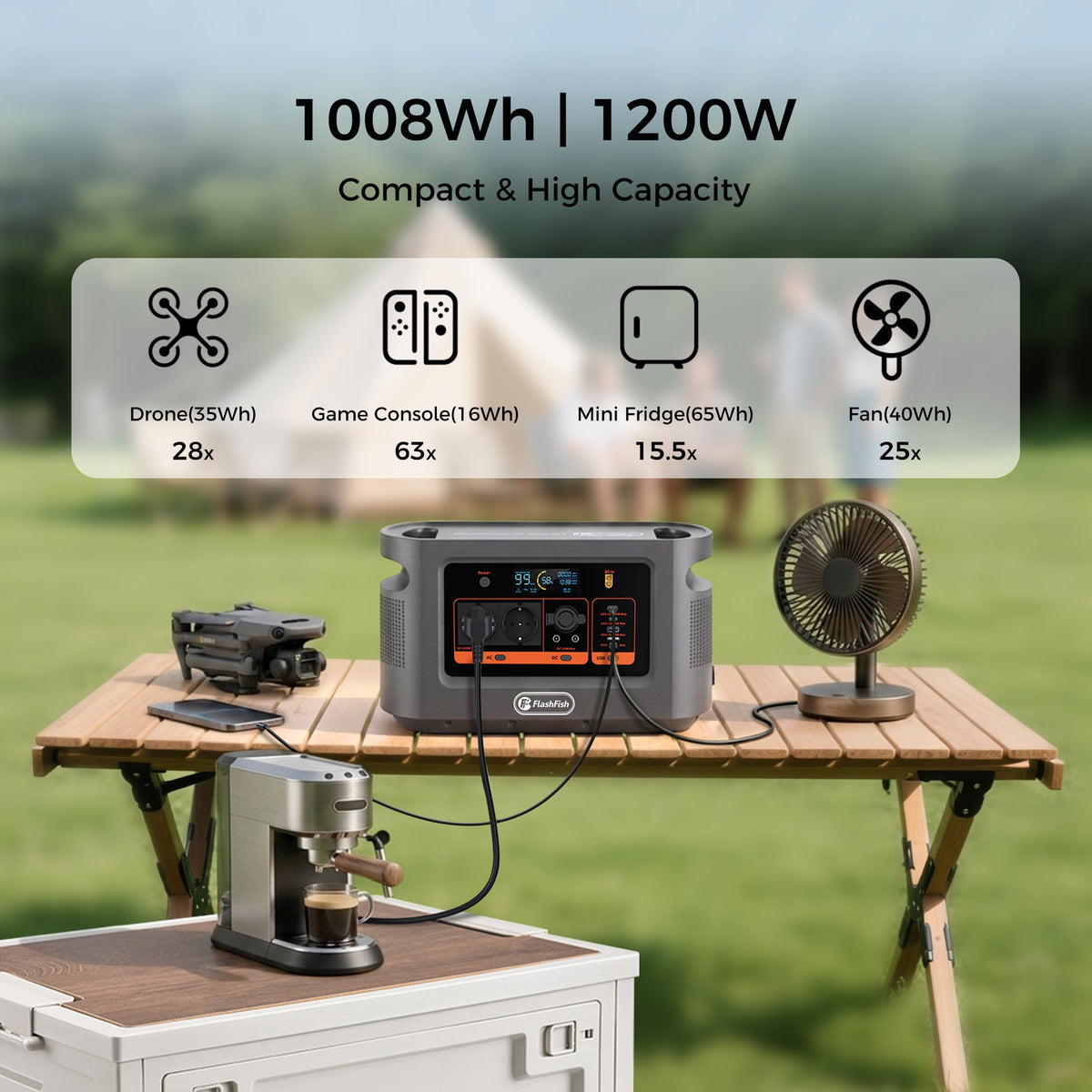
E112B vs EcoFlow DELTA 3 Classic for Direct 12V Gear
For equipment that truly requires a direct 12V source, the documented output route decides the shortlist before capacity, price or headline AC power.
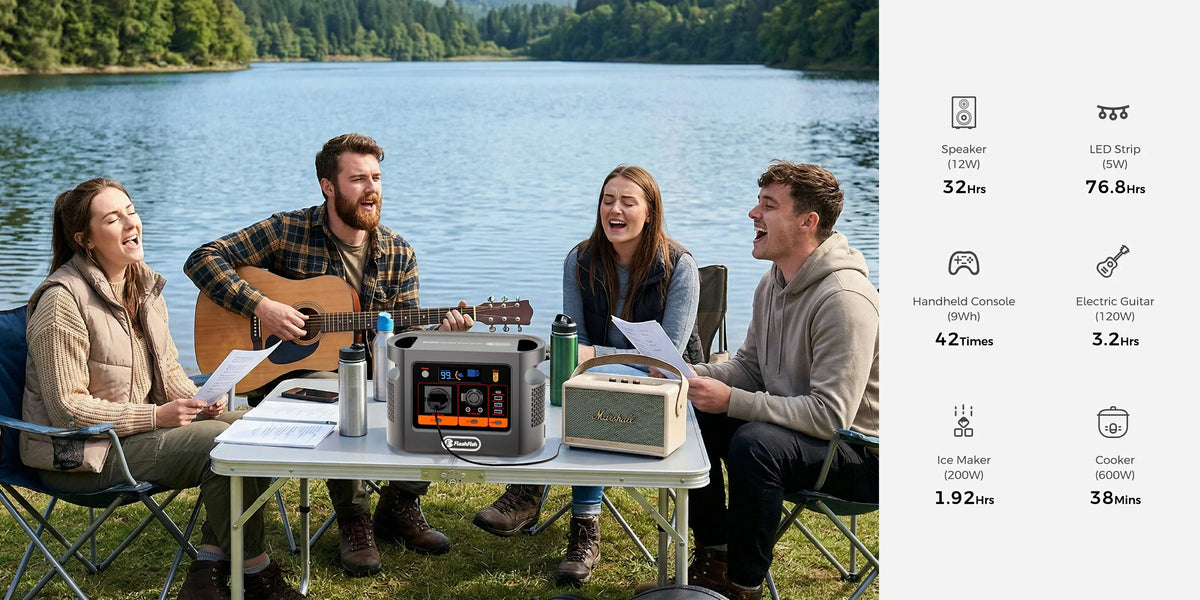
FlashFish E106B vs EcoFlow RIVER 3 Max for Camping
Use BOX-ENERGY-CARRY-PORTS-EXPAND: choose a complete camping system by architecture and verified device paths, not by one headline specification.
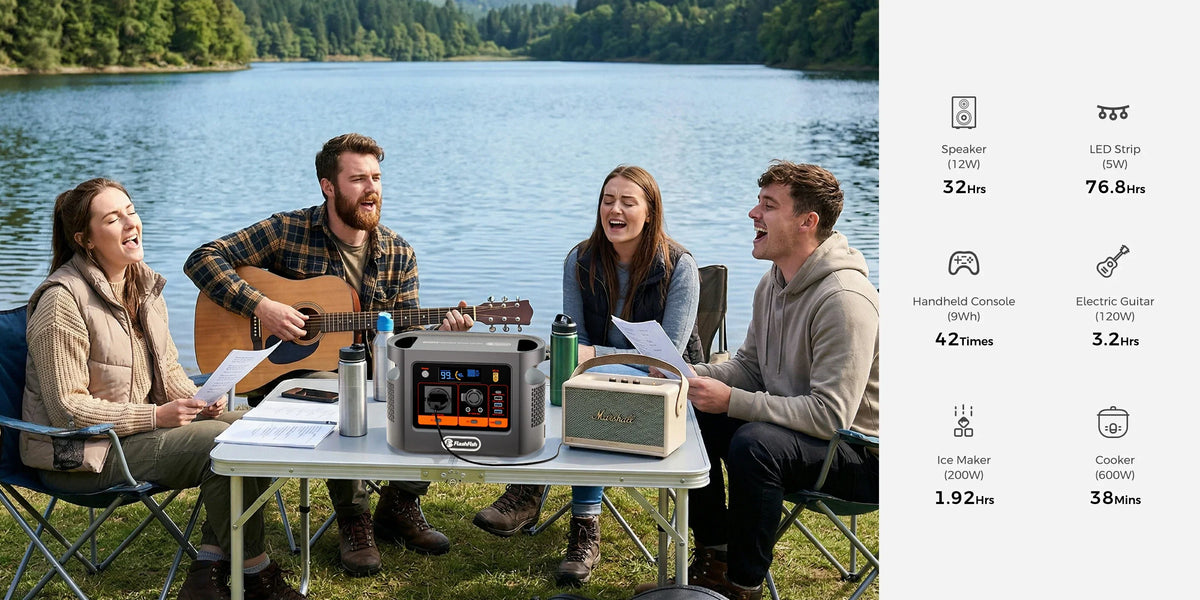
FlashFish E106B vs Jackery Explorer 300D for Camping
Use AC-NEED-CARRY-PORTS-ENERGY: decide whether any load requires 230V AC, compare the complete carried kit, verify the exact port and cable, then use nominal energy only as a planning input.

FlashFish E200 vs BLUETTI Elite 10 Mini
Use ENERGY-AC-PATH-CARRY-FEATURE: define the device kit first, then compare like-for-like declared evidence instead of letting one larger number decide the purchase.
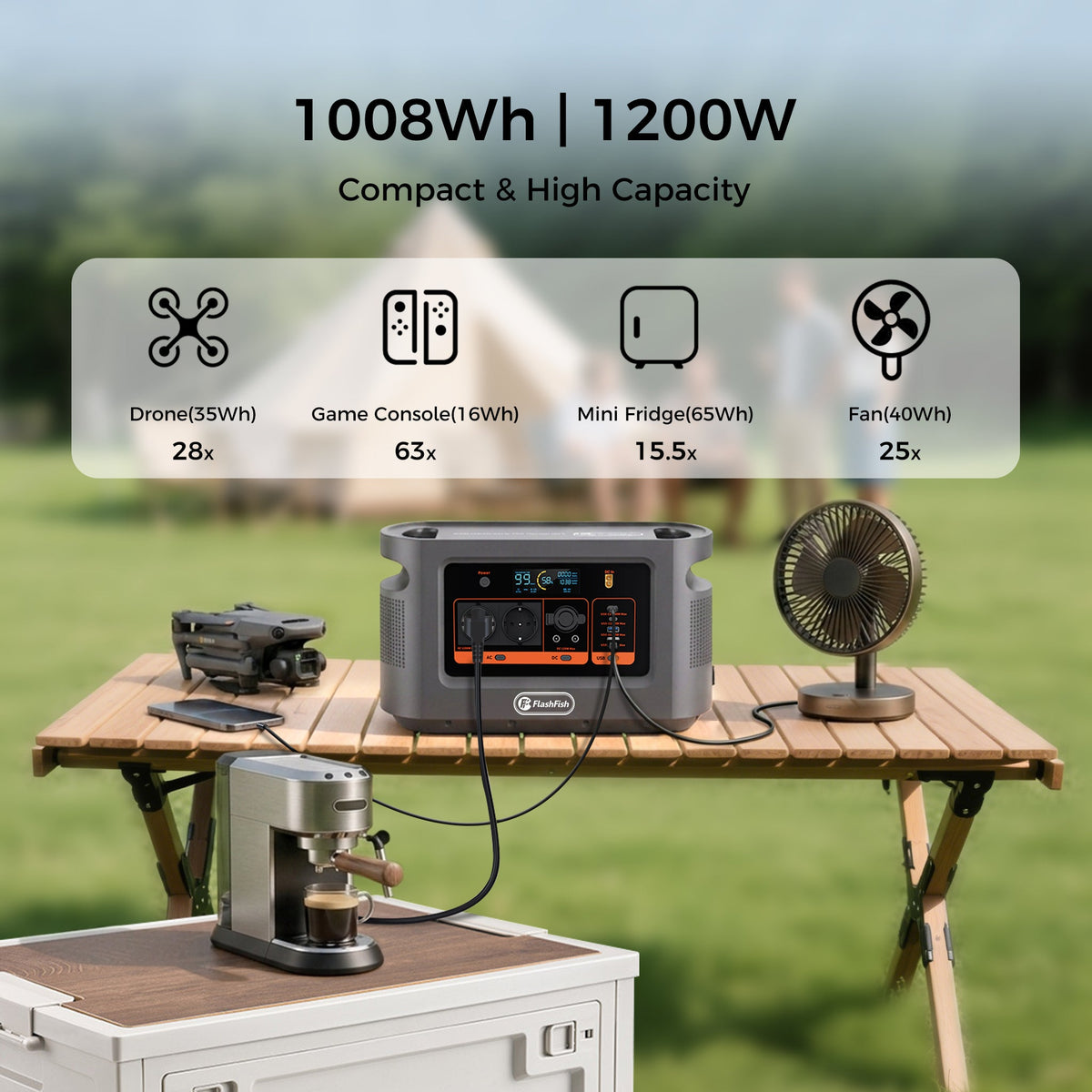
FlashFish E112B vs Jackery Explorer 1000 v2
Use EVIDENCE-LOAD-CARRY-PORTS: rank source quality first, define the complete load, compare the carried kit and then verify the exact outlet or charging protocol instead of choosing by capacity alone.
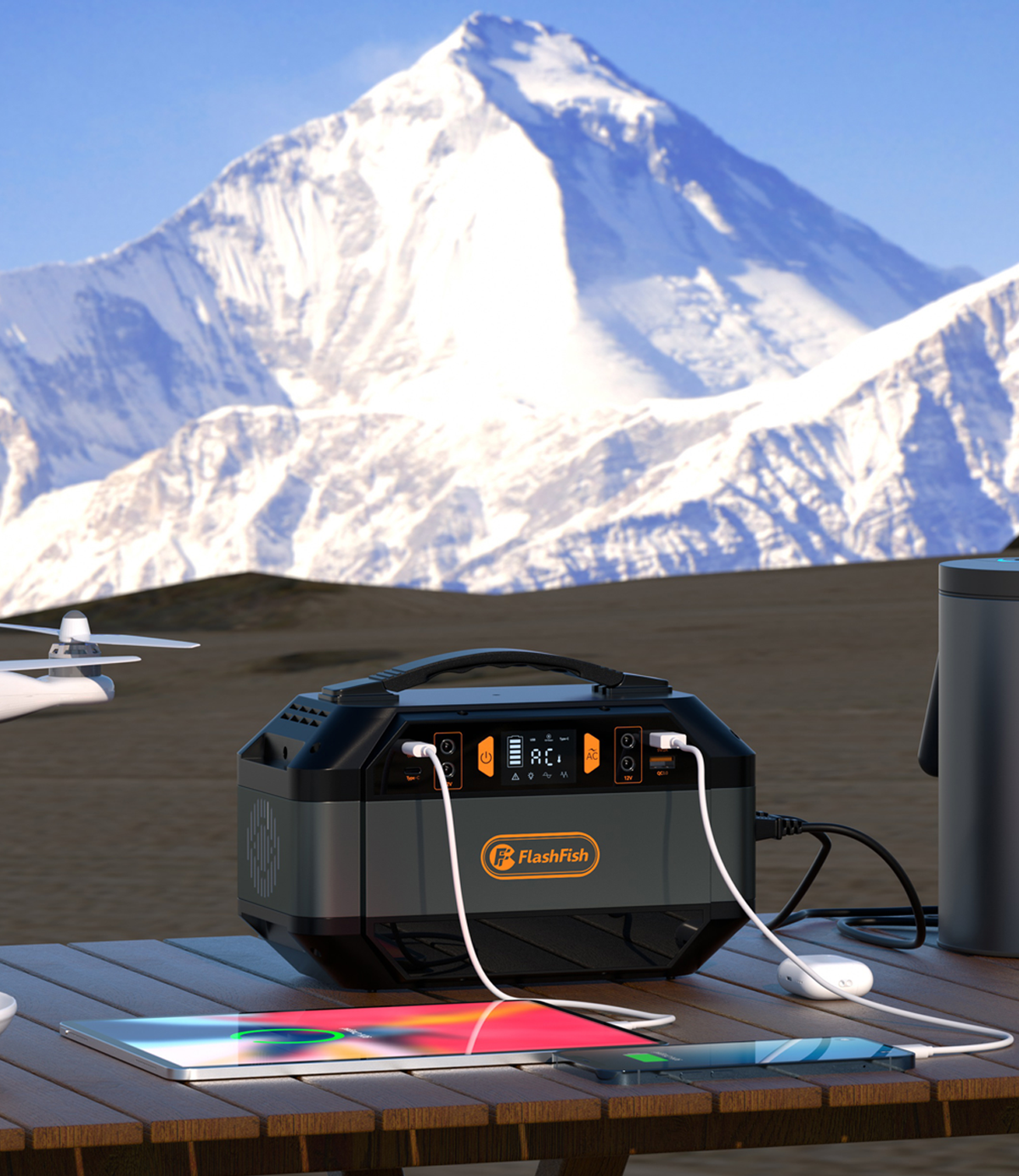
FlashFish P56 vs E106B for Light Camping
Use CARRY-PORT-LOAD-RESERVE: compare the complete carried kit, verify each charging port, test the declared load and preserve energy for the trip's priority devices.
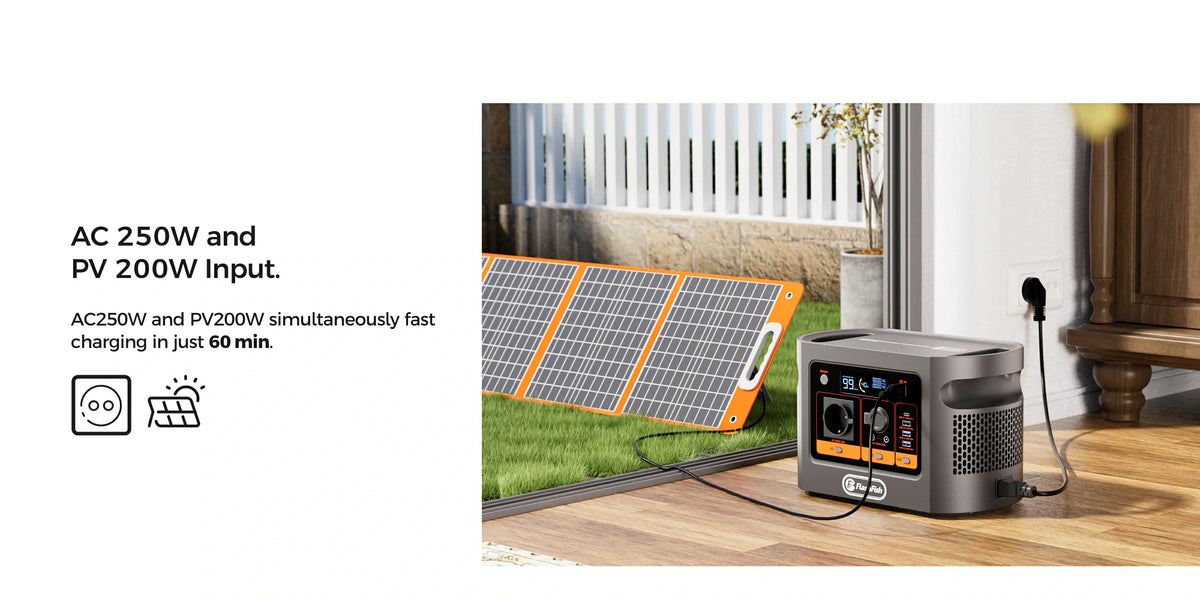
FlashFish E106B vs EcoFlow RIVER 3 for Camping
Use HEADROOM-CARRY-FEATURE: define the light-camping kit, compare continuous output rather than boost labels, accept the weight trade-off, and pay only for documented features the trip will use.
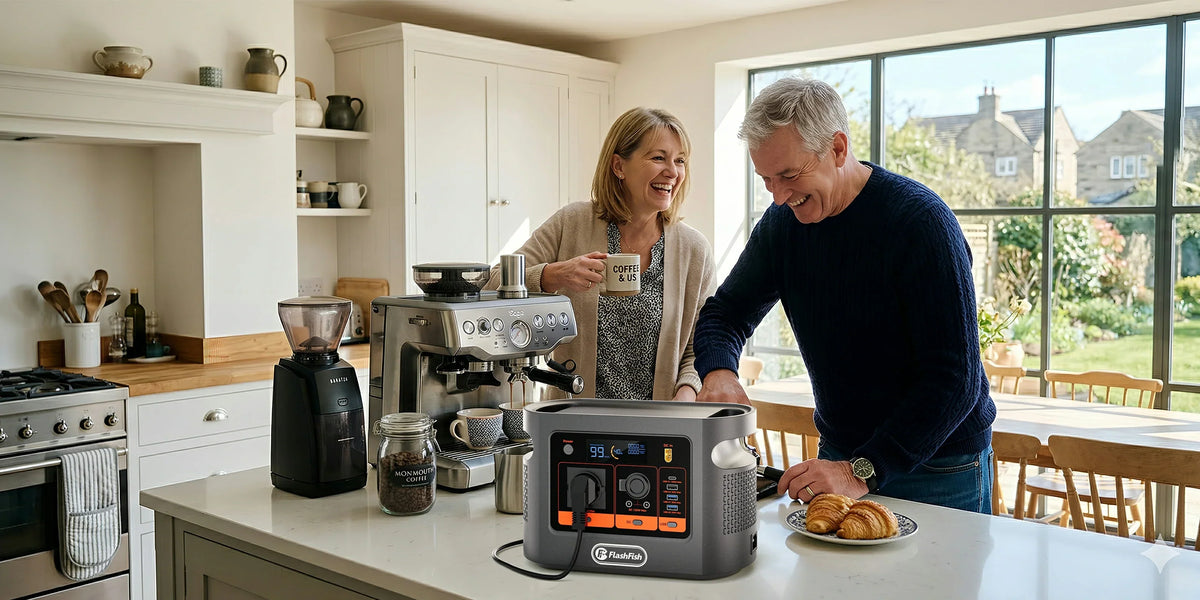
FlashFish P66A vs E106B for a Laptop Day Kit
Use CARRY-PATH-HEADROOM: decide how the exact laptop charges, then balance mass, nominal energy and continuous AC output instead of buying on watt-hours alone.
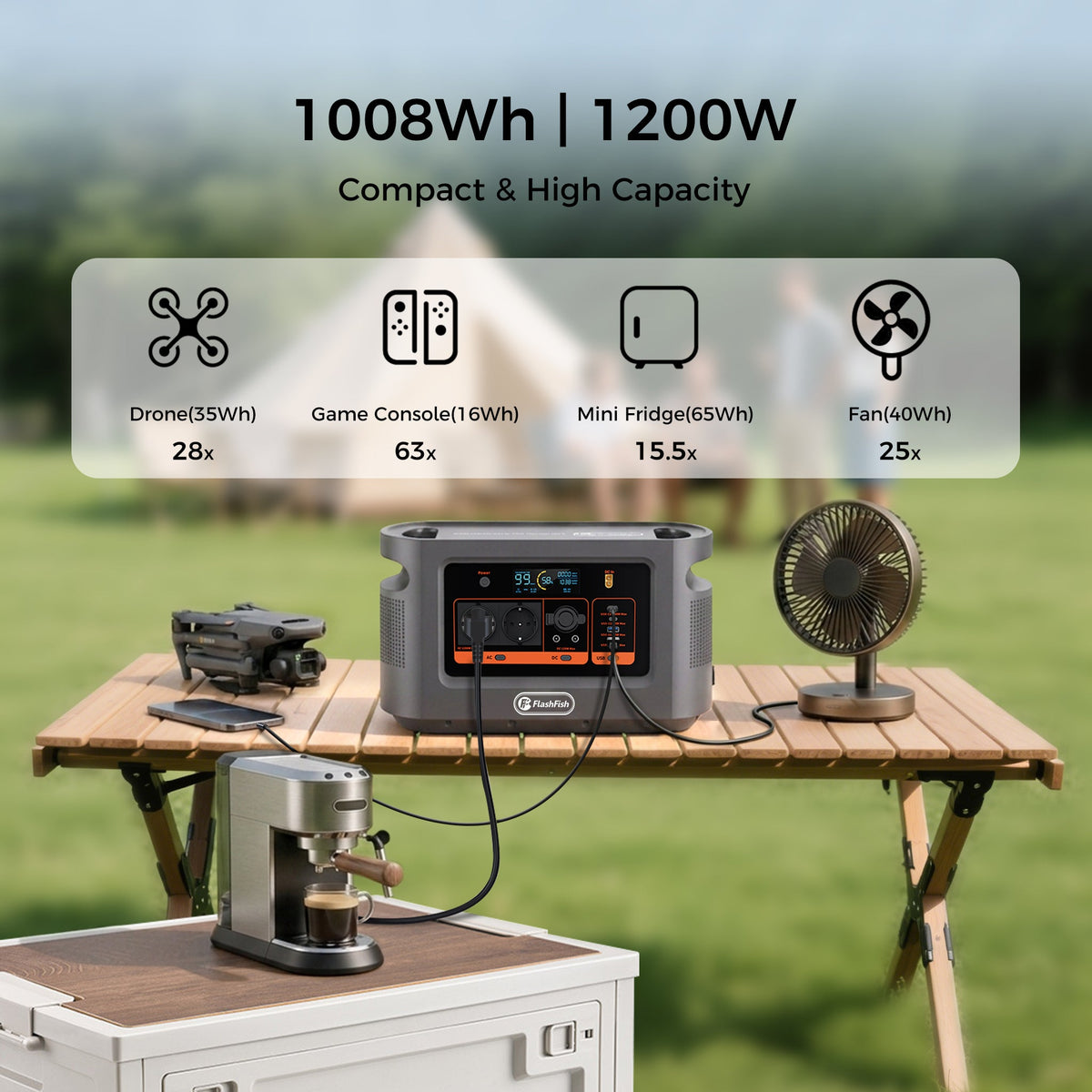
FlashFish E112B vs Anker SOLIX C800: Carry or Capacity?
Use the E-W-F ladder—normalize electrical ratings, compare carried weight and energy, then count only documented features—before choosing between E112B and C800.
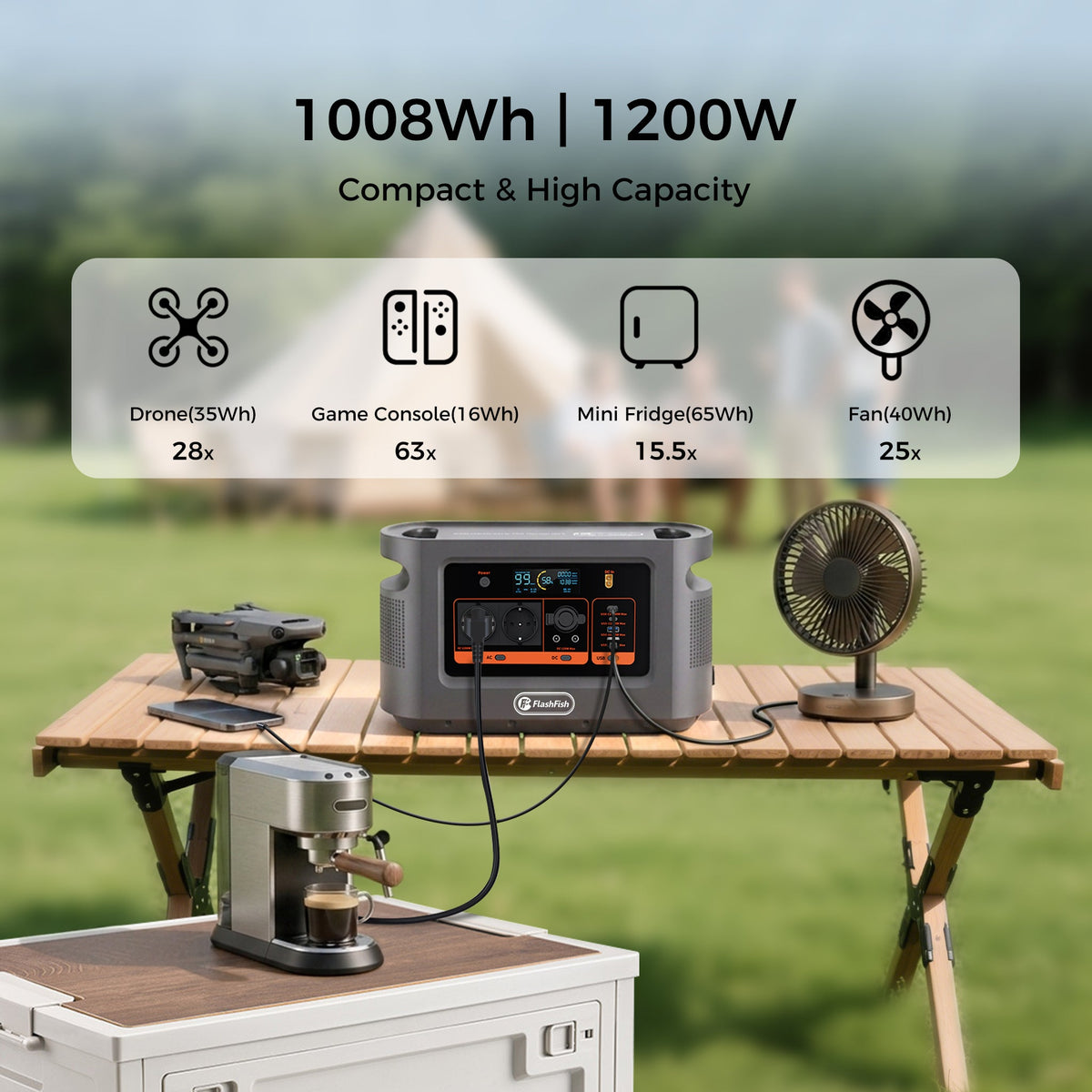
FlashFish E112B vs BLUETTI AC70 for Indoor Loads
Choose by evidence strength, not the largest watt number: continuous output, shared maximum, surge and voltage-reduction modes answer different appliance questions.

FlashFish E112B vs EcoFlow RIVER 2 Pro for Selected Loads
E112B leads on documented nominal energy and continuous AC output; RIVER 2 Pro is lighter and documents app, chemistry and peak features. Choose by a declared load set.

FlashFish E106B vs BLUETTI AC60P: Which Fits?
CARRY compares equal 600W output against nominal energy, documented protection, carried mass, required features and the buyer's real environment.

FlashFish P66A vs E200: Which 200W Station Fits?
SAME-200 holds the continuous AC class constant, then scores AC evidence, mobile charging paths, nominal energy, carry burden and unresolved fields before choosing.

FlashFish A201 vs E103: Carry Weight or USB-C Power?
PATH makes power route, appliance ceiling, travel burden and hardware-evidence confidence the decision, because A201 and E103 have similar nominal energy but materially different documented output ...
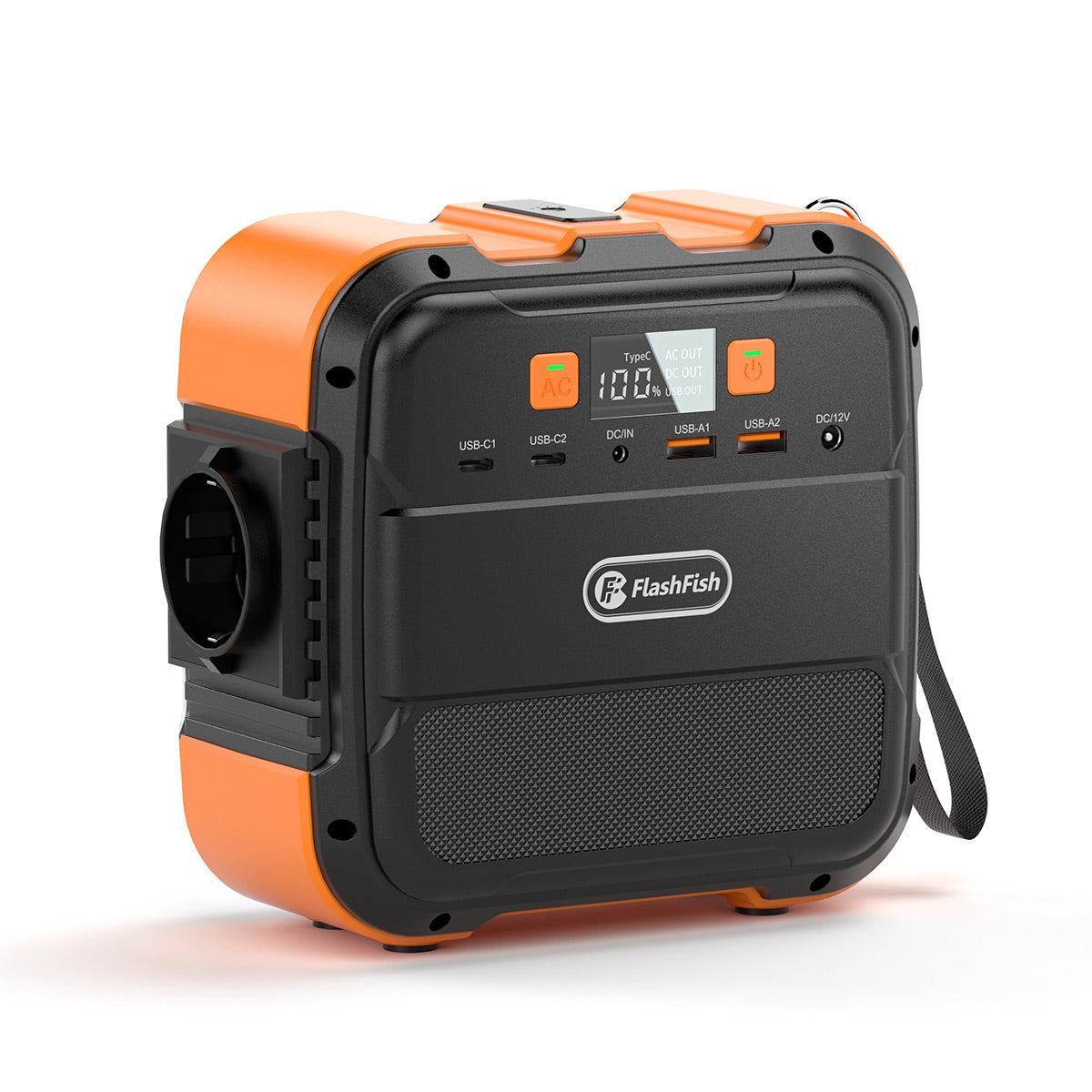
FlashFish A101 vs E106B: Day Trip or Weekend Power?
TRIP chooses by time away, required outputs, inverter load and pack weight while treating unresolved regional documentation as a decision factor, not a detail to hide.

FlashFish E103 vs T300PRO: Which 300W Station Fits?
SAME-300 holds continuous AC output constant, then compares stored energy, USB-C, mass, size and evidence quality so the buyer can see what actually changes.
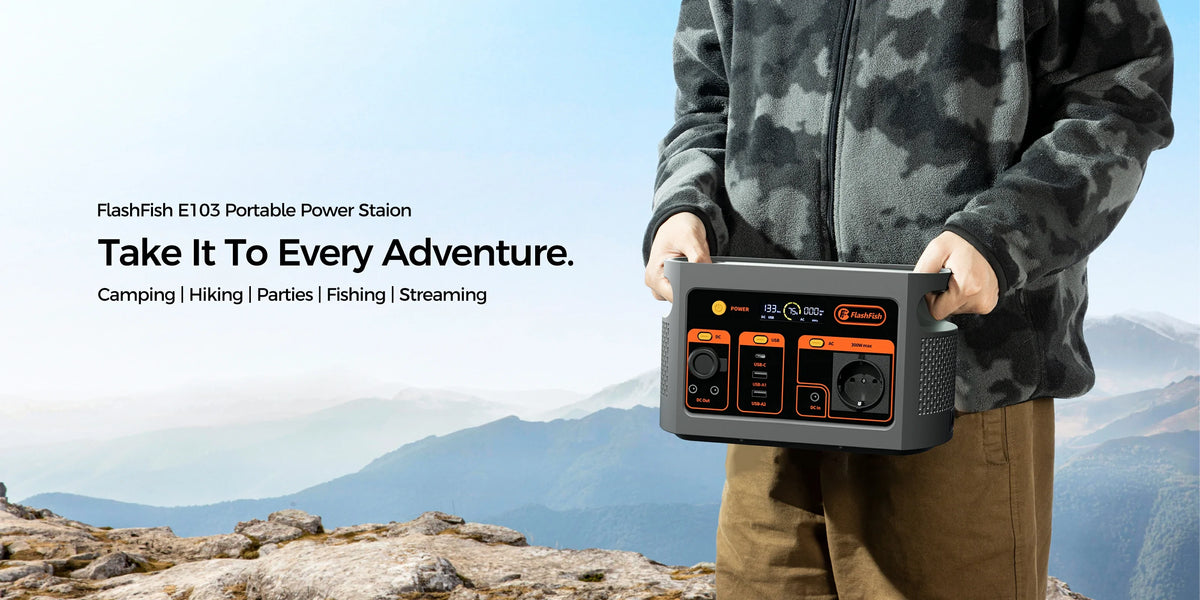
FlashFish E103 vs E200: Which Compact Station Fits?
PATH-200-300 starts with the device power path, then compares AC ceiling and waveform, total nominal energy, high-power USB needs and carry burden.
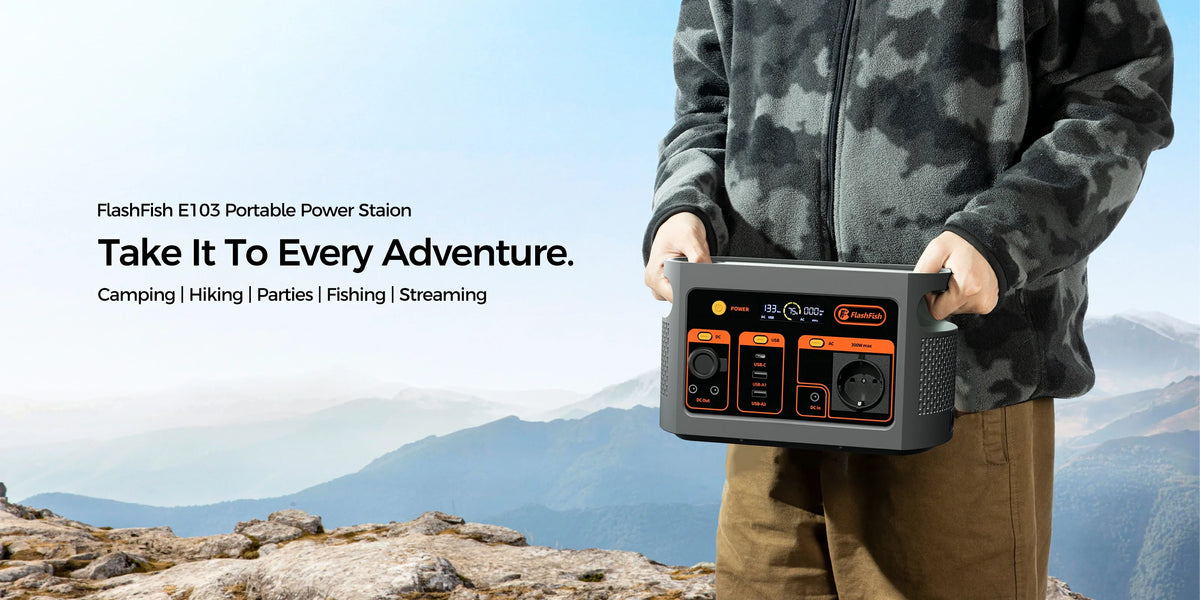
FlashFish E103 vs BLUETTI AC2P for Compact Camping
CAMP-300 compares Carry, AC envelope, Mobile ports and Proof quality so the shared 300W headline does not hide different energy and portability trade-offs.
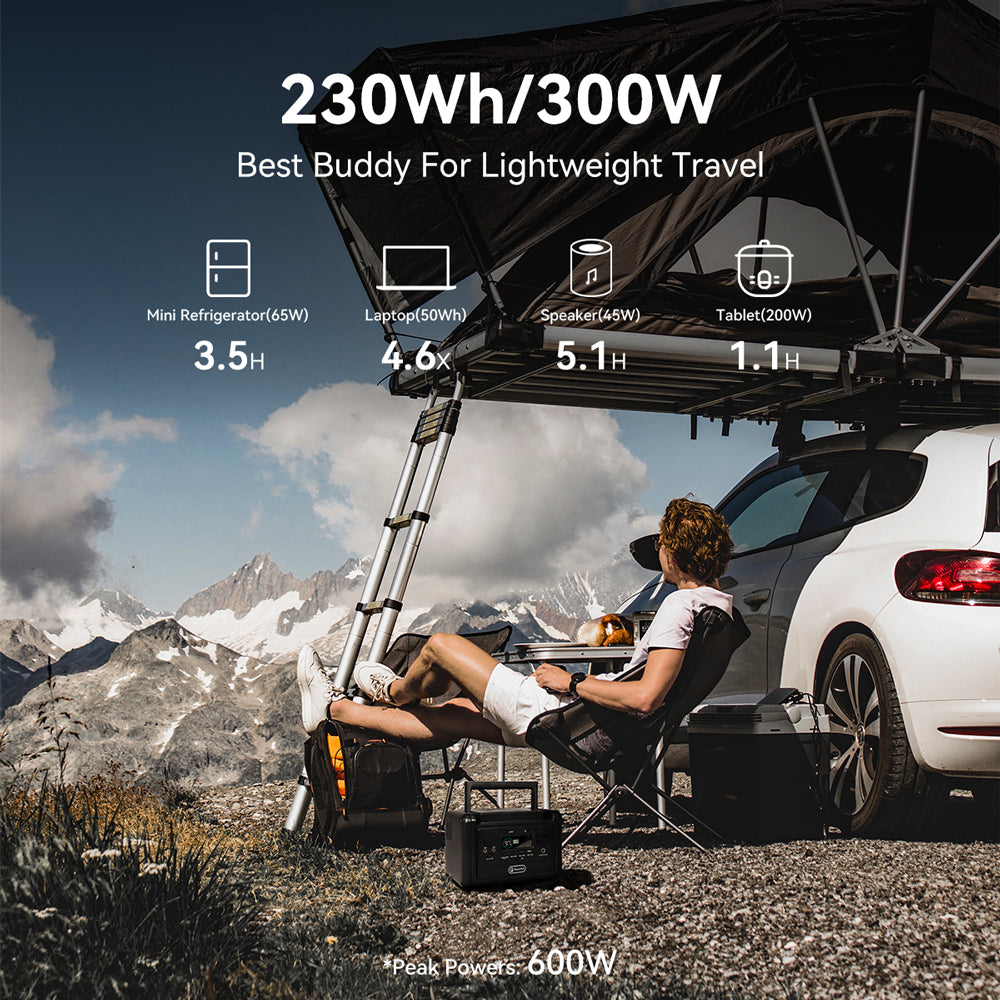
FlashFish T300PRO vs E106B for Car Camping Power
CAMP-PATH compares capacity, AC ceiling, mobility and port paths against a measured car-camping device list before choosing the smaller T300PRO or larger E106B envelope.
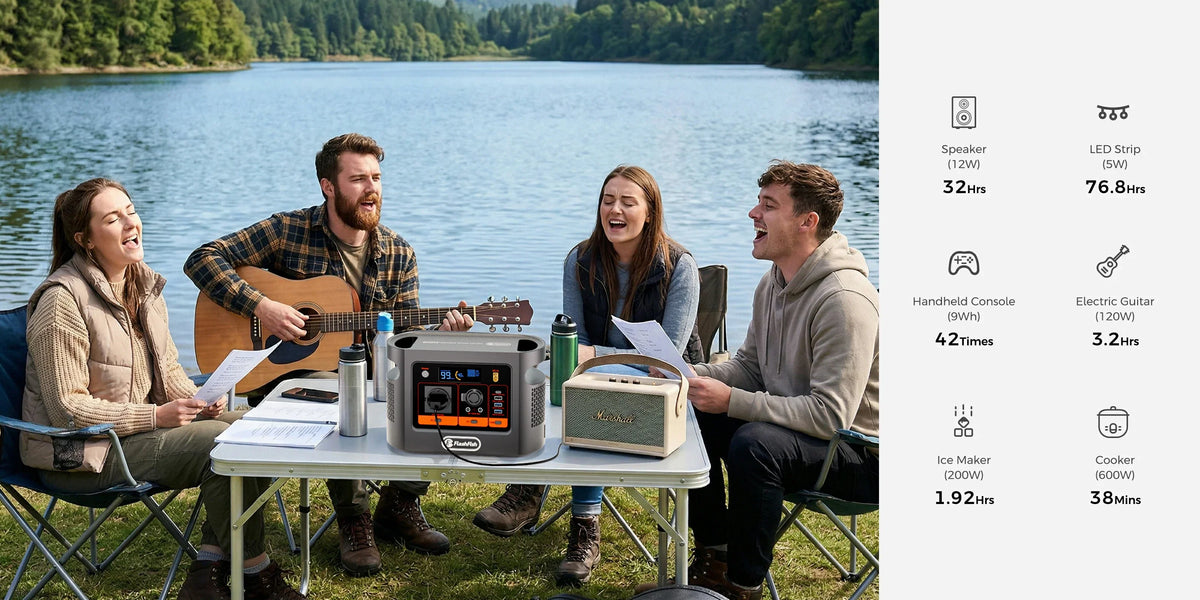
FlashFish A201 vs E106B for a Laptop and Small AC Gear
PATH-WATTS-CARRY starts with the device's actual power path, then checks continuous watts and missing fields before trading A201's lower carry mass against E106B's greater documented headroom.

FlashFish A201 vs E200 for Compact Portable Power
WAVE-PATH-CARRY keeps the shared 200W headline in context: document waveform needs, prove the device path and then trade A201's USB-C and lower mass against E200's known modified-sine boundary.
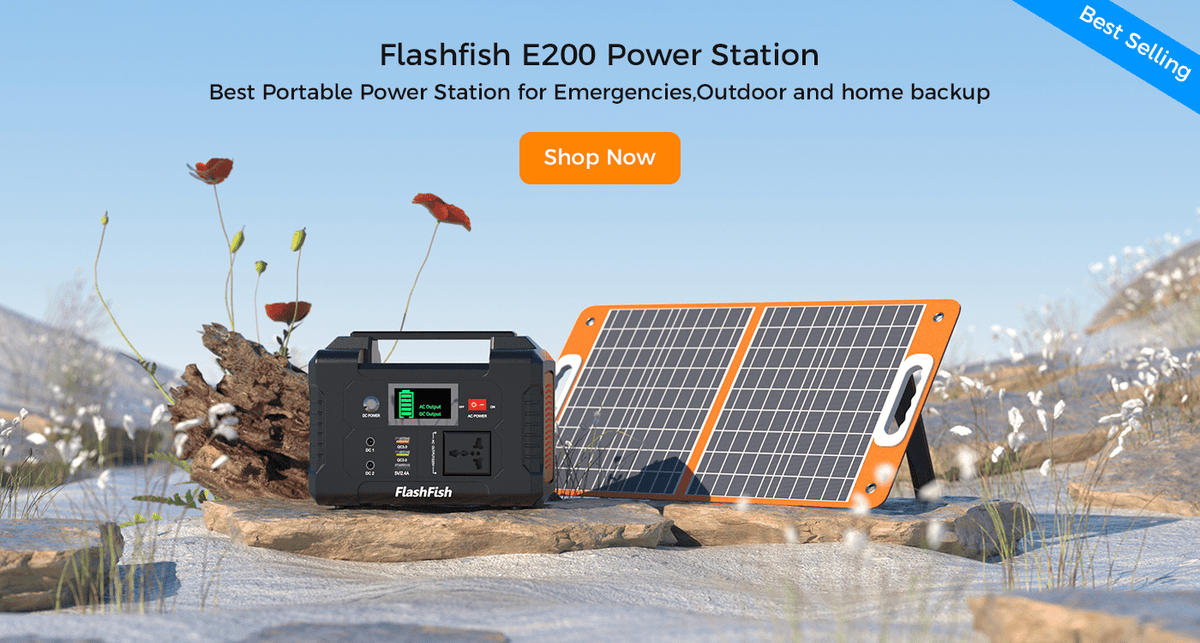
FlashFish E200 vs Jackery 100 Plus for Camera Charging
LENS starts with the existing camera kit rather than the product headline: list devices, establish the electrical path, compare nominal energy and carry, then stop on any protocol, waveform or docu...
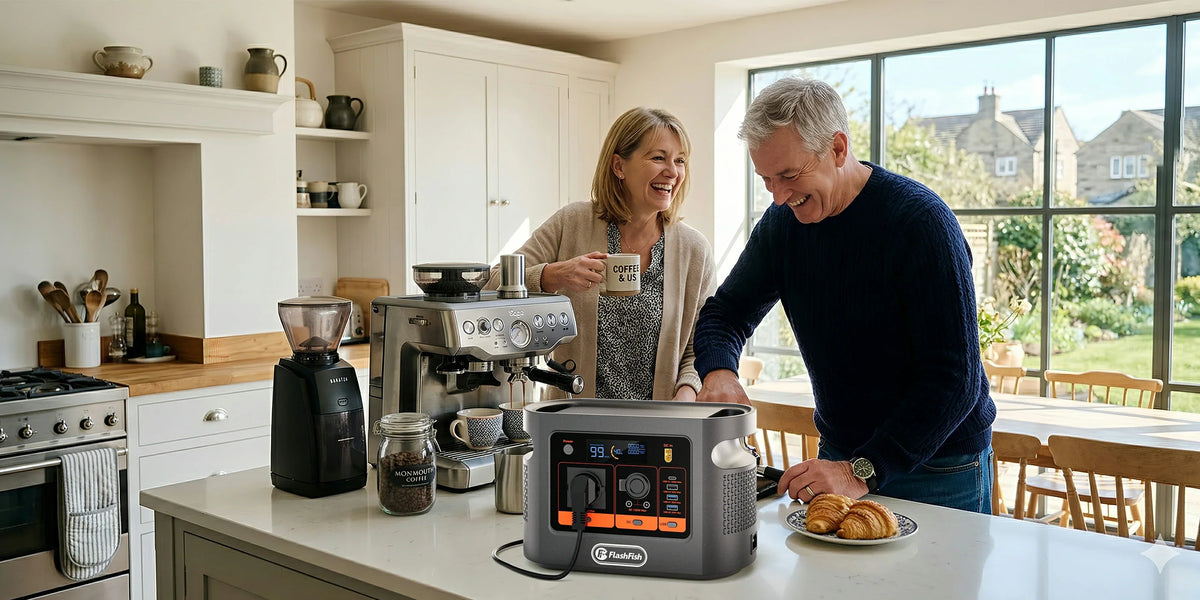
FlashFish E106B vs E200 for Outage Comms and Lights
For outage communications, the winning specification is not the largest watt number. CONTACT tests the full communications chain, output paths, night lighting, nominal energy, waveform, carry burde...